San Francisco's commercial real estate market is entering a new chapter, and early movers are already reaping rewards as the city's office-to-residential conversion wave accelerates. After years of elevated vacancy rates and deflated valuations, landlords with capital and foresight are discovering genuine opportunity in San Francisco's downtown core.
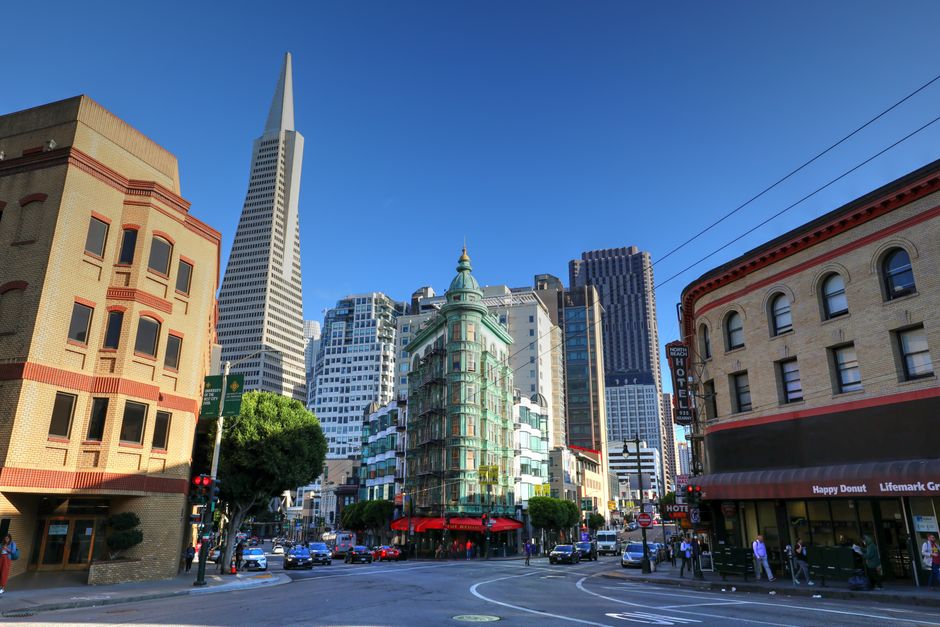
The shift is most visible along the Market Street corridor and in the Mid-Market neighborhood, where ground-floor retail vacancies and mid-rise office buildings—long anchors for only the most optimistic investors—are being repositioned. Mixed-use developers are leading the charge, particularly those with experience in California's adaptive reuse tax credit programs. Projects converting Class B and C office stock into residential units have moved beyond the drawing board, with several now in active construction phases.
Pricing dynamics tell the story. Downtown office space, which hovered near $40 per square foot annually in 2024, has stabilized as conversion economics improve. Developers converting office blocks to residential units benefit from lower acquisition costs compared to ground-up development, while residential rents in San Francisco remain resilient at $3,500 to $4,200 monthly for one-bedroom units. That spread—combined with state and federal tax incentives—makes the math work for experienced operators.
Property management firms specializing in mixed-use conversion are experiencing the biggest gains. Companies that can navigate the complexities of structural retrofitting, building code compliance, and neighborhood advocacy are seeing demand surge. CBRE and JLL have both expanded their adaptive reuse consulting teams locally, signaling institutional confidence in the trend's durability.
The South of Market district has emerged as a testing ground. While the Ferry Building waterfront remains a trophy asset, SOMA's warehouse-to-office inventory is increasingly attractive to residential converters. The same logic applies to portions of the Financial District, where older office towers are finding new life as apartments.
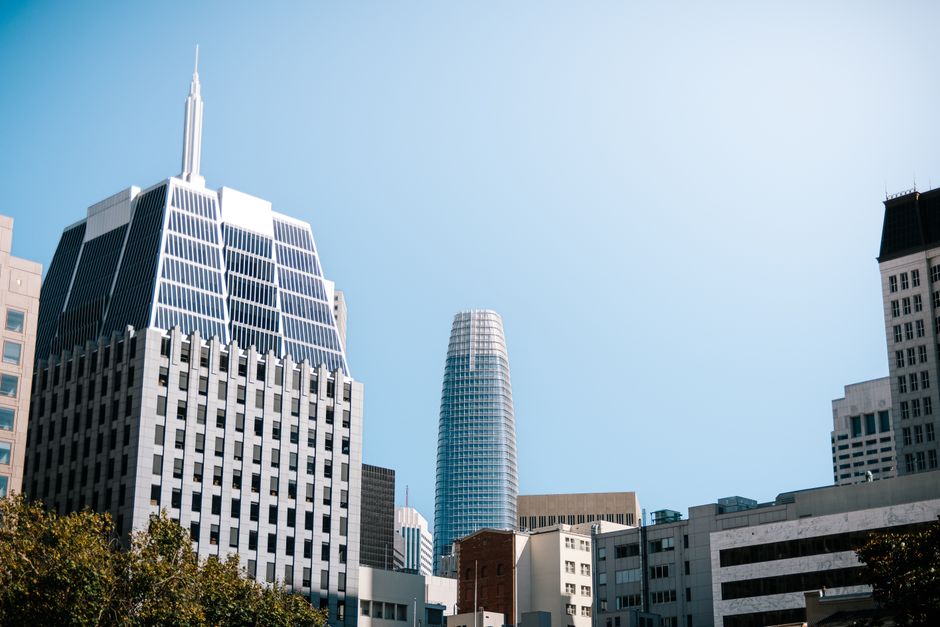
Not every landlord benefits equally. Those holding prime office real estate in premium locations—Salesforce Tower tenancy remains relatively strong—are less motivated to convert. The real opportunity exists in secondary locations where office fundamentals deteriorated most severely. That's where capital with patience and technical expertise is winning.
Local nonprofits focused on housing advocacy have cautiously welcomed the trend, noting that conversion projects add to the region's residential supply without requiring new land consumption. Affordability remains a separate challenge, though some projects incorporate below-market units.
As San Francisco's office market finds its floor, the conversion opportunity window remains open for investors willing to execute through complexity. The question for late-stage capital: whether today's window remains as favorable six months from now.
This article was compiled by AI from the sources linked above and screened before publishing. See our editorial standards.