San Francisco's Tourism Boom Is Reshaping Who Works Here—and How
As visitor numbers surge past pre-pandemic levels, the city's job market is being fundamentally redrawn by hospitality demand.
As visitor numbers surge past pre-pandemic levels, the city's job market is being fundamentally redrawn by hospitality demand.
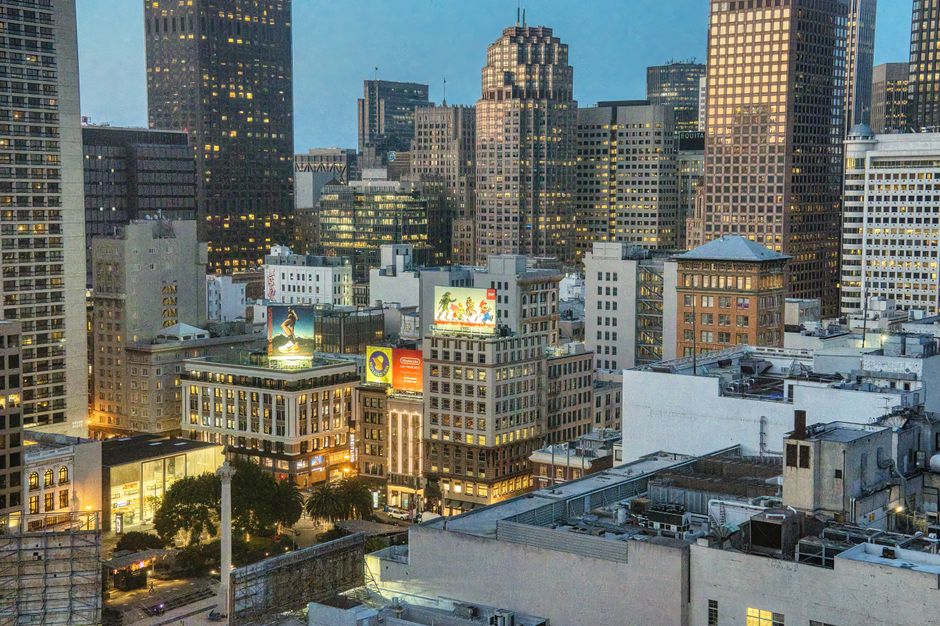
San Francisco's visitor economy is roaring back with force, and it's reshaping the local labor landscape in ways that ripple far beyond hotel front desks. With international tourism recovering to near 2019 levels and domestic travel exceeding expectations, the city is experiencing a talent realignment that's creating new pathways—and new tensions—in its employment ecosystem.
The numbers tell the story. Hotels along Market Street, from the Ferry Building to the Civic Center, are operating at occupancy rates above 85 percent for the first time since 2019. Major venues like the Moscone Center are booking conference calendars through 2027. Meanwhile, neighborhoods traditionally anchored by tech workers—the Mission District, SoMa, near the Ferry Building waterfront—are now seeing employment growth driven by tourism-adjacent services: restaurants, premium retail, event planning, and hospitality management.
This shift has created an unusual talent vacuum. Hotels are offering signing bonuses for experienced housekeeping staff and front-of-house managers, with some properties near Union Square reporting starting wages above $22 per hour plus benefits. Meanwhile, restaurants in popular tourist districts—from the Italian restaurants of North Beach to the contemporary dining scene in the Ferry Building marketplace—are competing fiercely for skilled servers and kitchen staff. Recruitment firms specializing in hospitality report their busiest year since 2015.
The impacts are visible across the city's neighborhoods. Hayes Valley, long known as a young professional hub, is seeing new hospitality-focused businesses open. The Tenderloin, historically marginalized, is experiencing a tentative economic revival through tourism infrastructure investments. Even the Embarcadero, where tech offices line the waterfront, is seeing increased foot traffic creating secondary job growth in retail and food service.
But the boom raises questions about San Francisco's economic future. Workers from other sectors—displaced from struggling retail or tech layoffs—are retooling for hospitality roles, suggesting a potential structural shift in the city's employment base. Some economists worry about wage sustainability if tourism-dependent jobs become the dominant growth driver in a city where living costs remain among the nation's highest.
The San Francisco Travel Association reports that visitor spending is projected to reach $12.5 billion annually by 2027, but whether that translates into stable, family-sustaining careers for residents remains an open question. What's clear is this: the city's job market is no longer primarily defined by tech campuses and startups. It's increasingly shaped by who shows up to experience San Francisco as a destination.
This article was compiled by AI from the sources linked above and screened before publishing. See our editorial standards.
How does this story make you feel?
Spread the word
About this article
Published by The Daily San Francisco
Daily brief
Free, in your inbox before 7am. Weekdays.
More in Business