If you've noticed your morning coffee on Valencia Street now costs $6.50 instead of $5.75, or that the Mission District's beloved taqueria raised prices this spring, you're not imagining things. San Francisco's retail hospitality and food sectors are navigating a complex economic moment that everyday residents should understand—because it's changing where we eat, how much we pay, and which neighborhood spots survive.
The core issue: labor costs continue climbing. San Francisco's minimum wage stands at $20.32 per hour, among the nation's highest, and many hospitality workers are demanding wage increases that track with the Bay Area's cost of living. A report from the San Francisco Travel Association earlier this year indicated that food service establishments are absorbing roughly 28 percent higher payroll costs compared to 2021. Restaurant owners aren't hiding this math—they're passing it to consumers.
But wages aren't the only pressure. Supply chain volatility persists. Produce distributors serving establishments from the Ferry Building's vendors to neighborhood spots in the Richmond District report inconsistent pricing for staples. Olive oil, protein, and specialty ingredients that fuel San Francisco's celebrated food scene fluctuate monthly. This unpredictability makes it nearly impossible for smaller operators to lock in fixed menu prices.
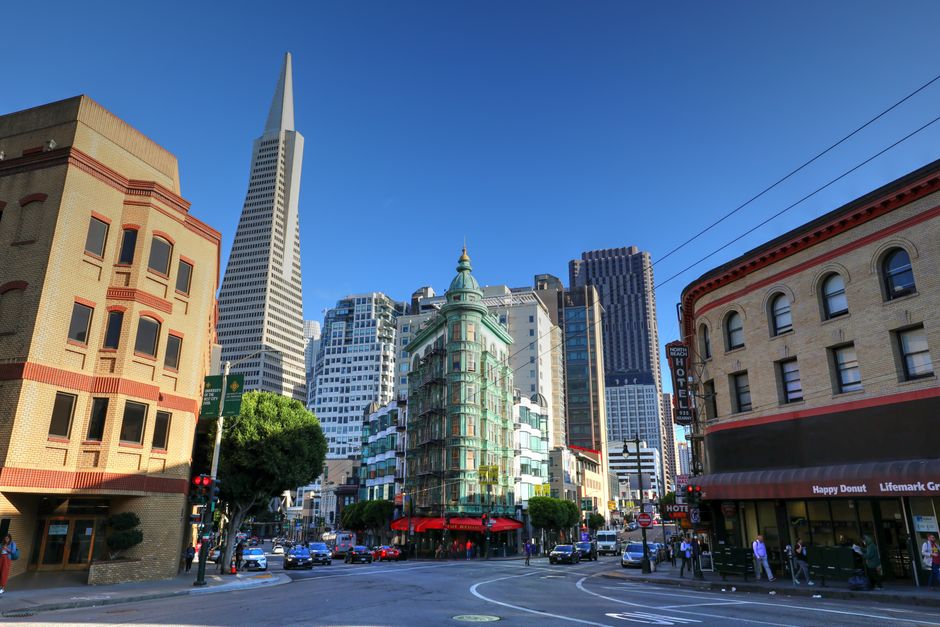
Meanwhile, foot traffic patterns have fundamentally shifted. Downtown corridors around the Financial District and Market Street remain softer than pre-pandemic levels as remote work persists. Hotels in SoMa and near Union Square report occupancy hovering around 82 percent—respectable but not robust. This affects not just hotels themselves, but the restaurants and bars that depend on tourist and business traveler spending. Neighborhood spots on Fillmore Street, in the Mission, and along Irving Street in the Sunset are compensating by building stronger local customer bases, but it's a slower revenue model.
The consolidation is real. Independent operators are increasingly selling to larger hospitality groups. Small cocktail bars and family-run restaurants that have anchored neighborhoods for decades face existential pressure. Meanwhile, chains and established brands with capital reserves weather storms more easily, gradually shifting San Francisco's dining character.
For everyday residents: expect higher prices and smaller menus at independent venues. Quality hasn't necessarily declined, but value perception has shifted. Strategic diners are discovering that brunch crowds are lighter on weekday mornings, prices often reflect these quieter times, and neighborhood spots appreciate consistent local support. The food industry isn't collapsing—it's reorganizing around who can afford to stay and who can't.
This article was compiled by AI from the sources linked above and screened before publishing. See our editorial standards.