San Francisco's Office Rebound: Which Landlords and Developers Are Cashing In
After years of remote work exodus, select commercial property owners are capturing outsized gains as major corporations return to the city.
After years of remote work exodus, select commercial property owners are capturing outsized gains as major corporations return to the city.
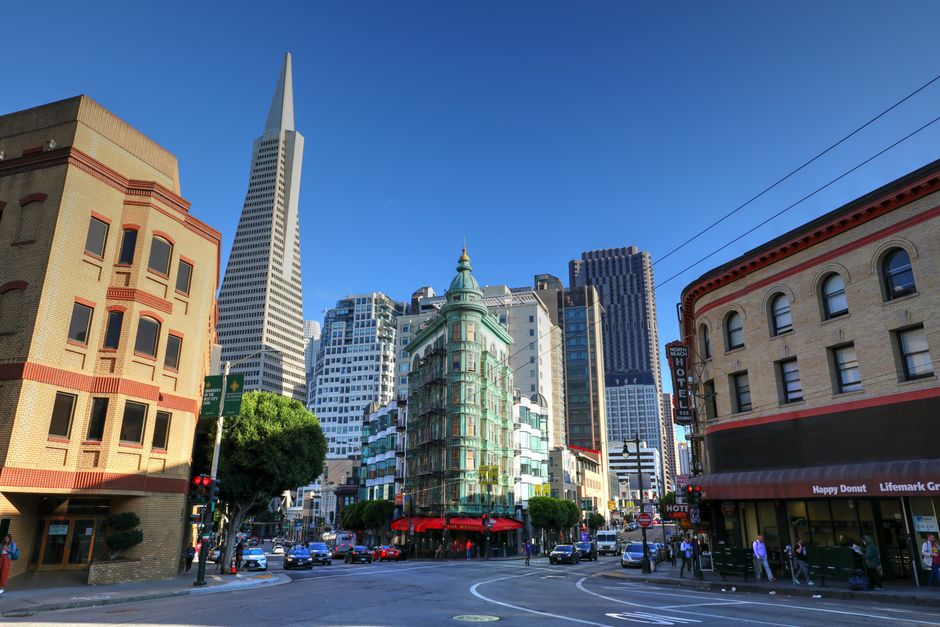
San Francisco's commercial real estate market, long haunted by pandemic-era flight and tech layoffs, is experiencing a selective but genuine rebound—and early movers are seeing remarkable returns on repositioned assets.
The shift is most visible along Market Street and in the Financial District, where Class A office space has tightened considerably since late 2024. Average asking rents for premium downtown office have climbed to $58 per square foot annually, up nearly 12 percent from the pandemic lows of 2023. But the recovery is far from uniform. Landlords who invested in modernizing aging buildings—particularly those adding flexible floor plans and amenity-rich common areas—are commanding premium rates and attracting long-term leases from financial services firms and professional service companies.
The beneficiaries are increasingly sophisticated property owners willing to absorb renovation costs upfront. Several mid-market developers who acquired distressed assets in South of Market during 2022-2023 are now seeing occupancy rates exceed 85 percent, compared to the citywide average of roughly 76 percent. One building on Harrison Street, purchased for a reported $18 million in early 2024, recently signed a major law firm to a five-year lease at rates suggesting a valuation increase exceeding 30 percent.
Beyond downtown, the emerging opportunity lies in adaptive conversion. With residential development costs climbing and tech companies selectively rehiring, several property owners are eyeing mixed-use transformations in neighborhoods like South Beach and the Dogpatch, areas that suffered from office oversupply but possess strong residential demand fundamentals. Early entrants who can navigate zoning and secure financing are positioning themselves ahead of a likely wave of conversion activity.
The talent return is real but targeted. Finance, legal services, and healthcare companies are leading lease signings, while traditional tech tenancy remains subdued. This segmentation is creating winners and losers: landlords with space suited to finance and professional services are thriving, while those with heavy tech exposure face continued pressure.
Investors watching from the sidelines should note: the window for distressed acquisitions is narrowing. As confidence returns, asset prices are rising sharply, particularly for well-located trophy buildings. Those who moved decisively between 2023 and early 2026—when pessimism peaked and pricing reflected worst-case scenarios—have already locked in substantial gains. The next phase will reward those repositioning secondary assets and betting on neighborhood-level recovery outside the traditional financial core.
For San Francisco's real estate market, that's welcome news after years of decline. For shrewd investors, the real opportunity may already be closing.
This article was compiled by AI from the sources linked above and screened before publishing. See our editorial standards.
How does this story make you feel?
Spread the word
About this article
Published by The Daily San Francisco
Daily brief
Free, in your inbox before 7am. Weekdays.
More in Business