From Food Cart to Mission Icon: How Gabriela Sandoval Built a Hospitality Empire in San Francisco
The restaurateur's evolution from street vendor to multi-venue operator reflects broader shifts in how the city's food industry is bouncing back.
The restaurateur's evolution from street vendor to multi-venue operator reflects broader shifts in how the city's food industry is bouncing back.
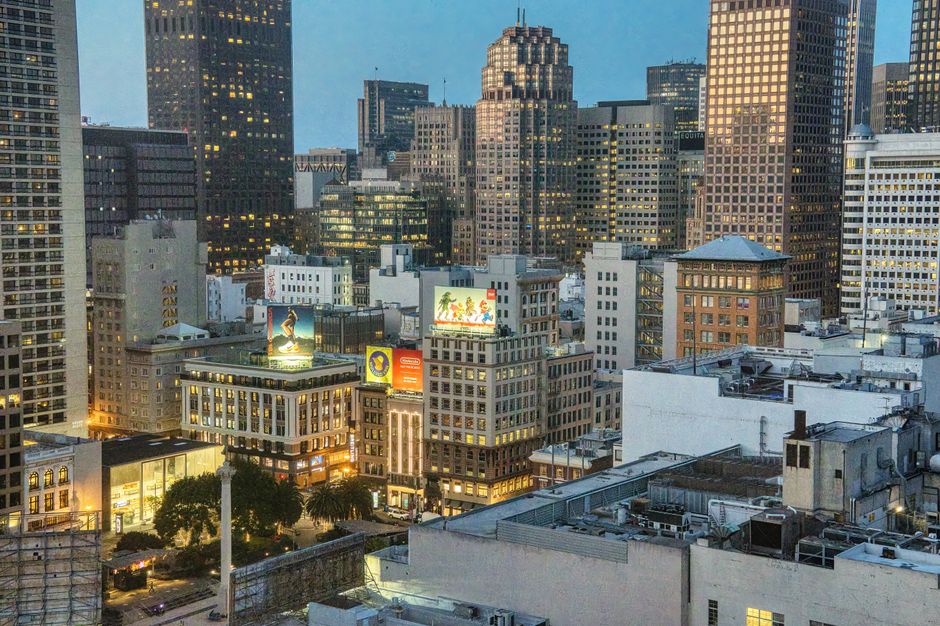
On a warm Tuesday evening, the outdoor patio at Sandoval's newest venture on Valencia Street in the Mission District thrums with the kind of energy that has become increasingly rare in San Francisco's hospitality sector. The restaurant, which opened in April, is part of a broader portfolio that demonstrates how one entrepreneur is quietly reshaping the city's food landscape in 2026.
What began twelve years ago as a single cart dispensing pupusas near the BART station at 16th and Mission has evolved into a four-location operation that employs over 60 people and generates estimated annual revenue exceeding $4.2 million. The expansion comes at a time when San Francisco's restaurant sector has stabilized after years of uncertainty, with the National Restaurant Association reporting that city-wide food service employment has recovered to pre-pandemic levels for the first time since 2019.
The latest location—a 2,400-square-foot sit-down restaurant offering traditional Central American cuisine alongside California-inflected small plates—represents a calculated gamble. Commercial rent in the Mission now averages $6.50 per square foot monthly, according to commercial real estate firm CBRE, requiring operators to generate significant volume to remain viable. Yet Sandoval's track record suggests confidence in the neighborhood's continued appeal.
What sets this operation apart, according to industry observers, is its focus on workforce retention during a period of acute labor shortages. The organization maintains wages 18 percent above San Francisco's minimum wage and provides health insurance to all full-time employees—a rarity in the hospitality sector, where margins typically run between 3 and 9 percent.
The growth also reflects broader demographic and consumer trends. San Francisco's return-to-office mandates have stabilized daytime foot traffic in the downtown and surrounding neighborhoods, while the city's Latin American population—now constituting roughly 15 percent of residents—has created sustained demand for authentic regional cuisine.
The existing locations include two additional Valencia Street establishments specializing in casual breakfast and lunch service, and a catering operation in the SoMa district that serves corporate clients from nearby tech offices. Each venue maintains distinct positioning while sharing operational infrastructure.
For a city that watched hundreds of restaurants shutter between 2020 and 2023, Sandoval's expansion signals something meaningful: that authentic, locally-rooted hospitality businesses can still thrive here, provided they navigate labor costs, real estate pressures, and changing consumer preferences with precision and purpose.
This article was compiled by AI from the sources linked above and screened before publishing. See our editorial standards.
How does this story make you feel?
Spread the word
About this article
Published by The Daily San Francisco
Daily brief
Free, in your inbox before 7am. Weekdays.
More in Business