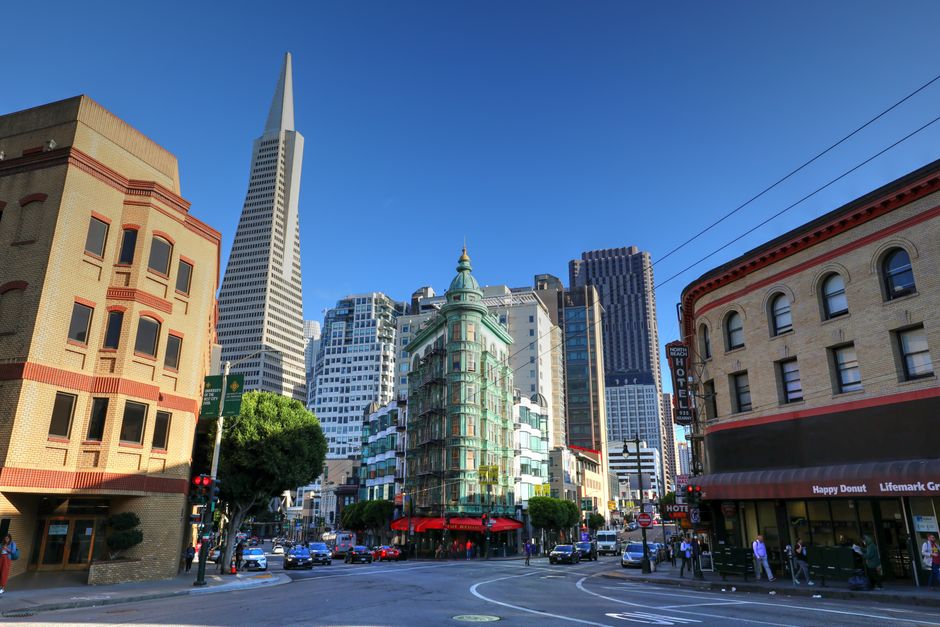
The Great Exodus: How Rising Housing Costs Are Reshaping San Francisco's Job Market
As affordability crisis deepens, major employers face talent drain and shifting recruitment strategies in the Bay Area's most competitive sector.
As affordability crisis deepens, major employers face talent drain and shifting recruitment strategies in the Bay Area's most competitive sector.
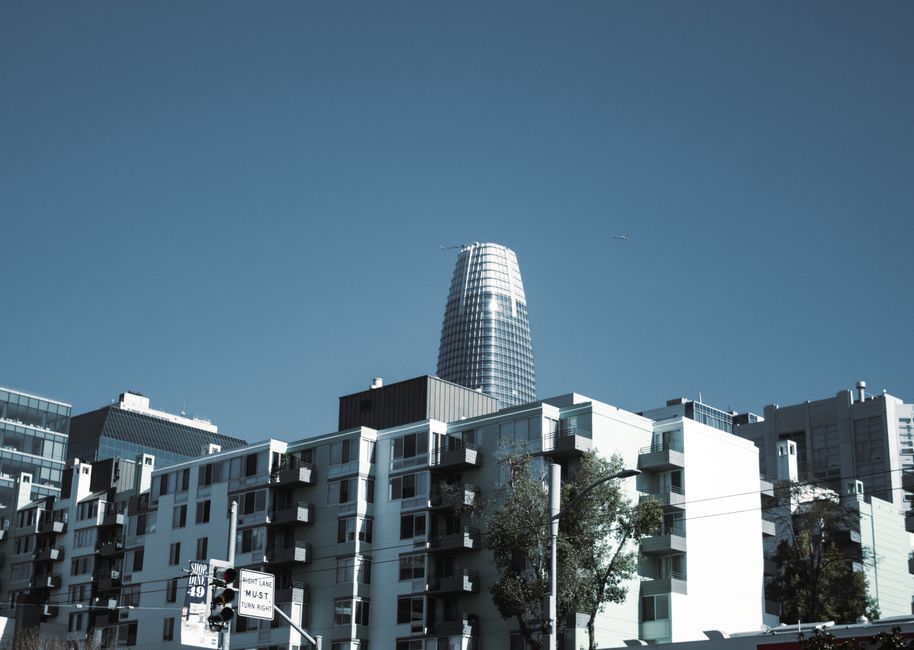
The numbers tell a stark story. A one-bedroom apartment in the Mission District now averages $3,200 monthly—up 18 percent since 2024. In South of Market, where tech companies cluster their offices, entry-level engineers earning $120,000 annually find themselves priced out of neighborhoods within reasonable commute distance. The result is reshaping San Francisco's employment landscape in ways company leaders are only beginning to grapple with.
"We're seeing candidates decline offers they once would have jumped at," explains a hiring manager at a major financial services firm headquartered near the Ferry Building. "The salary math simply doesn't work anymore when housing consumes 60 or 70 percent of take-home pay." Across downtown corridors and along the Embarcadero, similar conversations are happening in corner offices.
The talent flight is real. According to Bay Area business surveys, approximately 35 percent of mid-career professionals who left San Francisco since 2024 cited cost of living as their primary reason—outpacing remote-work flexibility as a factor. Many are relocating to Sacramento, Austin, or establishing themselves in secondary markets while maintaining Bay Area salaries through hybrid arrangements.
Companies are responding with structural changes. Some have shifted their primary hiring focus to Oakland and the East Bay, offering shuttle services and flexible scheduling to compensate for longer commutes. Others are accelerating remote-first hiring, expanding talent pools nationally and internationally. A handful of larger firms have explicitly raised base salaries for San Francisco positions—effectively accepting lower profit margins to retain institutional knowledge.
The secondary effects are already visible. Neighborhoods like the Dogpatch and Potrero Hill, once bedroom communities for mid-level workers, are seeing faster gentrification as only senior employees and those with dual incomes remain. Commercial real estate on Market Street and in SoMa shows softening demand as companies reduce headcount or consolidate office space.
Real estate economists note the cruel paradox: employers compete for talent by offering higher compensation, which landlords immediately capture through rent increases, creating a self-reinforcing cycle. The San Francisco Chamber of Commerce has warned that without policy intervention—more housing supply, zoning reform—the city risks becoming a headquarters-only economy of senior executives and specialized workers, hollowing out the middle-class professional base that once defined the region.
For now, San Francisco remains a global financial center. But the machinery sustaining that position—its ability to attract and retain diverse talent—is grinding against constraints that even record corporate profits cannot fully overcome.
This article was compiled by AI from the sources linked above and screened before publishing. See our editorial standards.
How does this story make you feel?
Spread the word
About this article
Published by The Daily San Francisco
Daily brief
Free, in your inbox before 7am. Weekdays.
More in Business