San Francisco's Office-to-Housing Pivot: Market Trends Every Business Leader Must Track Now
As downtown vacancy rates hit 30%, the commercial real estate reset is reshaping investment calculus across the Bay Area.
As downtown vacancy rates hit 30%, the commercial real estate reset is reshaping investment calculus across the Bay Area.
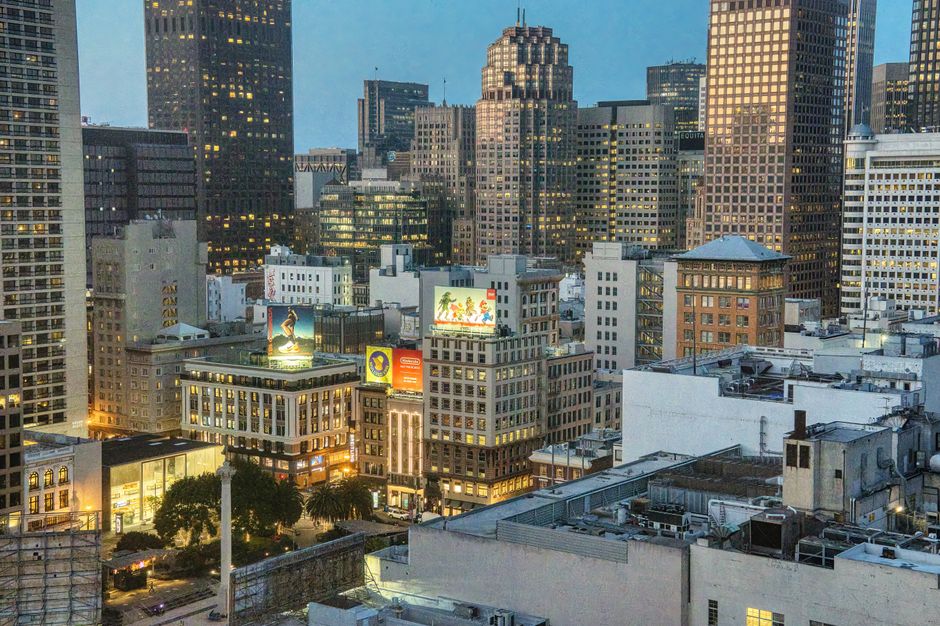
San Francisco's commercial real estate market is undergoing a fundamental transformation that's forcing every business—from startups in SOMA to established firms along the Embarcadero—to recalibrate their real estate strategies and capital allocation priorities.
The numbers tell a stark story. Downtown office vacancy rates have climbed to approximately 30%, the highest in decades, while conversion projects from Market Street to South Beach are finally gaining momentum. Yet this transition isn't uniformly bullish. Class A office space remains under pressure, with leasing spreads widening as tenants demand concessions averaging 15-20% of asking prices. Meanwhile, residential conversions are reshaping the economic equation for property owners and investors who held commercial assets expecting traditional office recoveries.
For businesses planning real estate decisions, the playbook has shifted dramatically. Companies evaluating San Francisco headquarters locations should expect leverage in negotiations that simply didn't exist three years ago. A prime location on California Street or near the Ferry Building offers negotiating advantages that savvy CFOs are exploiting. However, the cost of living crisis for employees—median rent for a one-bedroom apartment in the Mission District hovers near $3,200 monthly—is creating offsetting pressures that offices can't ignore when calculating total compensation strategies.
Investment capital is flowing toward adaptive reuse plays. Projects converting underutilized office blocks in neighborhoods like the Financial District and Lower Market Street into mixed-use developments are attracting institutional interest. But execution risk remains substantial. Zoning complexities and construction cost inflation—running 8-12% annually for Bay Area projects—mean only well-capitalized investors can absorb extended timelines.
The hospitality sector presents a secondary angle worth monitoring. Hotel occupancy has recovered steadily, buoyed by leisure travel and conference activity returning to venues like the Moscone Center. Yet operating margins remain compressed by labor cost pressures that San Francisco's wage requirements amplify.
Retail presents the most nuanced picture. While Union Street and Fillmore Street show relative resilience for established brands, smaller independent operators continue facing margin compression. E-commerce headwinds and foot traffic volatility mean retail leasing remains a cautious game played by disciplined operators only.
The bottom line for businesses navigating mid-2026: leverage is available for well-informed negotiators, but capital discipline and longer-term scenario planning are non-negotiable. The old playbook—expecting steady appreciation and long-term lease stability—has expired. Success requires adaptive strategies grounded in real-time market dynamics rather than historical patterns.
This article was compiled by AI from the sources linked above and screened before publishing. See our editorial standards.
How does this story make you feel?
Spread the word
About this article
Published by The Daily San Francisco
Daily brief
Free, in your inbox before 7am. Weekdays.
More in Business