San Francisco's office market is experiencing a quiet but significant shift. After six years of seismic disruption, the city's commercial real estate sector is settling into a new equilibrium that demands attention from businesses planning their next move.
The numbers tell a stabilizing story. Vacancy rates in downtown's Financial District have plateaued around 23-25%, down from pandemic peaks of nearly 30 percent. Meanwhile, asking rents on Market Street and in SOMA have stabilized at roughly $65-75 per square foot annually—substantially below pre-2020 levels but no longer in free fall. This matters enormously for companies deciding whether to expand, contract, or relocate within the Bay Area.
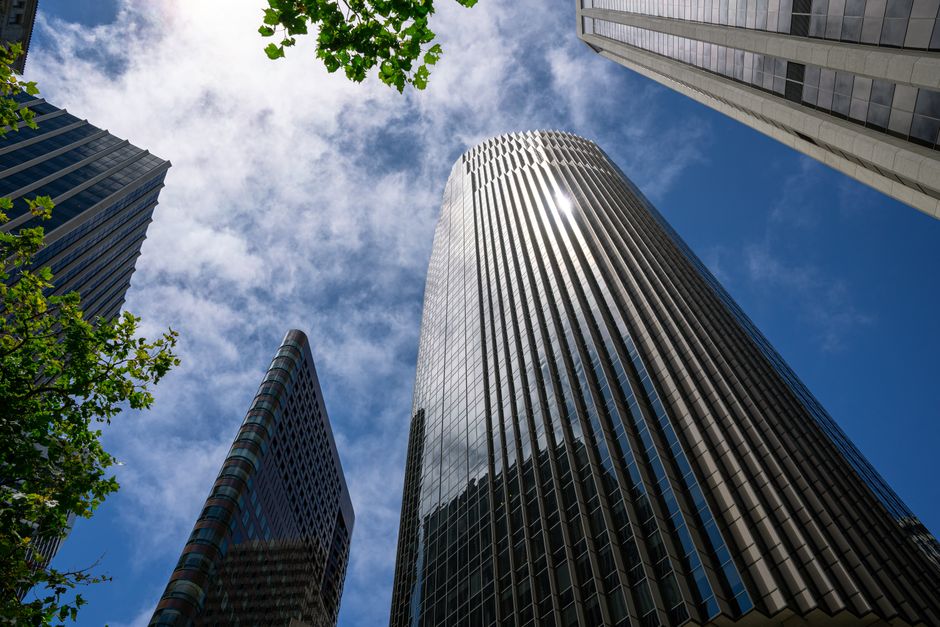
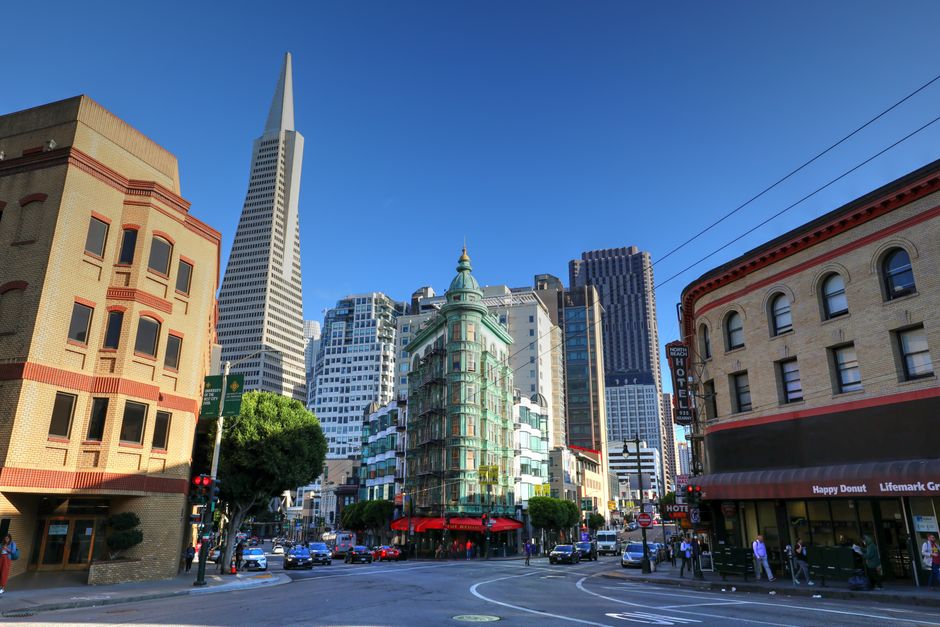
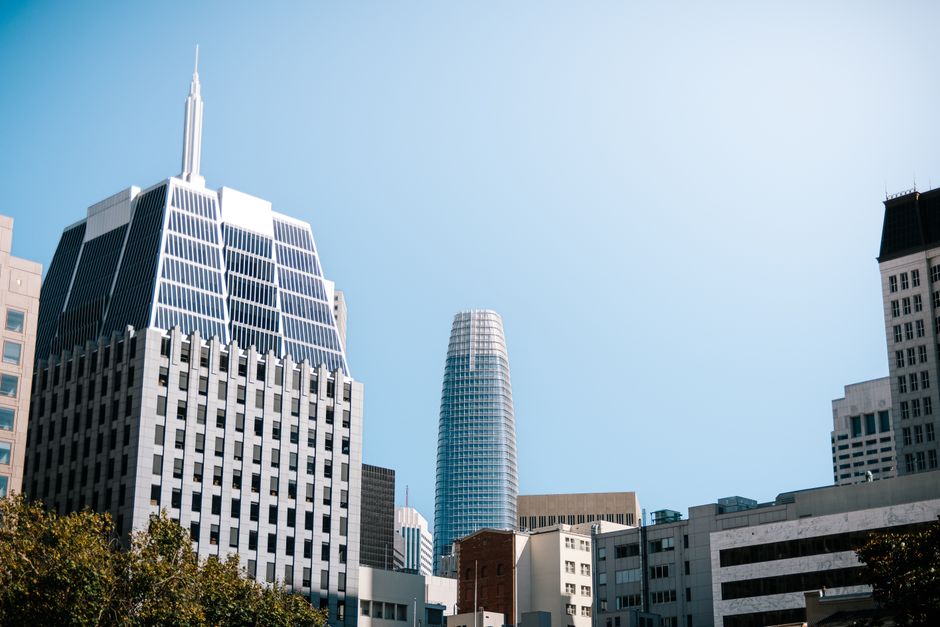
The market's character has fundamentally changed. Class A office towers—particularly those on Montgomery Street and in the Embarcadero—command premiums for their modernized infrastructure and location advantages. Older buildings in the mid-Market corridor, by contrast, are undergoing intensive repositioning. Several blocks around 9th and Market Street have seen creative adaptive use, with tech companies, media firms, and design studios converting traditional office space into hybrid environments with generous collaboration areas and superior broadband connectivity.
What should businesses know as they make real estate decisions? First, landlord concessions remain generous. Tenant improvement allowances of $50-60 per square foot are standard for multi-year leases, significantly easing buildout costs. Second, flexibility is now the commodity. Companies securing shorter lease terms or negotiating expansion options are finding better financial terms than those committing to rigid, long-term agreements. Third, location premium has returned—proximity to BART stations and the Ferry Building continues to command higher rents and attract quality tenants faster.
The geographic split is pronounced. While the Financial District stabilizes, neighborhoods like the Mission Bay area near UCSF continue absorbing life sciences and biotech companies seeking modern, purpose-built facilities. Meanwhile, the Presidio remains an emerging frontier for remote-first companies wanting prestige addresses with lower per-square-foot costs.
Industry dynamics matter too. Law firms and financial services—historically downtown anchors—are embracing smaller footprints. Technology companies, once the voracious space-consumers, are now deliberate, focusing on fewer but strategically located hubs. This shift is reshaping which neighborhoods thrive and which struggle.
For businesses evaluating their next move, the message is clear: the San Francisco office market is no longer in crisis mode, but it's not returning to pre-pandemic patterns either. The winners will be those who view this moment as an opportunity to right-size operations, negotiate favorable terms, and position themselves in neighborhoods experiencing genuine momentum.
This article was compiled by AI from the sources linked above and screened before publishing. See our editorial standards.