San Francisco's downtown office market is staring down a confluence of headwinds that threatens to reshape the city's commercial landscape. With vacancy rates hovering near 30 percent—nearly triple the pre-pandemic norm—landlords, brokers, and property owners are grappling with a sector in structural decline that shows little sign of near-term recovery.
The numbers tell a sobering story. Class A office space in the Financial District and South of Market, traditionally the city's most coveted real estate, has seen asking rents compress by roughly 15 percent year-over-year as tenants either shrink their footprint or decamp entirely. Meanwhile, properties on Market Street and in the Mid-Market corridor remain stubbornly vacant, their once-premium positioning no longer commanding premium prices.
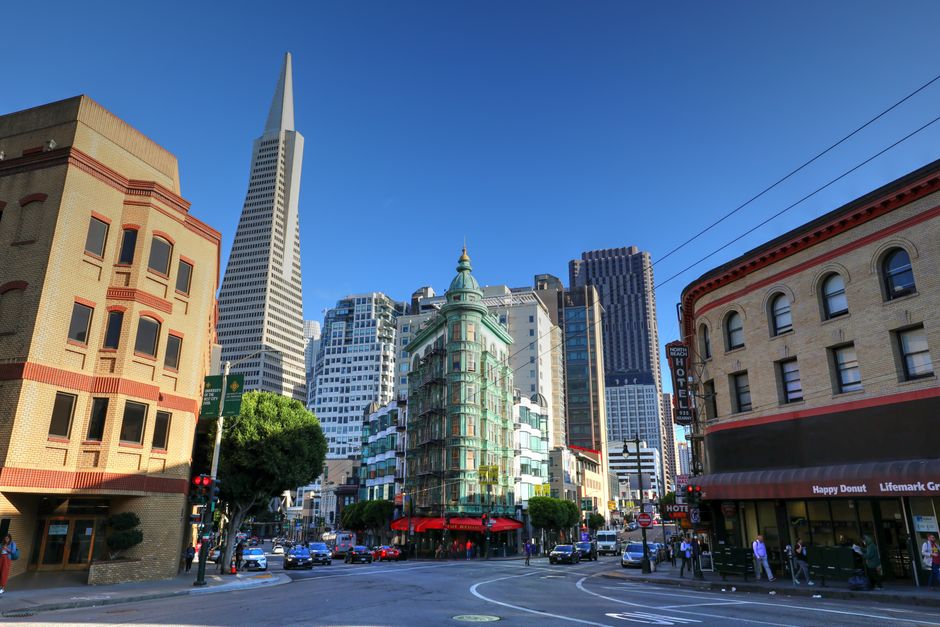
"The fundamentals have shifted permanently," says the broader sentiment among commercial real estate professionals. Major corporations—from tech giants to established financial services firms—have normalized remote and hybrid work arrangements, eliminating the need for sprawling open-plan offices that dominated the pre-2020 era. Companies that once leased multiple floors across the Transamerica Pyramid or 555 Market Street have consolidated operations or relocated to less expensive markets.
The refinancing crisis compounds the problem. Properties purchased at peak valuations in 2018-2019 now face maturity dates with underwater loan balances. Distressed sales have begun trickling through the market, signaling potential capitulation from some landlords. The San Francisco Office Market Report shows commercial property values have declined an estimated 35 to 40 percent from their 2019 highs.
Conversion presents one glimmer of hope. The city's recently streamlined adaptive reuse programs have begun transforming vacant office towers into residential units, particularly in neighborhoods like the Financial District and SOMA. Yet the economics remain challenging, with construction costs and regulatory hurdles making conversion projects pencil out only with substantial public subsidies or development incentives.
Investor appetite, meanwhile, has evaporated. Institutional capital that once flocked to San Francisco real estate has redirected toward secondary markets with stronger fundamentals, younger tenant bases, and lower carrying costs. Life insurance companies and pension funds—historically reliable sources of long-term capital—have largely stepped back from the Bay Area office sector.
For landlords and property owners, the road ahead demands difficult choices: aggressive repositioning, accepting lower rents to minimize vacancy, or joining the growing roster of distressed asset holders. Without a meaningful rebound in office-using employment or a reversal in remote work trends, San Francisco's commercial property sector faces years of adjustment ahead.
This article was compiled by AI from the sources linked above and screened before publishing. See our editorial standards.