From Mission District Garage to Bay Area Tech Hub: How One Founder Built a Model Employer
As San Francisco grapples with talent retention and wage pressures, a homegrown software startup is proving there's a blueprint for sustainable growth.
As San Francisco grapples with talent retention and wage pressures, a homegrown software startup is proving there's a blueprint for sustainable growth.
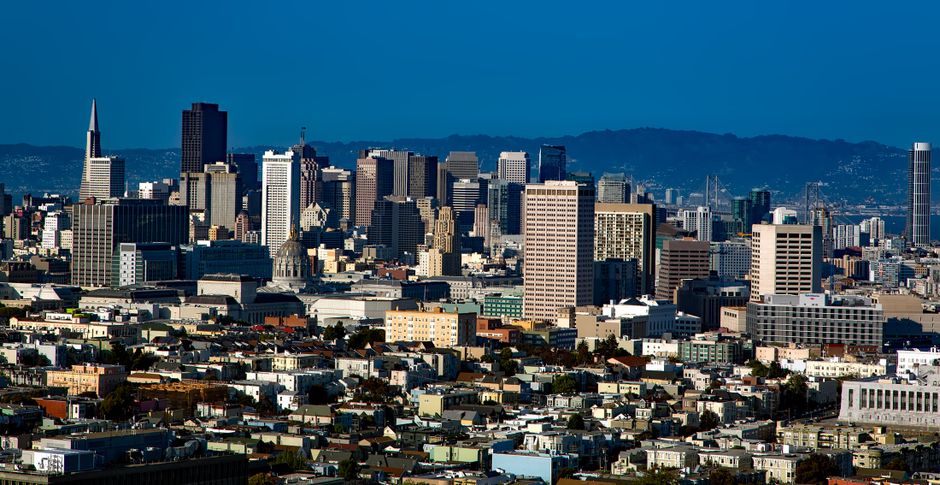
Walking into the converted warehouse on Valencia Street in the Mission District, you'd be forgiven for thinking you've stepped into a startup cliché—open floor plan, exposed brick, a kitchen stocked with craft coffee. But what sets apart this particular operation is what's happened beneath the surface: consistent hiring during an economically volatile period, with median salaries hovering around $145,000 for mid-level engineers, above the Bay Area average of $138,000 according to recent Blind salary surveys.
The company, which has grown from eight employees in 2023 to 127 today, represents a contrarian approach to hiring in a region where tech layoffs have claimed over 80,000 jobs since 2022. Rather than chasing venture capital's feast-or-famine cycle, founder and CEO has built a bootstrapped operation focused on profitability and employee retention—metrics that have drawn attention from workforce development organizations across the Bay.
"The market's taught us something important," the founder explained, gesturing toward the sprawling workspace. "Cheap hiring is expensive firing."
That philosophy shows in the numbers. Employee turnover at the firm sits at 8 percent annually, compared to the tech industry average of 13.2 percent. The company offers fully-covered health insurance, unlimited paid time off, and a commitment to remote-flexible work that has allowed it to tap talent beyond the Bay Area's notoriously expensive real estate market.
The timing couldn't be more relevant. San Francisco's unemployment rate stands at 3.1 percent as of May 2026, but the quality of job creation remains uneven. While downtown office vacancy rates have stabilized around 24 percent—down from pandemic peaks—hiring has concentrated in specific sectors, leaving middle-skilled workers competing for positions in customer service and logistics rather than knowledge work.
What's notable about this particular success story is its deliberate rejection of hypergrowth. Unlike the venture-backed startups that once defined San Francisco's economy, this company targets sustainable 25-30 percent annual growth, reinvesting profits into staff development and benefits rather than shareholder returns or aggressive expansion.
The model hasn't gone unnoticed. The San Francisco Chamber of Commerce recently featured the operation in its quarterly business report, and workforce training organizations have begun using their approach as a case study for sustainable hiring practices.
As the Bay Area continues navigating post-pandemic economic realities, examples like this one suggest the region's next chapter might be written not by unicorn hunters, but by founders willing to prioritize stability over spectacle.
This article was compiled by AI from the sources linked above and screened before publishing. See our editorial standards.
How does this story make you feel?
Spread the word
About this article
Published by The Daily San Francisco
Daily brief
Free, in your inbox before 7am. Weekdays.
More in Business