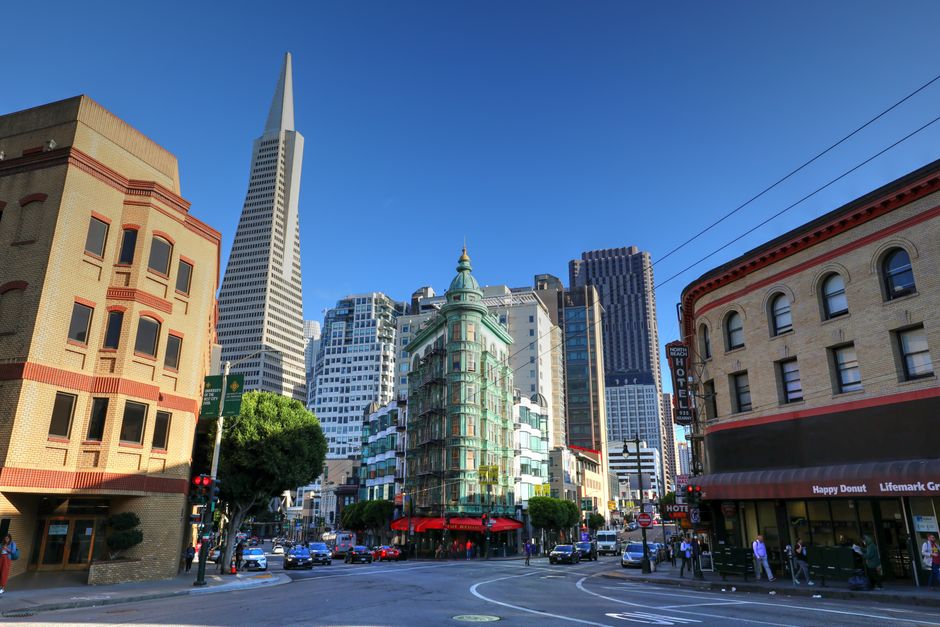
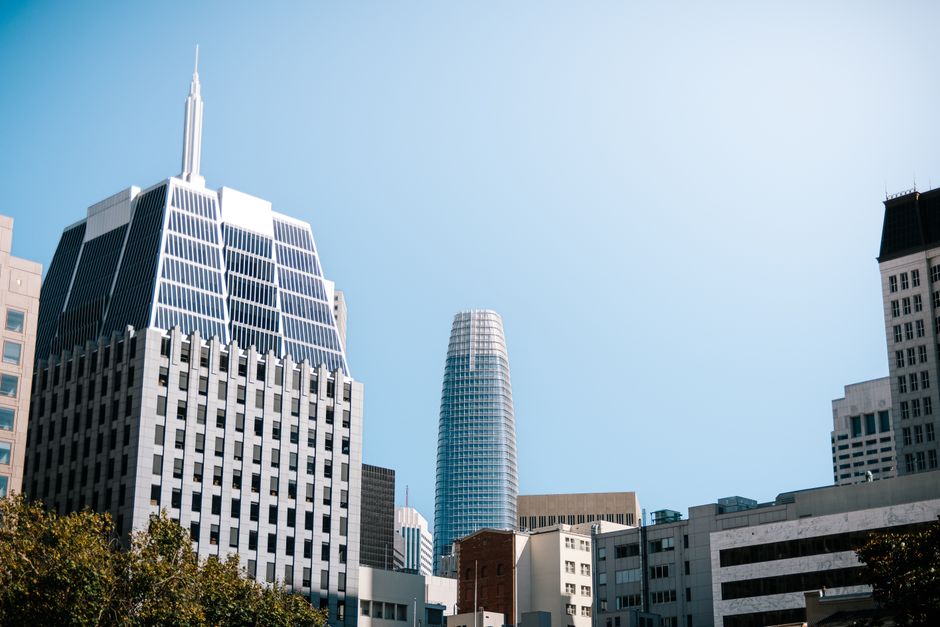
The ferry building thrums with activity on a Tuesday morning in late June, a scene that would have felt impossible just three years ago. Tour groups navigate Fisherman's Wharf while rideshare drivers queue along the Embarcadero, and hotels from Union Square to the Marina report occupancy rates hovering near 85 percent. San Francisco's tourism economy is roaring back—and it's quietly reshaping the city's entire labor market in ways that extend far beyond hospitality.
Visitor spending topped $8.2 billion last year, approaching pre-2020 levels, according to San Francisco Travel Association data. That recovery has turbocharged demand for hospitality workers, from housekeeping staff at the Fairmont Heritage properties to sous chefs at acclaimed restaurants clustered around Hayes Valley and the Mission District. But here's what's surprising traditional employers: they're losing talent to the sector.
Tech companies, nonprofits, and professional service firms across the city are reporting increased difficulty retaining mid-level employees, particularly those in entry-to-mid career stages. Exit interviews increasingly cite hospitality sector opportunities—positions that offer flexible scheduling, immediate hire bonuses, and tips that can exceed base salaries.
"We've seen a meaningful uptick in people leaving administrative and operations roles to work front-of-house positions," said a spokesperson for a major San Francisco nonprofit, requesting anonymity. "The financial calculus has genuinely shifted."
The shift is most visible in neighborhoods like SOMA and the Financial District, where commercial office vacancy remains stubbornly high. Hotels and restaurants have become more competitive employers, offering signing bonuses as high as $3,000 for experienced servers and housekeeping supervisors—bonuses that can match quarterly performance incentives in other sectors.
This talent realignment carries second-order consequences. Professional firms are raising wages for support staff, tech startups are offering remote flexibility to retain workers, and restaurants themselves face staffing instability as hospitality workers cycle between establishments chasing better opportunities.
The tension also reflects deeper demographic shifts. Younger workers, particularly those priced out of Bay Area housing, increasingly view hospitality roles as sustainable income sources rather than stepping stones. Meanwhile, an aging population in outer neighborhoods like Sunset and Richmond has reduced the traditional pipeline of part-time hospitality workers.
San Francisco's tourism recovery is undeniably positive for the broader economy. But the city's business community—from established law firms on Market Street to tech accelerators in SOMA—is discovering that a thriving visitor economy reshapes the entire employment picture, not just the hotels and restaurants that directly benefit.
This article was compiled by AI from the sources linked above and screened before publishing. See our editorial standards.