What San Francisco Residents Really Need to Know About the City's Startup Boom
From housing costs to street safety, here's how the tech innovation ecosystem is reshaping daily life in your neighborhood.
From housing costs to street safety, here's how the tech innovation ecosystem is reshaping daily life in your neighborhood.
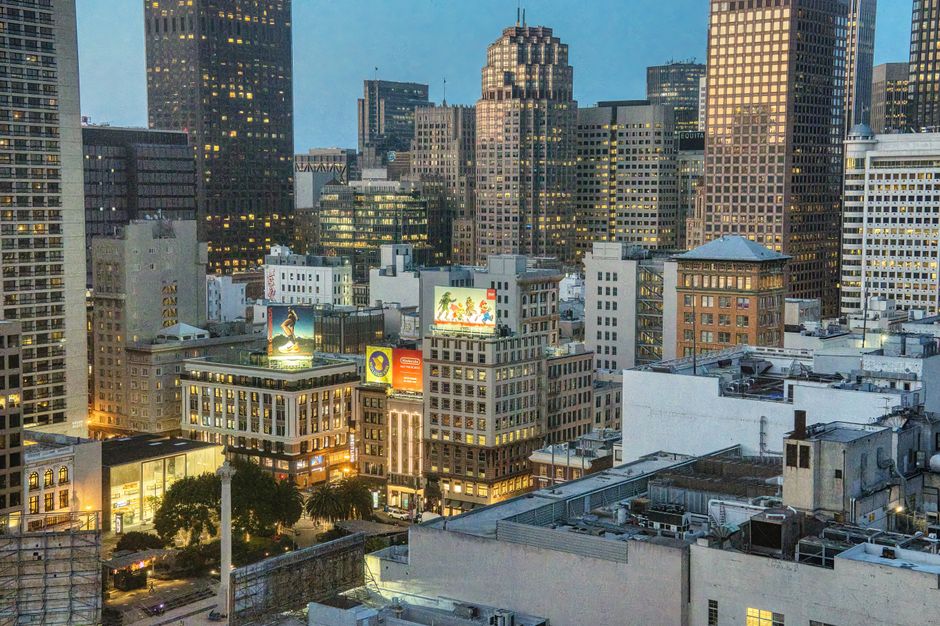
San Francisco's startup ecosystem has always been a point of civic pride, but for everyday residents navigating Mission District rents, congested Caltrain commutes, and increasingly crowded coffee shops on Valencia Street, the connection between venture capital and quality of life isn't always obvious—or positive.
The numbers tell a complex story. According to recent venture funding data, the Bay Area saw $28 billion in startup investments last year, with San Francisco capturing roughly 40 percent of that capital. The city hosts over 6,000 active startups, up from 3,500 a decade ago. On the surface, this looks like economic vitality. But residents are experiencing the consequences in real time.
Housing is the most visible pressure point. As venture-backed companies scale rapidly—particularly in South of Market and along the Embarcadero—they're absorbing office space and attracting high-salaried workers who drive up residential demand. The median rent for a one-bedroom apartment in the Mission now exceeds $2,800 monthly, according to recent surveys. Neighborhoods like the Mission, Hayes Valley, and the Tenderloin have seen dramatic demographic shifts as long-term residents are priced out.
But there's another dimension residents should understand: startup ecosystems create immediate neighborhood effects. When a well-funded company opens offices on Battery Street or Howard Street, it typically triggers infrastructure investments—improved streetscaping, new transit connections, or better building maintenance—but also increased foot traffic, noise, and demand for services. The proliferation of trendy restaurants and boutique retail in formerly working-class areas follows capital concentration almost predictably.
The employment picture is more nuanced than headlines suggest. While startups create jobs, they're often specialized positions requiring specific tech skills, leaving many San Franciscans unable to benefit directly. Entry-level tech roles increasingly demand computer science backgrounds, creating a skills gap that displaces service workers and pushes them further from the city center.
What residents should grasp: the startup boom isn't simply a tech industry story—it's reshaping who lives here, what neighborhoods look like, and what San Francisco costs. City leaders are beginning to address this through affordable housing mandates and zoning reforms, but change moves slowly.
For those staying in San Francisco, understanding the startup ecosystem means recognizing that venture capital flows upstream to wages, rents, and real estate values before trickling down to broader communities. That's neither wholly good nor bad—it's simply the economic reality shaping San Francisco in 2026.
This article was compiled by AI from the sources linked above and screened before publishing. See our editorial standards.
How does this story make you feel?
Spread the word
About this article
Published by The Daily San Francisco
Daily brief
Free, in your inbox before 7am. Weekdays.
More in Business