San Francisco's office market is undergoing a profound transformation, and the ripple effects are already touching everything from your morning coffee run to your rent check. Understanding what's happening downtown isn't just for developers and investors—it's essential context for anyone living in or visiting the city.
The numbers tell a sobering story. Office vacancy rates in the Financial District and South of Market have hovered near 30 percent for the past eighteen months, the highest in decades. This matters because vacant office buildings don't just sit empty—they reshape the neighborhoods around them, affecting foot traffic, local businesses, and property values that eventually influence residential rents across the city.
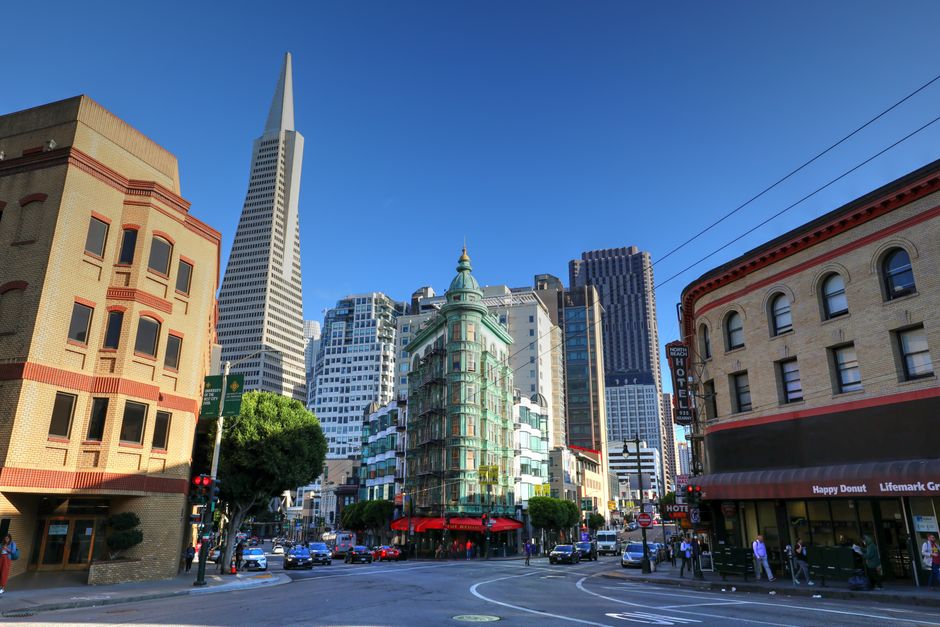
Consider what's happening on Market Street, the city's spine. Retailers that once thrived on downtown worker foot traffic are closing or relocating. A shrinking daytime population means fewer customers for coffee shops, restaurants, and independent retailers that depend on office workers. Some landlords are converting office space to residential units—potentially adding housing supply, but also changing neighborhood character and sometimes pricing out existing communities.
For renters, this creates a complicated picture. Residential conversions in neighborhoods like SOMA and the Financial District could theoretically ease the housing crisis, but conversion projects move slowly and are expensive. Meanwhile, office landlords struggling with vacancies are cutting rents—down roughly 20 percent since 2022 in some buildings—but this hasn't significantly reduced residential housing costs, which remain among the nation's highest.
The retail impact is more immediate. If you've noticed fewer lunch spots near the Embarcadero or changing storefronts around the Ferry Building area, the office exodus explains it. Businesses built their models around 9-to-5 crowds that increasingly aren't coming downtown. Some neighborhoods are reinventing themselves—the Mid-Market corridor is attracting tech headquarters and creative offices—but transition periods are disruptive.
There's also the municipal budget consideration. Office buildings generate substantial property tax revenue. Declining values and rising vacancies mean less money for city services, schools, and transit that everyone depends on.
The good news: San Francisco's long-term fundamentals remain strong. Tech companies, financial institutions, and creative firms continue anchoring the city. But the next few years will test whether San Francisco can successfully transition from a downtown-centric office economy to a more distributed, neighborhood-focused model.
For everyday residents, the lesson is simple: the office market isn't abstract. Watch what's changing in your neighborhood's commercial corridors. Track new conversions and closures. These shifts are reshaping San Francisco's future—and your cost of living along with it.
This article was compiled by AI from the sources linked above and screened before publishing. See our editorial standards.