When Capital Flows Dry Up: What San Francisco's Venture Pullback Means for Main Street
As investment dollars shift away from the Bay Area, small business owners in Mission District and SoMa are learning to read the economic tea leaves—and adapt.
As investment dollars shift away from the Bay Area, small business owners in Mission District and SoMa are learning to read the economic tea leaves—and adapt.
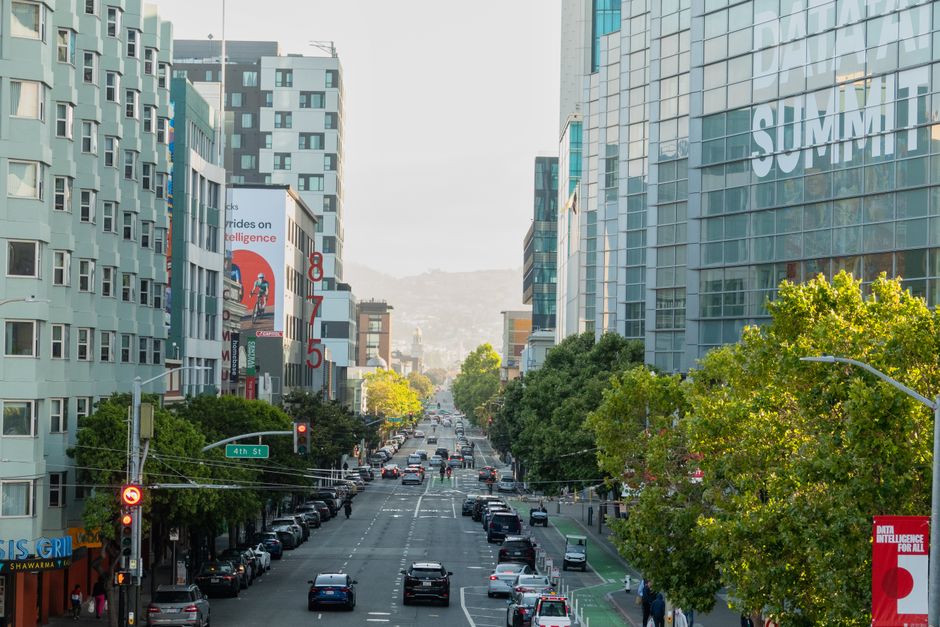
Walk down Valencia Street on any given Tuesday, and you'll see the telltale signs: a coffee roastery downsizing its espresso bar, a design studio moving to cheaper Oakland digs, a restaurant postponing its expansion plans. These aren't isolated incidents. They're visible markers of a broader economic shift that San Francisco's small business community is grappling with in mid-2026.
The venture capital landscape that once flooded the Bay Area with seemingly endless cash has fundamentally changed. According to recent data from the Silicon Valley Bank's latest quarterly report, early-stage funding to California startups dropped 18 percent year-over-year, marking the third consecutive quarter of decline. For context: in 2021, venture firms deployed an average of $6.2 billion monthly into the region. Today, that figure hovers around $3.8 billion—a decline that ripples far beyond Sand Hill Road.
"When VCs tighten spending, small businesses feel it immediately," explains economic analyst feedback from the San Francisco Chamber of Commerce. The mechanism is straightforward: venture-backed companies cut discretionary spending, reduce headcount, and delay expansion. Those firms were often prime customers for the neighborhood restaurants, design agencies, and logistics services that dot the SOMA and Mission corridors.
But understanding these economic indicators matters for entrepreneurs trying to navigate 2026. Commercial rents in South of Market, once climbing above $85 per square foot annually, have softened to $72—a welcome reprieve for struggling tenants but a signal that landlords are bracing for longer-term weakness. Meanwhile, consumer spending data suggests San Francisco residents remain relatively resilient; retail traffic in downtown remained stable despite office vacancy rates climbing above 30 percent.
The divergence reveals something crucial: investment flows aren't monolithic. While venture capital contracts, other funding sources are becoming more attractive. Small Business Administration loan approvals citywide are up 12 percent compared to last year. Community development financial institutions operating in neighborhoods like the Mission and Bayview are reporting stronger pipeline activity. Angel investors, those individual high-net-worth backers who often fund pre-seed companies, are becoming more selective but remain active.
For entrepreneurs, the lesson is clear: the era of capital abundance is over, replaced by one demanding clarity, profitability timelines, and genuine market need. It's a harder environment, certainly. But it's also one where scrappy, focused businesses can thrive—precisely the conditions that built San Francisco's business culture decades ago.
This article was compiled by AI from the sources linked above and screened before publishing. See our editorial standards.
How does this story make you feel?
Spread the word
About this article
Published by The Daily San Francisco
Daily brief
Free, in your inbox before 7am. Weekdays.
More in Business