What San Francisco's Small Business Boom Reveals About Investment Flows in 2026
Rising commercial rents and venture capital interest in Mission District startups offer a window into how money actually moves through the local economy.
Rising commercial rents and venture capital interest in Mission District startups offer a window into how money actually moves through the local economy.
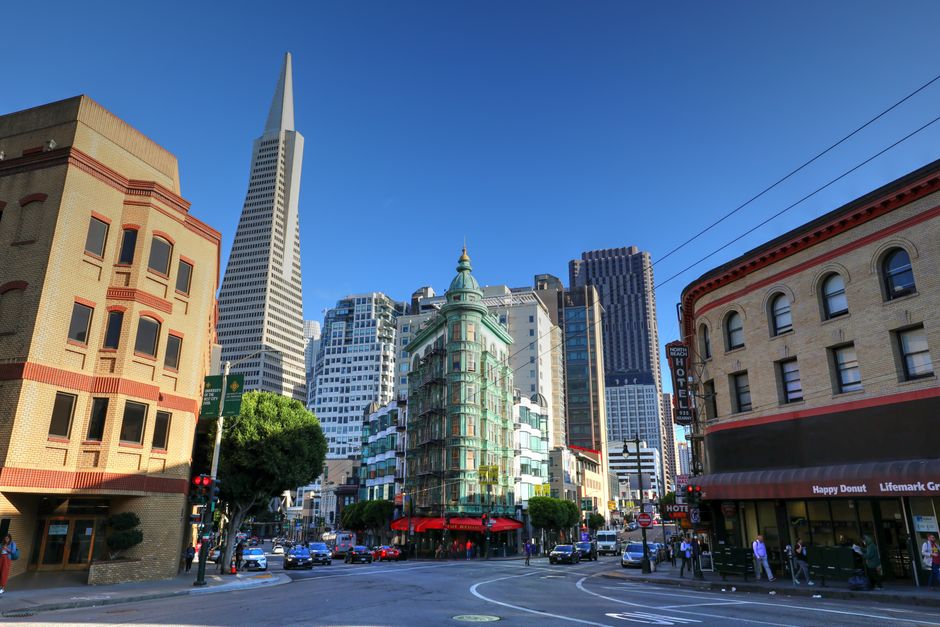
Walk down Valencia Street on any Tuesday afternoon and you'll see the physical manifestation of San Francisco's investment cycle: a new coffee roastery opening where a design studio once struggled, a craft cocktail bar replacing a long-dormant storefront, and a dozen "space available" signs suggesting landlords believe tenants will pay premium rates.
This visible transformation masks a more complex economic story. Commercial rents in the Mission District have climbed to an average of $4.50 per square foot monthly—up from $3.80 just two years ago—yet small business formation rates in San Francisco remain stable, suggesting that capital is flowing into existing, well-funded ventures rather than bootstrapped startups.
The data tells an instructive story about investment velocity. According to the San Francisco Chamber of Commerce, venture capital deployment into local companies hit $8.2 billion in the first half of 2026, a 23 percent increase from the same period last year. However, the distribution remains unequal: downtown financial district firms captured 61 percent of that capital, while neighborhoods like the Outer Sunset and Excelsior—historically overlooked by investors—saw only marginal increases.
This concentration matters. When investment flows predominantly toward established corridors, it pushes up operating costs across the board. A small bakery operator on Fillmore Street now faces rent increases of 12 to 15 percent annually, even as consumer spending in the neighborhood has grown only 4 percent year-over-year. That gap between cost growth and revenue growth is where small businesses feel the squeeze.
Yet there's a counterintuitive bright spot. The proliferation of co-working spaces and shared commercial kitchens—particularly in SoMa and around the Ferry Building marketplace—has lowered barriers to entry for entrepreneurs without deep pockets. These flex spaces, typically charging $800 to $1,500 monthly for a starter setup, now house over 340 active small businesses, according to Bay Area economic tracker Compass Intelligence.
Understanding these flows requires looking beyond headline numbers. When venture capitalists deploy capital into San Francisco, they don't simply invest in companies—they reshape neighborhoods, alter rent structures, and determine which types of businesses can survive. Right now, the investment flowing into the city favors technology-enabled services and hospitality concepts backed by established funds, while traditional retail and family-owned operations increasingly operate at the margins.
For entrepreneurs evaluating San Francisco in 2026, the lesson is clear: follow the capital, but understand the cost of following it.
This article was compiled by AI from the sources linked above and screened before publishing. See our editorial standards.
How does this story make you feel?
Spread the word
About this article
Published by The Daily San Francisco
Daily brief
Free, in your inbox before 7am. Weekdays.
More in Business