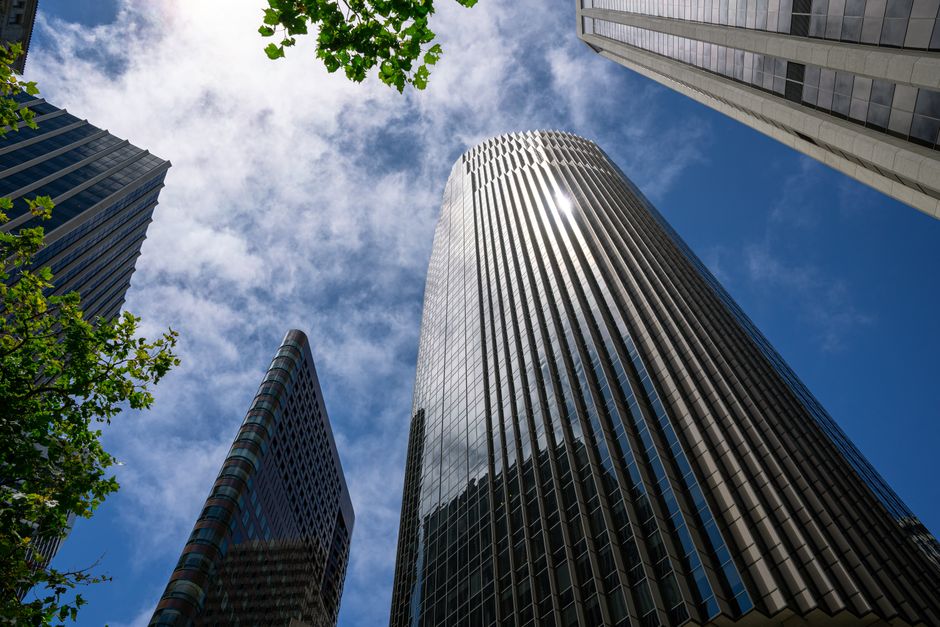
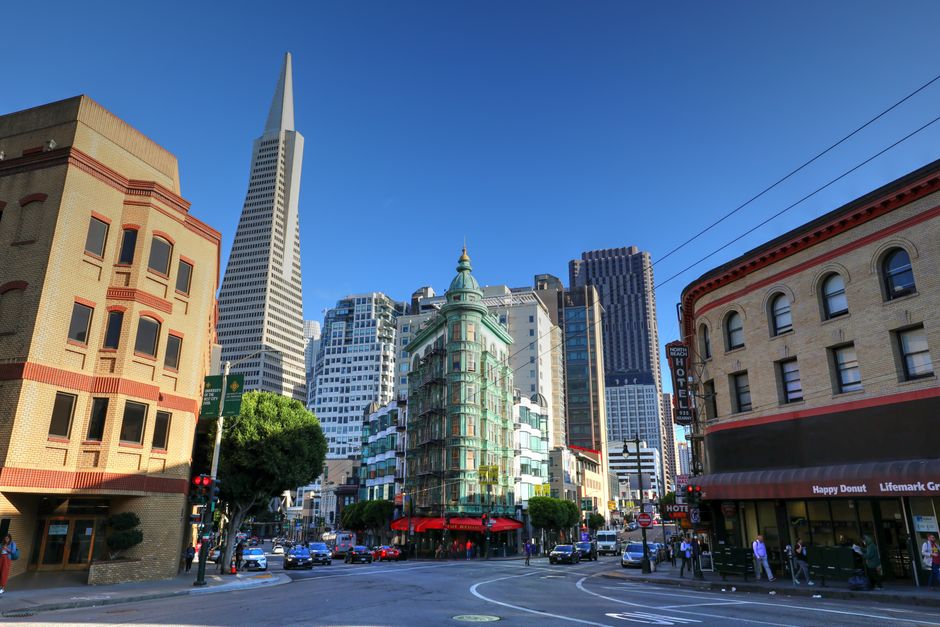
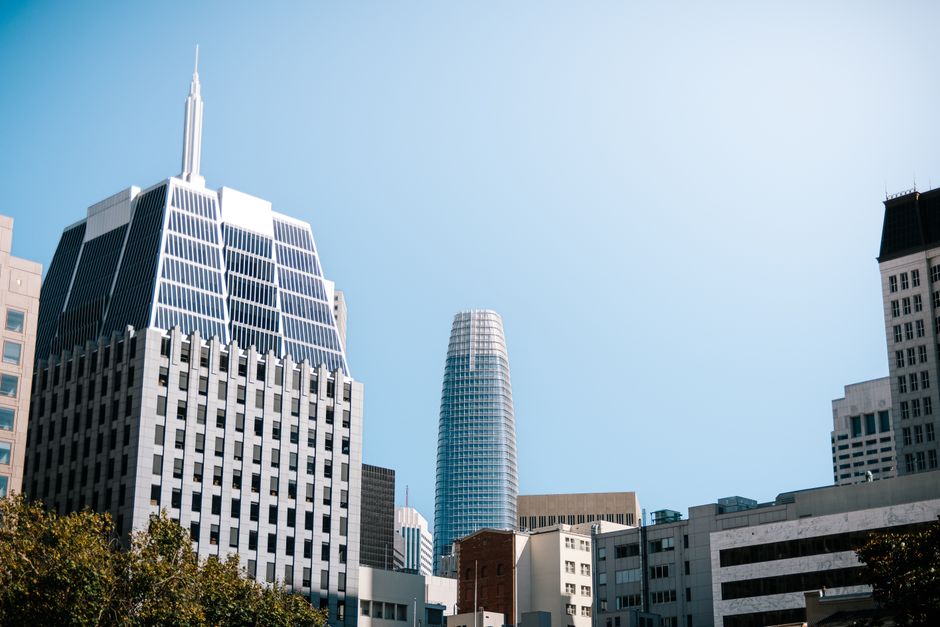
San Francisco's commercial property sector is navigating one of its most challenging periods in recent memory. The downtown office market, long buoyed by tech sector demand and venture capital exuberance, is confronting a sobering reality: sustained high vacancy rates, declining rents, and a fundamental shift in how companies approach real estate strategy.
The numbers tell a stark story. Vacancy rates in the Financial District and South of Market (SoMa)—historically the city's most desirable office corridors—have hovered near 30 percent through mid-2026, a significant climb from the sub-15 percent levels of 2019. Class A office space on Market Street and within the recently revitalized Transbay Transit Center district is sitting available far longer than landlords anticipated, with some prime locations offering concessions unthinkable just five years ago.
Multiple headwinds are converging. The ongoing tech industry slowdown has reduced hiring and expansion plans at major employers from the Financial District to Mission Bay. Simultaneously, the normalization of hybrid and remote work arrangements has fundamentally altered corporate real estate requirements. Major tenants are consolidating footprints rather than expanding them, or relocating to secondary markets entirely.
"We're seeing companies right-size their portfolios," explained one prominent local commercial real estate broker. "The 'grow at all costs' mentality of the 2010s has given way to a much more disciplined approach to occupancy costs."
The repercussions are rippling through the sector. Investment sales velocity has slowed considerably. Institutional capital, which once competed aggressively for marquee San Francisco properties, is increasingly selective. Some projects that appeared viable on paper two years ago now face financing challenges or delayed timelines. The Paramount Group's ongoing challenges with its Market Street holdings exemplify broader institutional struggles.
Adaptive reuse and conversion projects have emerged as partial solutions, with several prominent office buildings being reimagined as residential or hospitality assets. Yet these transformations require substantial capital and navigating complex planning processes—hardly quick fixes for a market seeking immediate stability.
The Federation of San Francisco Neighborhoods and local business groups have begun advocating for policy adjustments to accelerate commercial building conversions, recognizing that the downtown office market as previously structured may not fully recover. Landlord advocacy organizations, meanwhile, are pushing for tax relief provisions to help stabilize their positions during this transition period.
For now, San Francisco's commercial real estate sector remains in a holding pattern, awaiting clarity on tech sector health, interest rates, and whether hybrid work arrangements will stabilize or deepen. The outcome will shape the city's economic trajectory for years to come.
This article was compiled by AI from the sources linked above and screened before publishing. See our editorial standards.