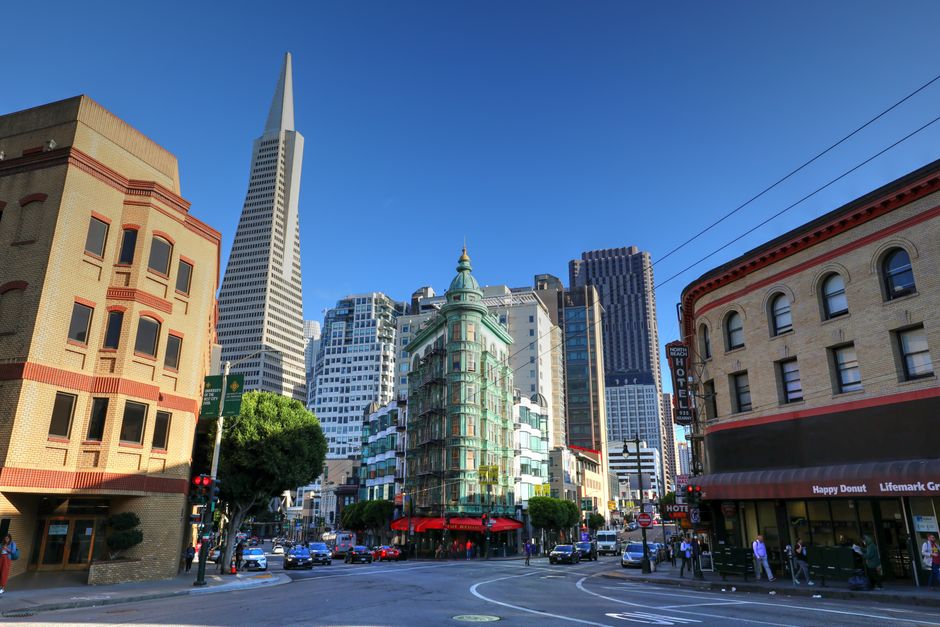
The skyline above the Financial District tells one story; the hiring patterns in SoMa and along the Embarcadero tell another. San Francisco's job market is undergoing a subtle but significant transformation as companies grapple with a fundamentally altered global trade landscape, and local recruiters say the shift is reshaping which skills command premium salaries.
Over the past 18 months, logistics and supply chain management positions in the Bay Area have grown 34 percent, according to data from the Bay Area Council Economic Institute. Meanwhile, traditional software engineering roles, long the city's bread and butter, have seen hiring growth flatten to single digits. The change reflects a broader reality: multinational corporations headquartered or operating in San Francisco are investing heavily in teams that can navigate tariffs, sanctions compliance, and alternative sourcing strategies that yesterday's playbook never anticipated.
"We're seeing demand for talent that didn't exist three years ago," says the operations director at a major consulting firm with offices on Market Street, noting that clients ranging from food importers in the Mission Bay district to semiconductor companies in Silicon Valley are equally affected. Companies are recruiting economists, trade policy analysts, and supply chain engineers at salaries that have pushed typical compensation packages above $180,000 for mid-level roles.
The phenomenon has rippled through education and recruitment channels across the region. San Francisco State University's business school has reported a 41 percent increase in enrollment in international trade and customs compliance courses since 2024. Meanwhile, professional networking events in venues from the Ferry Building to WeWork locations in SOMA are increasingly populated by people discussing freight forwarding, tariff classification, and nearshoring strategies—topics that would have drawn puzzled looks five years ago.
Real estate dynamics reflect the shift too. Warehouse and logistics real estate around the Port of Oakland, traditionally overshadowed by tech-focused office leasing in downtown San Francisco, has seen rental rates rise 12 percent annually, driven by companies establishing distribution and compliance centers closer to their operations.
Not everyone benefits equally. Entry-level tech workers in the city continue to face a tougher employment landscape, with some relocating to Austin or returning to other regions. Yet for those with expertise in international economics, regulatory frameworks, or operations management, San Francisco's job market has never been more competitive. The irony is sharp: just as the city's identity remains tied to technology disruption, the real opportunity gap is widening in the unglamorous but increasingly critical work of global commerce.
This article was compiled by AI from the sources linked above and screened before publishing. See our editorial standards.