San Francisco's visitor economy has roared back to pre-pandemic levels and beyond. Last year, the city welcomed nearly 3.5 million overnight visitors, generating roughly $11 billion in economic activity. But for everyday residents, this success story comes with real consequences playing out on your neighborhood streets.
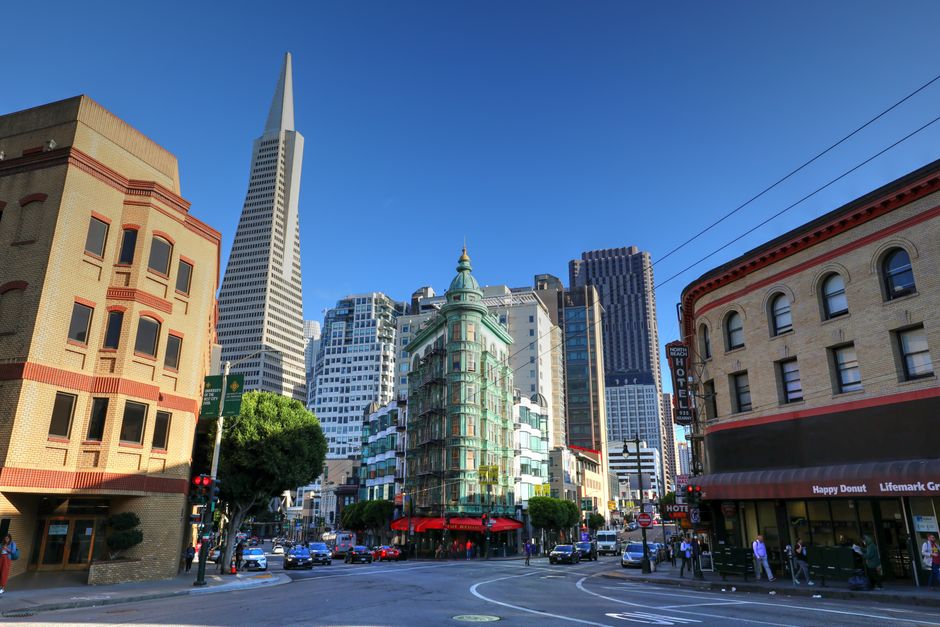
Start with what you're seeing firsthand: congestion. Union Square and Fisherman's Wharf have returned to their chaotic pre-2020 baseline, with tour buses dominating Stockton Street and the Embarcadero. Parking near major attractions has become nearly impossible, and street-level retail has shifted dramatically. Independent shops along Fillmore Street and Valencia Street have increasingly given way to hotel-adjacent restaurants and tour operator offices targeting visitors rather than locals.
The economic impact cuts both ways. The visitor spending supports roughly 87,000 jobs across hospitality, retail, and transportation—jobs held by people who live in the Bay Area. Hotel tax revenue, which visitors pay, contributes hundreds of millions annually to city services. Yet hotels continue expanding: three major properties opened near Union Square in the past 18 months alone, intensifying local concerns about land use priorities.
Pricing pressures are unmistakable. Restaurant reservations at popular spots in North Beach and the Marina now book weeks in advance, increasingly populated by tourists willing to pay premium prices. Rideshare rates surge during peak visitor hours—particularly evenings near the Ferry Building and weekends on Market Street. Even casual neighborhood spots near BART stations have adjusted menus and pricing upward.
What residents should understand: the visitor economy isn't going away, but your relationship to public spaces is genuinely changing. Chinatown's narrow streets, always crowded, now experience genuine gridlock. The Presidio and Golden Gate Park see capacity challenges on weekends. Street cleaning and maintenance budgets struggle to keep pace with foot traffic volumes.
The city government's challenge—and yours—is balancing legitimate community needs against economic interests. A proposed permit system for tour groups on certain streets, under discussion at the Board of Supervisors, exemplifies this tension. More people want to visit San Francisco than ever. The question residents increasingly grapple with is: at what cost to the neighborhood character that made visitors want to come here in the first place?
Understanding the visitor economy isn't about being anti-tourism. It's about recognizing that your daily commute, restaurant availability, and neighborhood atmosphere now operate within a genuinely global system—one that's profitable but increasingly consequential for how you experience your own city.
This article was compiled by AI from the sources linked above and screened before publishing. See our editorial standards.