From Mission District Garage to Tech Darling: How One Founder Built a $50M Climate-Tech Startup
Meet the entrepreneur reshaping San Francisco's sustainability sector while keeping roots firmly planted in the neighborhood that made her.
Meet the entrepreneur reshaping San Francisco's sustainability sector while keeping roots firmly planted in the neighborhood that made her.
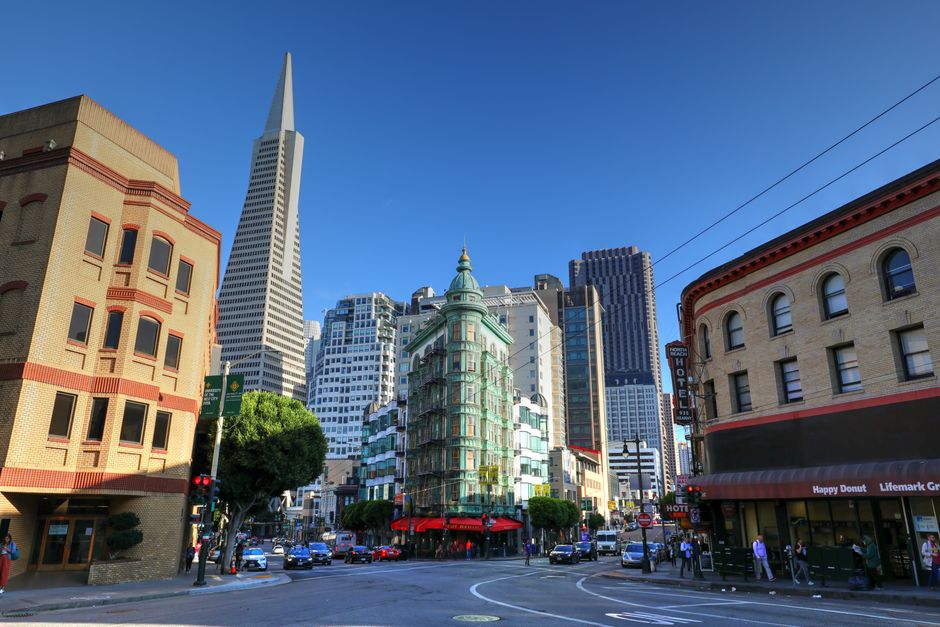
On a Tuesday afternoon in the Mission District, the converted warehouse on Valencia Street between 24th and 25th buzzes with activity. Inside, engineers huddle around prototype displays while business development staff field calls from major utilities across California. This is Helix Energy Systems—a climate technology company that's become one of San Francisco's most promising homegrown ventures, valued at $50 million after its Series B funding round closed last month.
What makes Helix's trajectory noteworthy isn't just its rapid ascent through the Bay Area's notoriously competitive venture capital landscape. It's that the company has remained geographically tethered to the Mission, one of San Francisco's most vibrant working-class neighborhoods, even as its ambitions have scaled exponentially.
Helix's core innovation centers on grid-stabilization software that helps utilities integrate renewable energy sources more efficiently. The Bay Area has long positioned itself as the epicenter of climate technology—the market is projected to exceed $200 billion globally by 2030—yet most climate startups migrate south toward the Sand Hill Road corridor or north toward the Peninsula as they scale. Helix has resisted that pull.
"The Mission has always been entrepreneurial," says the company's leadership, which has deliberately built hiring pipelines with local community colleges and coding bootcamps in the neighborhood. Twenty-two percent of Helix's current 140-person workforce came through non-traditional educational pathways, a statistic the company emphasizes in its recruitment materials.
The decision to maintain a Mission District headquarters comes with trade-offs. Real estate here has become pricey—the warehouse space costs roughly $85 per square foot annually, a 40 percent increase from three years ago. Yet the neighborhood's existing creative infrastructure, relatively lower costs than SOMA or downtown San Francisco, and proximity to BART access made it logical. The company's café, open to the public, has become an informal hub where local entrepreneurs and remote workers collaborate.
Helix's success resonates during a period when San Francisco's business ecosystem faces scrutiny. Downtown office vacancies have hovered near 30 percent; major tech companies have consolidated operations elsewhere. Helix represents a countercurrent—a company building something tangible, hiring locally, and anchoring itself in a specific neighborhood rather than following the exodus.
As climate technology continues reshaping California's economy, Helix Energy Systems stands as a test case: can San Francisco's next generation of unicorns maintain community roots while pursuing scale? For now, at least on Valencia Street, the answer appears affirmative.
This article was compiled by AI from the sources linked above and screened before publishing. See our editorial standards.
How does this story make you feel?
Spread the word
About this article
Published by The Daily San Francisco
Daily brief
Free, in your inbox before 7am. Weekdays.
More in Business