Remote Work Redux: How Bay Area Companies Are Reshaping SF's Job Market With Hybrid Mandates
As major employers tighten office policies, San Francisco's talent competition intensifies and compensation structures shift in unexpected ways.
As major employers tighten office policies, San Francisco's talent competition intensifies and compensation structures shift in unexpected ways.
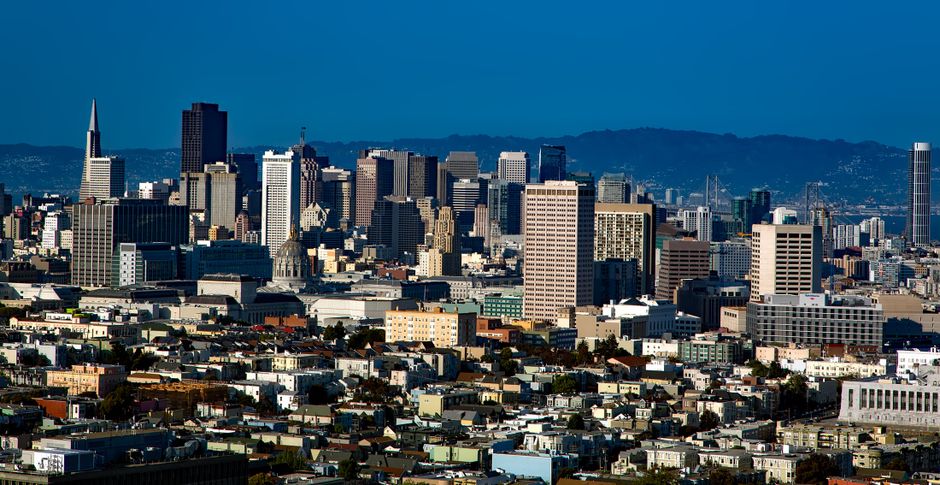
The pendulum has swung again. After years of pandemic-driven flexibility, San Francisco's largest employers are enforcing stricter return-to-office mandates, fundamentally altering how the city's notoriously competitive job market operates.
Tech giants headquartered in the Financial District and South of Market have begun requiring three to five days onsite, a sharp reversal from 2024's more lenient policies. The shift is creating a two-tier employment landscape that's already reshaping salary expectations, neighborhood vitality, and talent recruitment across the region.
Commercial real estate data tells part of the story. Office vacancy rates in the CBD have tightened to 18.2% from peaks above 25%, according to Q2 market reports. Landlords on Market Street and in the SOMA corridor are offering aggressive lease incentives to anchor tenants, but the underlying pressure is clear: companies need bodies in chairs again. That urgency is trickling down to hiring practices.
"We're seeing candidates negotiate harder on flexibility, not salary," says local tech recruiter feedback gathered from multiple placement firms along the Embarcadero. Workers who spent two years working from Marin or the Peninsula now face uncomfortable choices: commute five days weekly or lose positions paying $150,000 to $250,000 annually.
The mandate wave is reshaping talent acquisition. Companies are increasingly offering relocation packages to lure remote-first talent back to the Bay Area—a cost that wasn't necessary two years ago. Simultaneously, some firms are losing mid-level employees to Austin, Denver, and Seattle, where remote policies remain more flexible.
Neighborhoods like the Mission District and Hayes Valley are seeing renewed foot traffic as downtown workers return. Coffee shops and lunch spots near the Ferry Building and along Third Street are reporting customer volume recovery. Yet this benefit masks a deeper tension: younger workers and parents seeking flexibility are deprioritizing San Francisco positions entirely.
The hospitality and service sectors are struggling differently. Hotels near Union Square and restaurants in the Financial District depend on office worker traffic, but that's still below 2019 levels. Some venues are reporting 20% revenue gaps compared to pre-pandemic figures.
Salary growth has also plateaued. Unlike 2023–2024, when bidding wars pushed Bay Area compensation higher, offers are now more conservative. Employers have leverage they hadn't possessed in years.
For job seekers, the message is clear: flexibility has a price in San Francisco. Those willing to return to the office full-time have more leverage than those seeking compromise arrangements. The Bay Area's historic job market advantage—choice and opportunity—now comes with renewed geographic constraints.
This article was compiled by AI from the sources linked above and screened before publishing. See our editorial standards.
How does this story make you feel?
Spread the word
About this article
Published by The Daily San Francisco
Daily brief
Free, in your inbox before 7am. Weekdays.
More in Business