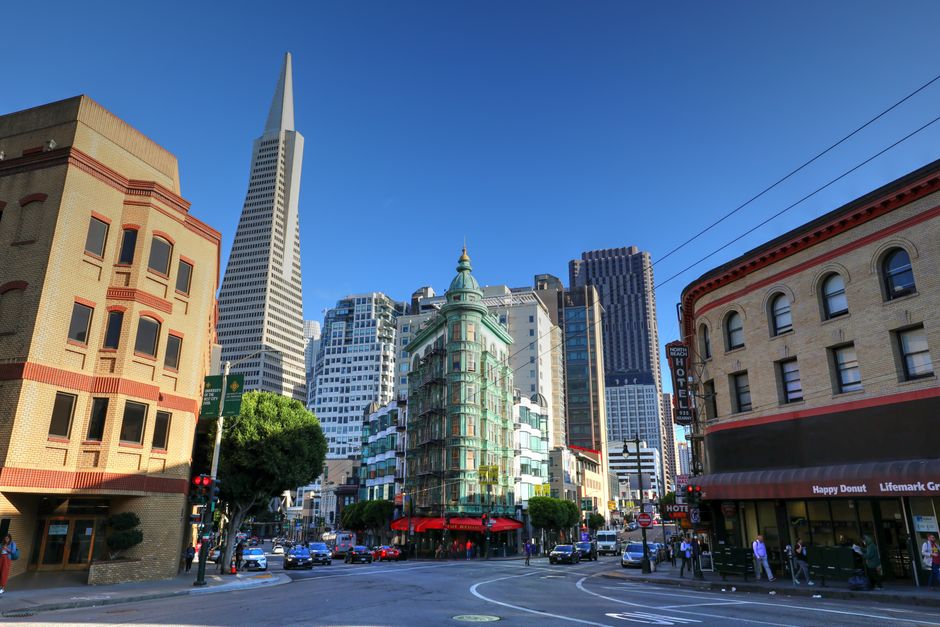
San Francisco's retail and hospitality sectors are entering a recalibration phase that demands strategic rethinking from operators across the city. After years of pandemic-era volatility and pandemic recovery uncertainty, businesses face a convergence of pressures: tightening consumer spending, elevated labor costs, and shifting neighborhood dynamics that are reshaping where and how people dine and shop.
The data tells a sobering story. Foot traffic in Union Square—long the city's retail anchor—remains roughly 15-20% below 2019 levels, according to commercial real estate tracking services. Meanwhile, smaller neighborhood corridors like Valencia Street in the Mission and Fillmore Street in Pacific Heights are capturing disproportionate consumer attention, suggesting the downtown-centric retail model is dead. Restaurateurs report that dinner reservations are holding steady, but lunch service—once a pillar of Financial District operations—continues to lag as remote work remains prevalent.
Labor economics have become the defining constraint. San Francisco's hospitality minimum wage currently sits at $20.24 per hour, among the nation's highest, and operators report wage pressures extending well beyond entry-level positions. Kitchen staff, experienced servers, and managers are commanding salaries that compress already thin margins. Several established restaurants on the Peninsula and in Marin have closed in recent months, citing unsustainable labor costs as a primary factor.
Yet opportunity persists for operators who adapt. Quick-service and delivery-focused concepts are gaining ground—ghost kitchens in SoMa and the Mission are proliferating. Retail spaces are increasingly being converted to experiential venues that blend shopping, dining, and entertainment. The Golden Gate District and Dogpatch neighborhoods are emerging as genuine retail destinations, attracting both independent operators and emerging national brands seeking lower rents and denser foot traffic than downtown offers.
Consumer preferences themselves are fragmenting. Premium casual dining—think $18-28 entrees—remains robust, particularly in neighborhoods like Hayes Valley and the Richmond. But mid-market establishments are squeezed, competing against both upscale venues and budget alternatives. Beverage-forward concepts and smaller plates are trending, partly because they allow restaurants to maintain check averages without appearing pricey to cost-conscious diners.
For business owners, the message is clear: generic operations won't survive. Success requires either operational excellence that justifies premium pricing, or differentiation through concept, location, or community integration. The retail and hospitality landscape isn't shrinking—it's redistributing, rewarding those nimble enough to follow the market rather than fight it.
This article was compiled by AI from the sources linked above and screened before publishing. See our editorial standards.