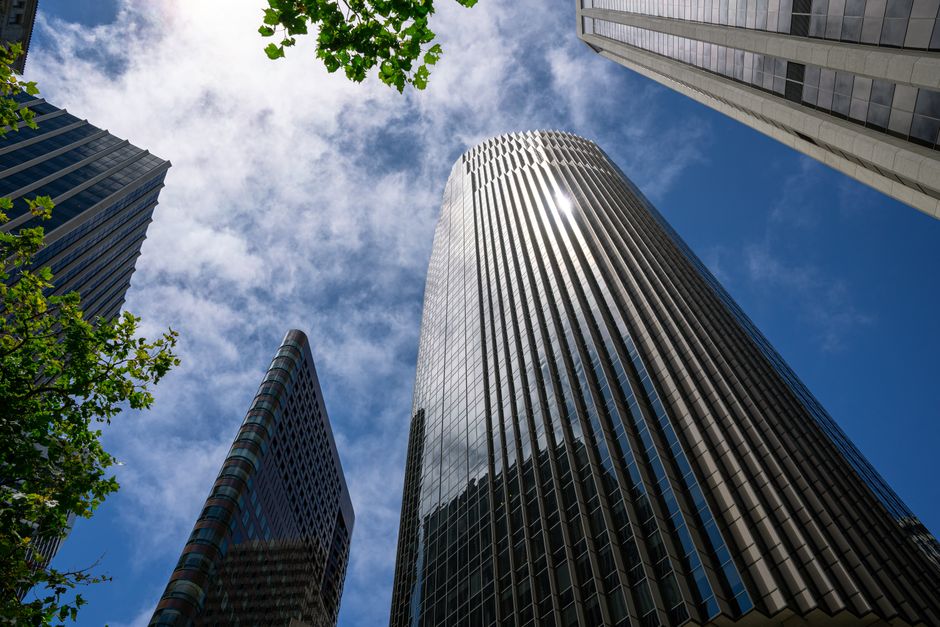
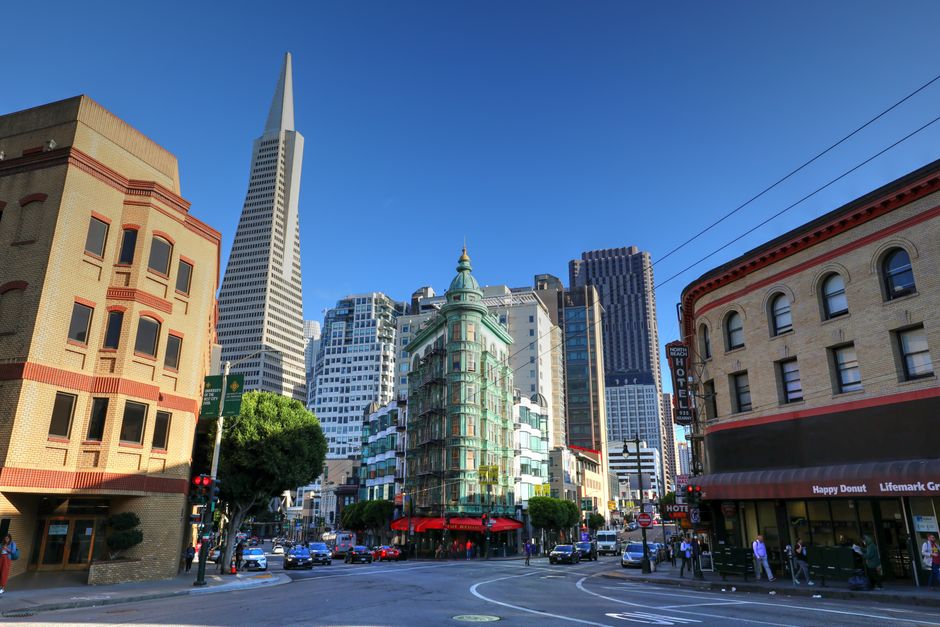
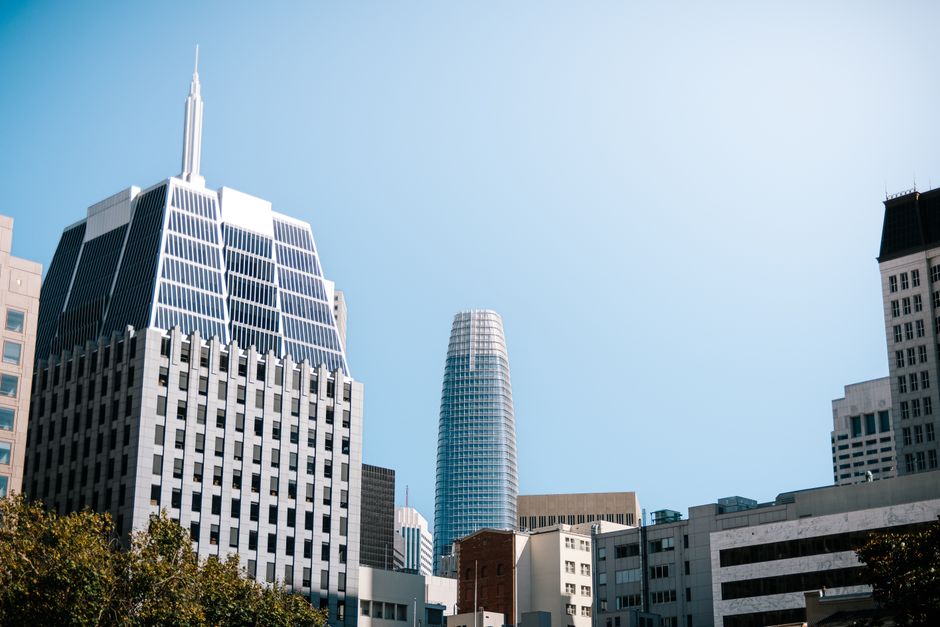
San Francisco's Startup Engine Sputtering: Inside the Innovation District's 2026 Headwinds
Rising operational costs, talent exodus, and regulatory gridlock are testing the resilience of the Bay Area's once-unstoppable entrepreneurial ecosystem.
Rising operational costs, talent exodus, and regulatory gridlock are testing the resilience of the Bay Area's once-unstoppable entrepreneurial ecosystem.
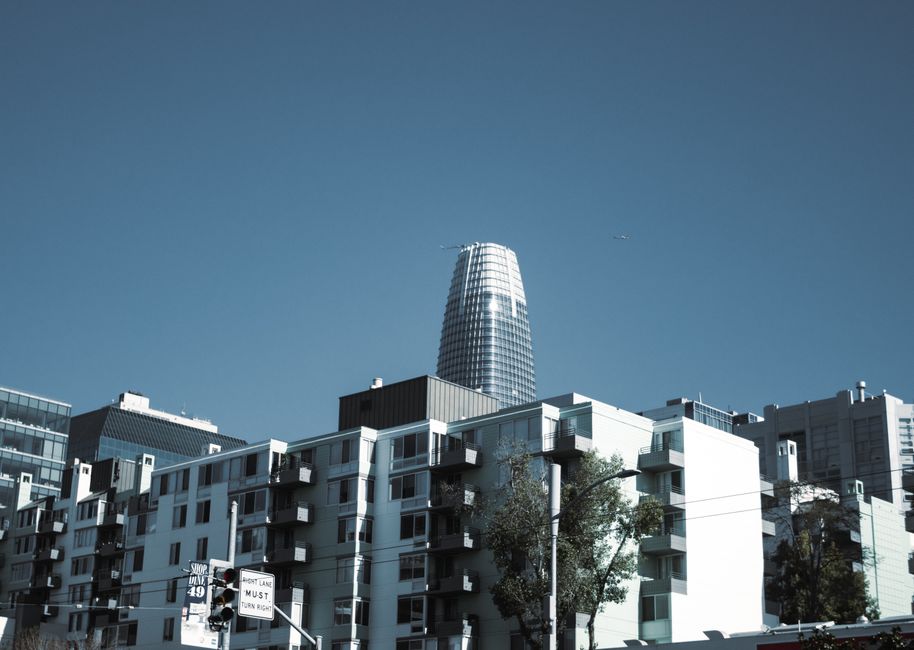
The gleaming glass offices along South Park and the converted warehouses in SoMa that once symbolized Silicon Valley's endless optimism are facing a sobering reality this year. San Francisco's startup ecosystem, long accustomed to abundant capital and relentless growth narratives, is confronting a perfect storm of structural challenges that threaten to reshape the city's innovation landscape.
The numbers tell a stark story. Venture capital funding for Bay Area startups has contracted sharply in the first half of 2026, with Series A rounds averaging $8.2 million—down roughly 35 percent from 2024 levels. Meanwhile, office vacancy rates in the SOMA/Mid-Market corridor have climbed to 28 percent, forcing landlords to slash asking prices. Yet for cash-strapped founders, even discounted rents of $55 to $70 per square foot feel prohibitive as investor patience wears thin.
The talent drain intensifies the pressure. Austin, Denver, and increasingly, foreign markets are luring away engineers and product managers with promises of lower living costs and quality-of-life improvements. A senior software engineer in San Francisco's Mission District now faces a $2.8 million median home price—a barrier that even six-figure salaries struggle to overcome. Recruiter networks report a 22 percent increase in Bay Area tech workers exploring relocation in the past eighteen months.
Regulatory hurdles have also tightened. The California Department of Consumer Affairs introduced new licensing requirements for AI-focused companies in April, while San Francisco's Planning Department has extended typical approval timelines for new tech offices and labs to eight to twelve months. For founders operating on runway measured in months, not years, these delays can prove fatal.
Venture firms headquartered on Sandhill Road and across the Bay remain cautious. Many are increasingly favoring later-stage, profitable companies over early-stage bets. The collapse of three AI-infrastructure startups late last year—companies that collectively raised $340 million—has made investors skeptical of moonshot pitches without clear unit economics.
Yet the ecosystem hasn't lost all momentum. Certain pockets—climate tech, biotech incubators near the Mission Bay research corridor, and fintech focused on developing markets—continue attracting capital. Nonprofit accelerators like Y Combinator's SF-based network and the Founders' Fund portfolio still command attention, though selectivity has sharpened considerably.
For San Francisco's startup community, 2026 represents a reckoning. The era of abundant capital and breakneck scaling is giving way to disciplined entrepreneurship. Whether the city can retain its innovation crown as founders reassess their options remains the defining business story of the year.
This article was compiled by AI from the sources linked above and screened before publishing. See our editorial standards.
How does this story make you feel?
Spread the word
About this article
Published by The Daily San Francisco
Daily brief
Free, in your inbox before 7am. Weekdays.
More in Business