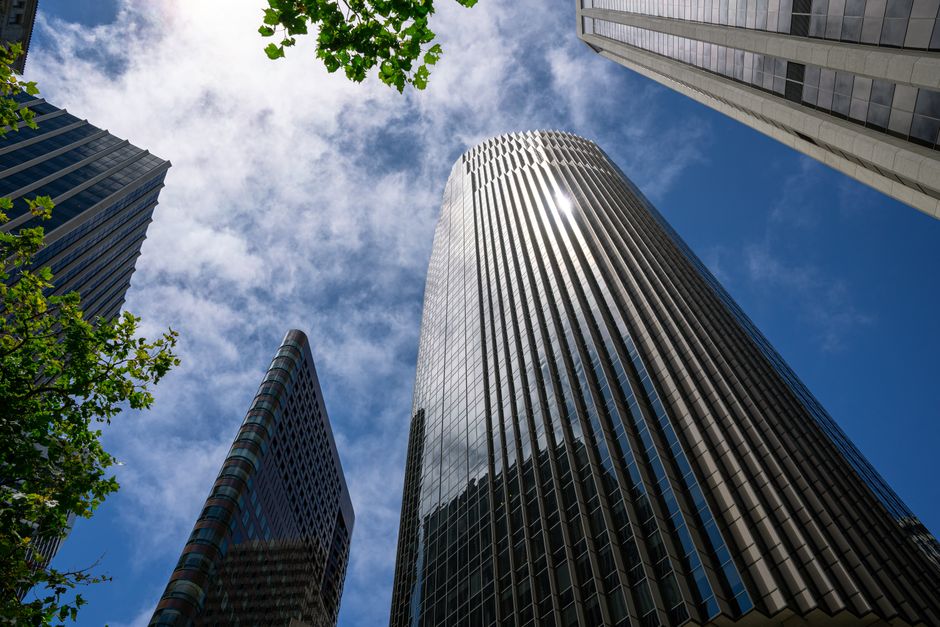
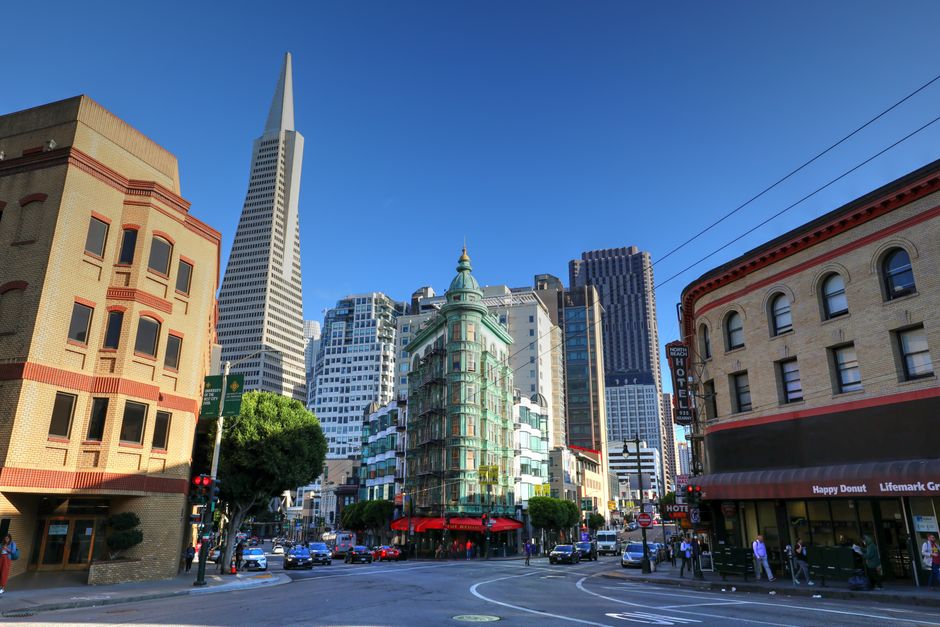
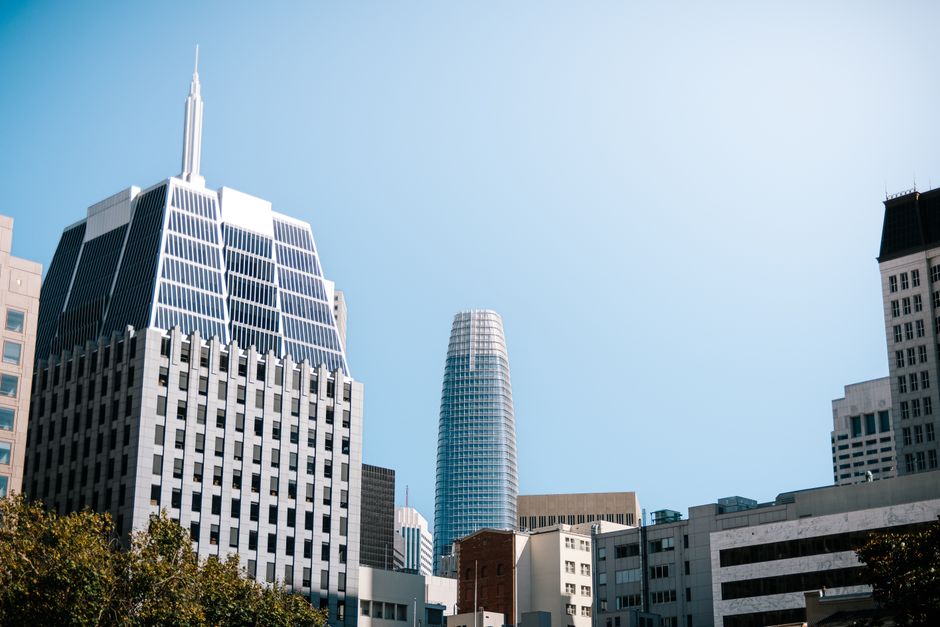
San Francisco's startup ecosystem is no longer confined to the glass towers of South of Market. Over the past eighteen months, innovation clusters have sprouted across the Mission District, the Bayview, and along the waterfront—fundamentally altering how the city's employers compete for talent.
The shift reflects a broader recalibration in where venture capital flows and where founders choose to plant roots. While SOMA remains the gravitational center, with major venture firms still clustered around Market Street, the cost pressures and real estate constraints have pushed younger startups and growth-stage companies toward neighborhoods with lower overhead and more authentic community appeal. The Mission's Valencia Corridor and the emerging Bayview Tech District, anchored by spaces like the Hunters Point Shipyard redevelopment, now host dozens of mid-stage companies spanning fintech, climate tech, and biotech.
This geographic decentralization is creating unprecedented demand for talent outside traditional tech salary bands. Entry-level engineering positions that commanded $150,000 to $180,000 in SOMA are now offering $140,000 to $160,000 in the Mission—but with significantly better quality-of-life perks. Companies are competing on flexible schedules, equity packages, and proximity to amenities rather than raw compensation alone.
The ripple effects extend across the broader labor market. Recruiters report that mid-market professional services firms on Montgomery Street and in the Financial District are struggling to retain junior staff who view startup roles as more dynamic, even at slightly lower salaries. Meanwhile, companies in the Bayview and Dogpatch are capturing talent from Oakland and the Peninsula by offering shorter commutes and lower cost-of-living offsets.
Local workforce development organizations are also feeling the shift. San Francisco's Office of Economic and Workforce Development reports that job postings for tech-adjacent roles—product management, data analytics, operations—are up 34 percent year-over-year, concentrated in emerging neighborhoods rather than traditional hubs.
The trend presents both opportunity and risk. While innovation district growth distributes economic activity more equitably across the city, it's also intensifying gentrification pressures in traditionally affordable neighborhoods. Landlords in the Mission and Bayview are raising rents, pricing out long-term residents even as startups struggle with higher occupancy costs.
Industry observers suggest this reshaping is still in its early stages. If the pattern holds, San Francisco's job market over the next two years will look less like a monocentric tech economy and more like a polycentric one—with implications for housing, transportation, and the city's identity that extend far beyond the tech sector itself.
This article was compiled by AI from the sources linked above and screened before publishing. See our editorial standards.