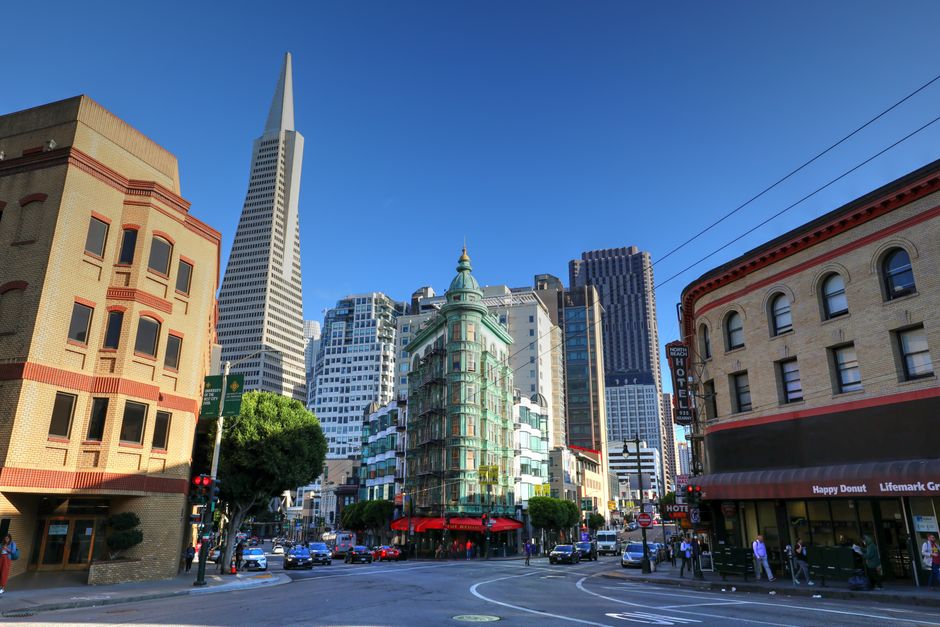
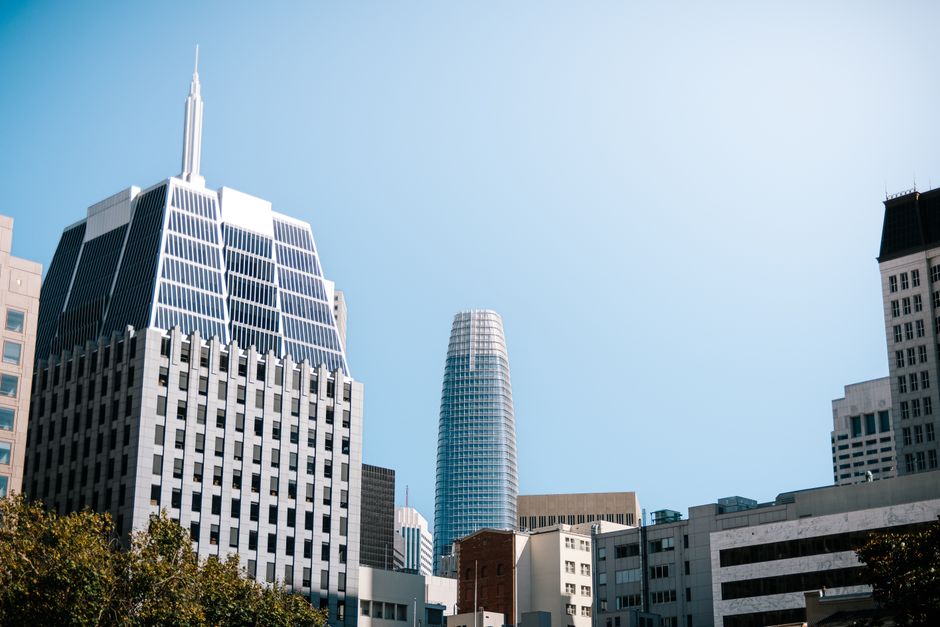
Walk down Valencia Street on any given afternoon and you'll see the scars of San Francisco's small business crisis. Empty storefronts with "For Lease" signs outnumber bustling cafes, a stark reversal from the neighbourhood's reputation as an entrepreneurial hub. Six months into 2026, small business owners across the city are confronting a convergence of headwinds that many describe as the toughest climate since the pandemic.
The numbers tell a sobering story. Commercial rents in prime neighbourhoods like the Mission and SOMA have climbed 18 percent since January, according to data from the San Francisco Chamber of Commerce, while operating costs—particularly labour—continue their upward march. A barista in San Francisco now commands roughly $22 per hour after recent wage adjustments, squeezing margins at coffee shops and casual dining establishments that operate on notoriously thin profits.
"We're caught between a rock and a hard place," says one Hayes Valley bookstore owner, speaking on condition of anonymity due to ongoing lease negotiations. "Landlords want market rates. Customers want affordable prices. And employees deserve fair wages. You can't solve that equation anymore."
The challenge extends beyond rent. Supply chain disruptions continue to plague retailers and food service operators, with wholesale costs for basic ingredients and inventory up 12-15 percent year-over-year. Meanwhile, the rise of mega-retailers and e-commerce platforms has fundamentally altered consumer shopping patterns, particularly among younger demographics who increasingly favour convenience over community connection.
Tech companies' return-to-office mandates have provided some relief to downtown merchants and lunch-hour restaurants near Market Street and the Embarcadero, yet this benefit remains uneven. Neighbourhood-based businesses in the Outer Sunset, Richmond District, and along Church Street report minimal uptick from remote-work flexibility.
The San Francisco Small Business Commission estimates that roughly 40 percent of independent retailers are considering relocation or closure within the next 18 months—a grim forecast that threatens the cultural fabric of neighbourhoods that depend on distinctive, locally-owned enterprises.
Some entrepreneurs are adapting by embracing collective spaces, pop-up models, and strategic partnerships to distribute costs. But for many, these workarounds merely delay the inevitable. As summer progresses and tourist season peaks, San Francisco's small business owners face a critical inflection point: innovate and consolidate, or risk joining the growing roster of vacant storefronts that now define significant stretches of the city.
This article was compiled by AI from the sources linked above and screened before publishing. See our editorial standards.