Global Trade Headwinds Batter San Francisco's International Business Hub
As geopolitical tensions and tariff uncertainty roil markets, the city's export-dependent companies face their toughest year since the pandemic.
As geopolitical tensions and tariff uncertainty roil markets, the city's export-dependent companies face their toughest year since the pandemic.
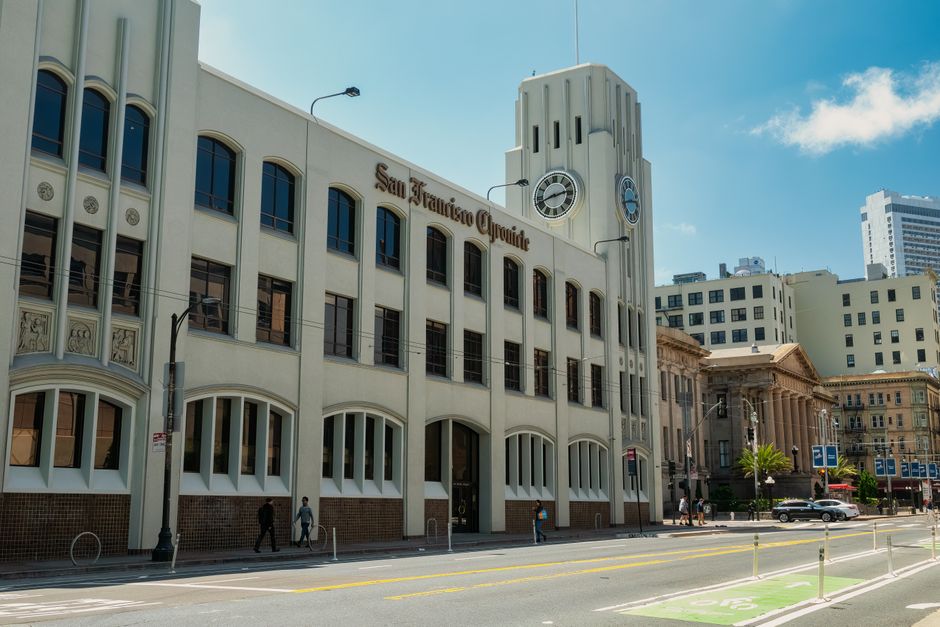
The trading floors of the Financial District are quieter these days. Walk down California Street toward the Port of San Francisco, and you'll notice container volumes are down nearly 8 percent compared to last year—a stark reminder that San Francisco's role as a gateway to Pacific trade is facing unprecedented pressure in 2026.
International commerce, which has anchored the Bay Area's prosperity for generations, is confronting a perfect storm of complications. Escalating geopolitical tensions across multiple regions have disrupted supply chains already weakened by three years of unpredictable tariff policies. Major shipping lines have begun rerouting vessels away from traditional West Coast ports, seeking alternatives in Long Beach or Oakland to hedge against regulatory uncertainty.
At the Chamber of Commerce office near the Embarcadero, business leaders describe an environment of paralysis. Companies that export technology, agricultural products, and manufacturing components—the backbone of Bay Area international trade—are holding capital in abeyance, unable to plan 18 months ahead with any confidence. Insurance premiums for goods in transit have spiked 22 percent since January, according to local freight forwarders, adding margin pressure that smaller exporters can scarcely absorb.
The challenges extend beyond tariffs. Tensions between major trading partners have created diplomatic friction that translates directly to commerce. A mid-market software firm headquartered in SOMA that derives 40 percent of revenue from Asian markets now faces longer approval timelines for both exports and the hiring of foreign nationals—a particular hardship in a region dependent on global talent flows.
Real estate along the waterfront, once a bellwether for trade optimism, reflects the malaise. Warehouse leasing in the Dogpatch and Mission Bay neighborhoods has softened, with landlords offering concessions unthinkable two years ago. Small import-export operations that once thrived in converted industrial spaces are consolidating or relocating inland where costs are lower and volatility feels less acute.
Yet San Francisco's deep infrastructure for international business—its port authority, customs brokers, law firms specializing in trade compliance, banking relationships—remains the strongest on the West Coast. The question facing the business community is whether these advantages can sustain operations through what many expect will be a prolonged period of global economic friction.
Several industry groups are lobbying for policy clarity, arguing that certainty—even if restrictive—beats the current climate of improvisation. Until that arrives, San Francisco's international traders are battening down, conserving cash, and hoping the headwinds prove temporary.
This article was compiled by AI from the sources linked above and screened before publishing. See our editorial standards.
How does this story make you feel?
Spread the word
About this article
Published by The Daily San Francisco
Daily brief
Free, in your inbox before 7am. Weekdays.
More in Business