Silicon Valley Veteran Charts New Course in San Francisco's Shifting Office Market
As remote work reshapes the Bay Area's real estate landscape, one local entrepreneur is betting big on adaptive reuse in SOMA.
As remote work reshapes the Bay Area's real estate landscape, one local entrepreneur is betting big on adaptive reuse in SOMA.
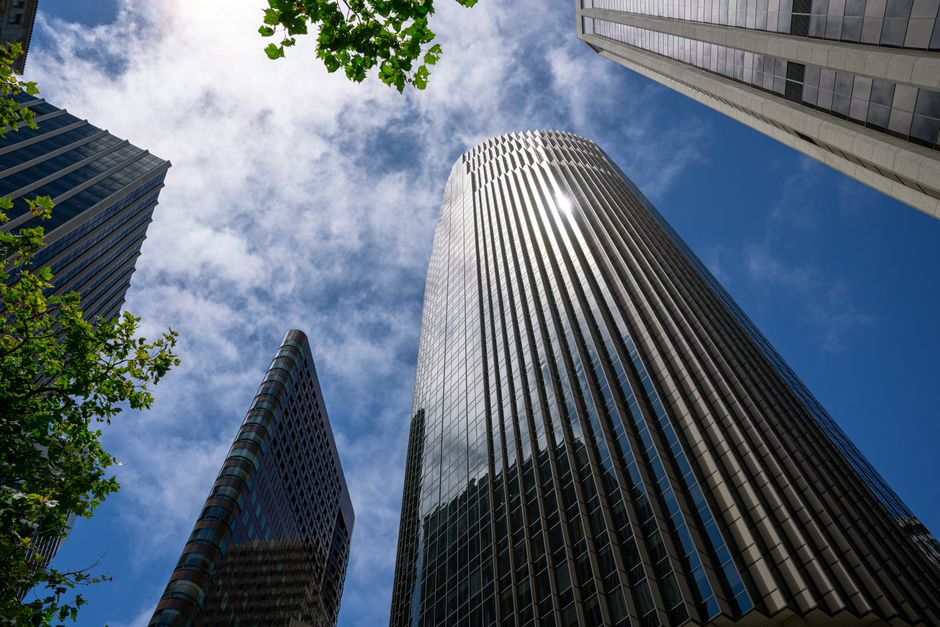
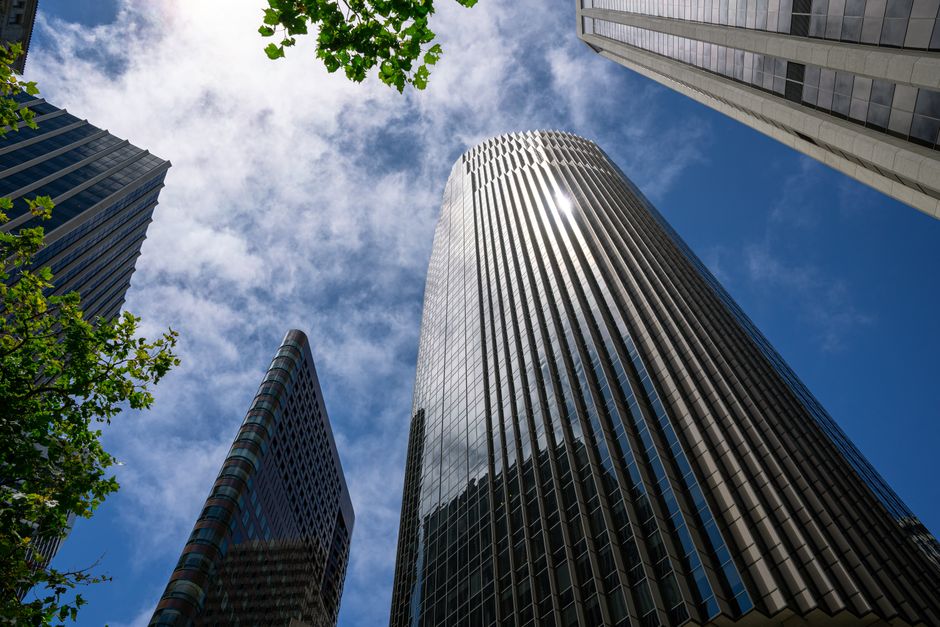
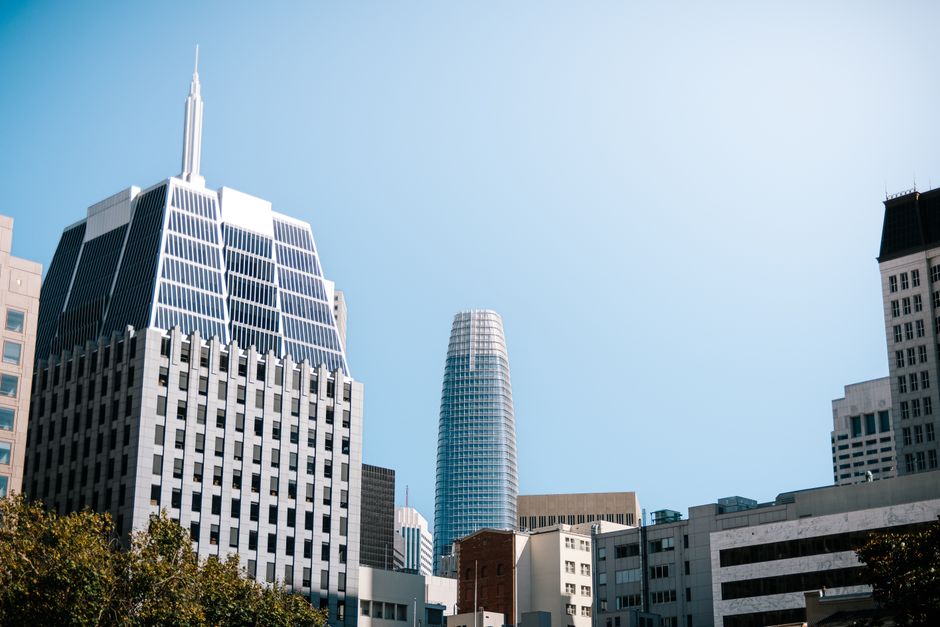
The San Francisco commercial office market has been in flux for nearly three years, with vacancy rates hovering near 30 percent across the Financial District and SOMA. Yet amid the uncertainty, some local operators are seeing opportunity where others see distress.
Consider the case of developers working to reimagine aging office towers along the Market Street corridor and south of Market. Buildings that once commanded premium rents—some exceeding $80 per square foot annually—now sit partially vacant as major tech companies have embraced hybrid work models and scaled back physical footprints.
This structural shift has created an opening for entrepreneurs willing to embrace adaptive reuse. Properties originally zoned for corporate tenants are being converted into mixed-use spaces combining co-working hubs, creative studios, and ground-floor retail. The trend reflects a broader recognition that the days of single-purpose office monoliths are fading.
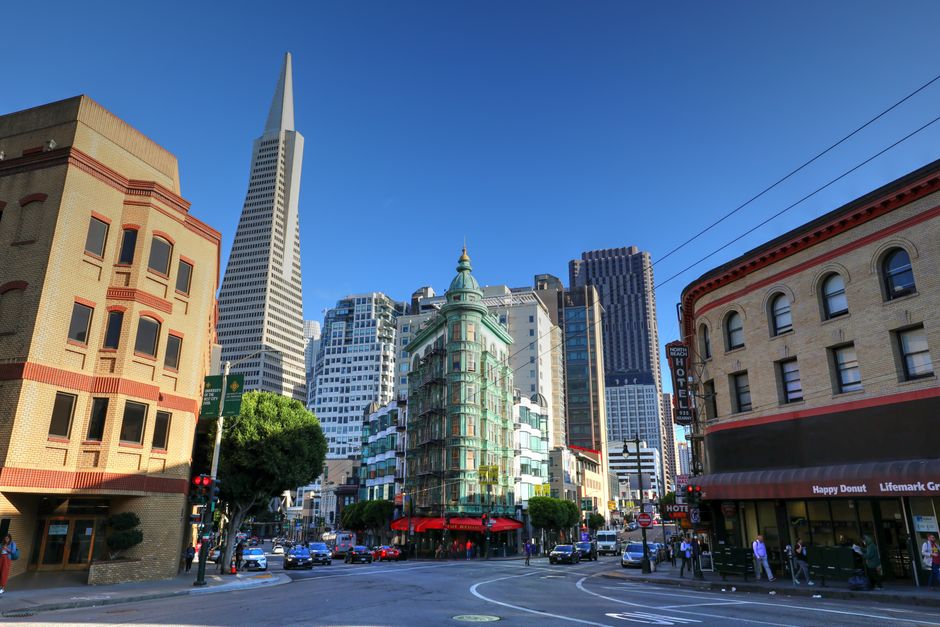
One prominent local player has focused on the SOMA district, where older warehouse-style buildings offer flexibility that newer glass towers cannot match. The strategy involves acquiring distressed assets, renovating them to meet modern health and safety standards, and marketing flexible lease terms that appeal to growing independent firms, nonprofits, and creative agencies.
Data from commercial real estate firms tracking the Bay Area market suggests that buildings offering adaptability—those capable of pivoting between office, flex space, and light manufacturing—are holding value better than conventional office stock. Rents for flexible workspace in SOMA averaged $45 to $55 per square foot in the second quarter of 2026, a significant markdown from legacy office rates but substantially higher than standalone industrial space.
The success of adaptive reuse strategies depends partly on San Francisco's policy environment. City planning authorities have gradually eased restrictions on mixed-use conversions, recognizing that rigid zoning accelerates neighborhood decline. The Planning Department's recent updates to office-to-residential conversion guidelines have also created additional pathways for creative redevelopment.
Industry observers suggest this trend will intensify. Cushman & Wakefield's latest Bay Area outlook projects that roughly 40 million square feet of aging office space will need some form of repurposing over the next five years. Properties in SOMA and the Mission Bay district, with their proximity to transit and increasingly diverse neighborhoods, are positioned well for such conversions.
For entrepreneurs willing to navigate San Francisco's complex approval processes and construction timelines, the commercial real estate market's current dysfunction presents genuine upside. The challenge is timing—and betting correctly on which neighborhoods will anchor San Francisco's economic future.
This article was compiled by AI from the sources linked above and screened before publishing. See our editorial standards.
How does this story make you feel?
Spread the word
About this article
Published by The Daily San Francisco
Daily brief
Free, in your inbox before 7am. Weekdays.
More in Business