Why San Francisco's Tech Boom Matters to Your Rent, Your Commute, and Your Neighborhood
As venture capital pours into Mission Bay and SoMa, residents are discovering that startup success and everyday life in the city are deeply intertwined.
As venture capital pours into Mission Bay and SoMa, residents are discovering that startup success and everyday life in the city are deeply intertwined.
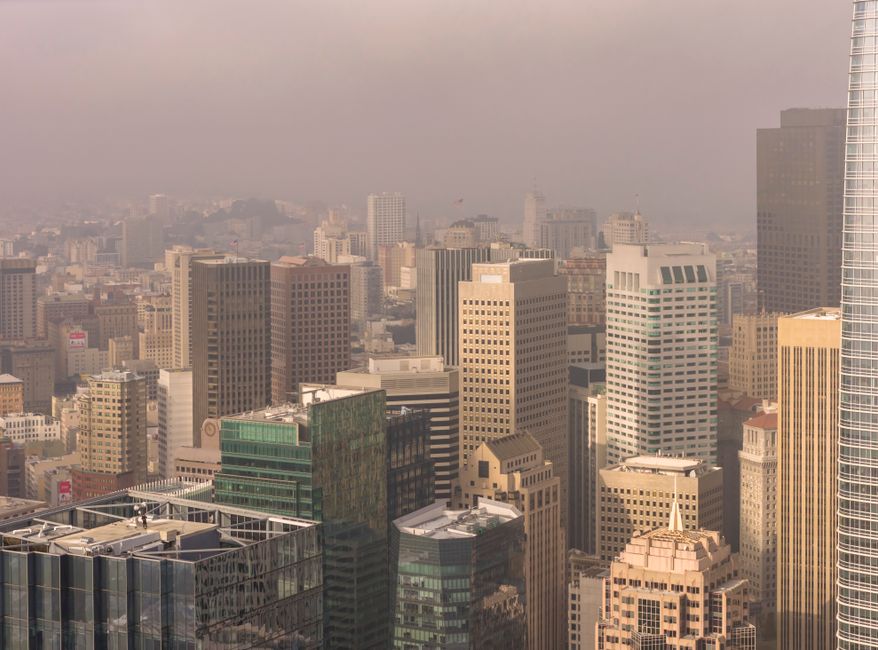
San Francisco's startup ecosystem isn't just a story for venture capitalists and LinkedIn profiles. The decisions made in gleaming office parks along the Embarcadero and in converted warehouses south of Market directly shape where you can afford to live, how you move around the city, and what services appear on your neighborhood block.
Last quarter, Bay Area startups attracted $8.2 billion in venture funding, with San Francisco capturing roughly 40 percent of that investment. Much of it is flowing into Mission Bay and SoMa—neighborhoods that have transformed dramatically over the past decade. What matters to you: this concentration of tech money has turbocharged commercial real estate prices. Office space along Harrison Street now commands $85 per square foot annually, up from $45 in 2019. When landlords see those numbers, residential rents follow.
The innovation district's growth also explains your commute. Thousands of startup employees working in South Beach and SOMA need to get downtown, to Palo Alto, or back to the Peninsula. This demand fueled Muni's expansion of T-Third light rail service and justified the infrastructure spending on bike lanes along Market Street. But it's also created bottlenecks during peak hours that affect everyone, whether you work in tech or not.
What's less obvious is how the startup ecosystem influences your everyday services. The proliferation of small tech firms across SoMa and the Mission has created demand for specialized office support—premium coffee shops, fast-casual lunch spots, and coworking spaces. Spaces like those around Rincon Park now cater almost exclusively to the tech crowd. Meanwhile, neighborhood institutions aimed at longtime residents have shuttered. This reshaping of commercial corridors affects walkability, affordability, and cultural identity across large swaths of the city.
The ecosystem also drives housing scarcity. When companies like those housed in the various innovation hubs attract highly paid employees, they bid up rents. San Francisco's median one-bedroom apartment now costs $2,950 monthly—a 15 percent increase from two years ago. Startup success stories create wealth concentration that makes the city less accessible to teachers, nurses, and service workers essential to city life.
Understanding this cycle matters because residents have agency. Community boards increasingly scrutinize new office developments. Zoning decisions in SOMA and Mission Bay will shape the city's trajectory for decades. Whether you work in tech or not, paying attention to these decisions—and showing up to planning meetings—determines whether innovation enriches your neighborhood or displaces it.
This article was compiled by AI from the sources linked above and screened before publishing. See our editorial standards.
How does this story make you feel?
Spread the word
About this article
Published by The Daily San Francisco
Daily brief
Free, in your inbox before 7am. Weekdays.
More in Business