What San Francisco's Housing Crunch Really Tells Us About Investment Flows and Economic Health
A closer look at the capital movements and market signals reshaping the Bay Area's economy in 2026.
A closer look at the capital movements and market signals reshaping the Bay Area's economy in 2026.
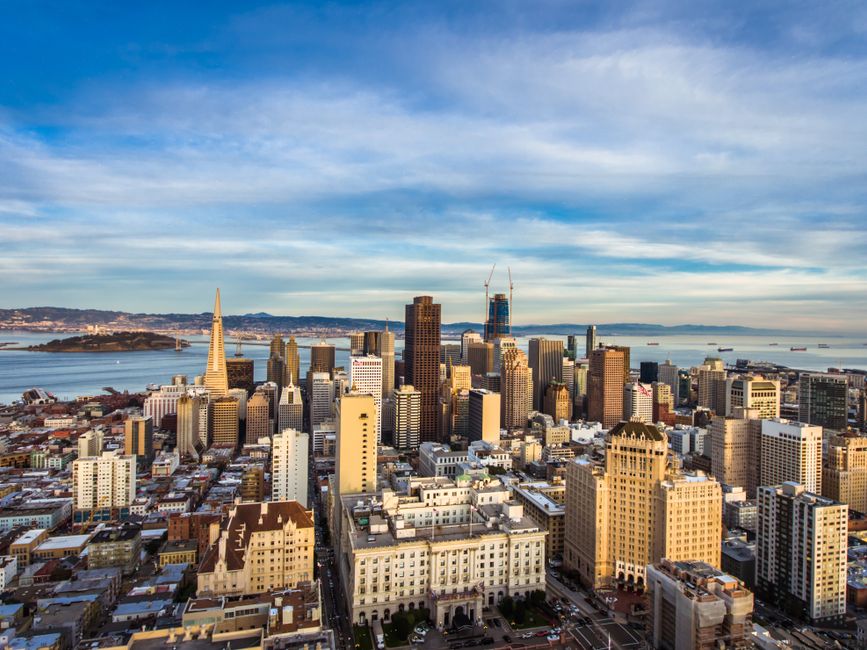
Walk down Valencia Street in the Mission District and you'll see the physical reality of San Francisco's economic crosscurrents: empty storefronts next to gleaming new office conversions, median rents hovering near $3,200 for a one-bedroom, and a downtown office vacancy rate that hit 32 percent this quarter. These aren't just real estate trivialities—they're economic indicators that reveal where capital is flowing and why.
The data tells a complex story. While venture capital funding in the Bay Area dropped 18 percent year-over-year through Q2 2026, institutional investors have pivoted aggressively toward residential real estate. Major pension funds and REITs are snapping up multifamily properties in neighborhoods like Potrero Hill and the Sunset District, betting that demographic shifts and remote work patterns have fundamentally altered housing demand. Meanwhile, the persistent gap between commercial and residential investment reveals investor skepticism about downtown San Francisco's office market recovery.
This divergence matters for everyone living here. When capital floods into residential property, it typically means two things: rent increases and reduced supply of affordable units. The city's Planning Department estimates we'd need 80,000 new housing units by 2031 just to stabilize prices. Yet investment dollars are flowing toward luxury conversions—the kind that generate higher returns—rather than workforce housing.
Look at what's happening at the Embarcadero. WeWork's departure left massive office footprints vacant, but conversion to residential remains constrained by zoning and financing costs. A developer considering conversion to 200 apartments on Sacramento Street faces regulatory hurdles and construction costs exceeding $750,000 per unit—a barrier that only deep-pocketed institutional investors can clear.
The Federal Reserve's interest rate trajectory influences all of this. With rates holding steady at 4.8 percent through mid-2026, mortgage costs remain elevated, favoring institutional buyers over individual homeowners. This structural advantage explains why a single institutional investor recently purchased 47 properties across San Francisco and Oakland in a single transaction.
For San Francisco workers and entrepreneurs, these investment flows create a squeeze. Tech companies still headquartered here—and there are fewer each year—struggle with real estate costs that reduce their competitive advantage against rivals in Austin or Denver. Meanwhile, the influx of institutional capital into housing creates barriers to ownership that push lower-income residents further toward the Peninsula and East Bay.
Understanding these currents isn't just academic. It explains why housing costs remain elevated even as employment growth has slowed, and why the city's economic character continues shifting toward real estate extraction rather than innovation and creation.
This article was compiled by AI from the sources linked above and screened before publishing. See our editorial standards.
How does this story make you feel?
Spread the word
About this article
Published by The Daily San Francisco
Daily brief
Free, in your inbox before 7am. Weekdays.
More in Business