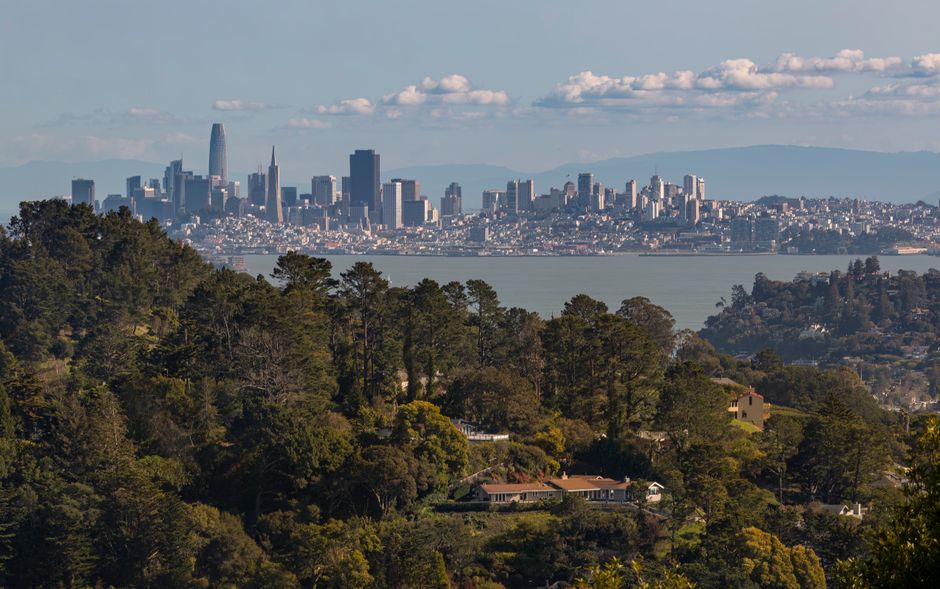
About 15 million Americans work outside the standard 9-to-5 schedule, and San Francisco's 24-hour economy means a disproportionate share of them live here. Hospital staffers, Muni operators pulling 4 a.m. runs, line cooks closing SoMa restaurants past midnight, warehouse workers at the 7th Street logistics corridor, the city runs on people whose sleep schedules would alarm a sleep specialist. And increasingly, those specialists say the health costs are impossible to ignore.
The timing matters for a specific reason. Hormone research published earlier this year has renewed public interest in the body's internal chemistry, melatonin in particular, and how easily modern schedules can disrupt it. Circadian rhythm disruption from shift work is now linked to elevated risks of metabolic disorders, cardiovascular disease, and depression. The National Institute of General Medical Sciences puts the number of Americans with diagnosable circadian disruption disorders in the millions, with shift workers representing the largest at-risk cluster. UCSF's Sleep Disorders Center on Irving Street has reported a steady uptick in referrals from healthcare workers, many of them employed within the Parnassus Heights medical campus itself.
The San Francisco Shift-Work Problem
The Bay Area's hospital system alone employs tens of thousands on rotating schedules. UCSF Medical Center, Zuckerberg San Francisco General on Potrero Avenue, and California Pacific Medical Center across its multiple campuses collectively run three-shift nursing rotations year-round. A 2024 survey by the American Nurses Association found that 44 percent of nurses working night shifts reported getting fewer than six hours of sleep before returning to work. Six hours is the floor most sleep researchers consider clinically inadequate for sustained cognitive performance, not a rounding error, but a meaningful deficit that compounds across a career.
Beyond healthcare, the city's service economy piles on. Muni's Central Control logs trains starting before 5 a.m. on the N-Judah and 38-Geary lines. Bartenders and kitchen staff in the Mission and Tenderloin routinely clock out after 2 a.m. Tech security personnel watch server farms in the Dogpatch through the small hours. These workers rarely get the same clinical attention as hospital staff, and many lack employer-sponsored wellness benefits that would cover a sleep medicine consultation, which at UCSF runs roughly $350 to $500 for an initial out-of-pocket appointment.
What Actually Helps, and What Doesn't
Sleep researchers are increasingly skeptical of the blanket advice to "just get eight hours." For shift workers, the goal is protecting sleep architecture, the sequence of light, deep, and REM sleep cycles, whenever sleep does happen. Three evidence-backed interventions have real traction.
Light exposure management tops the list. Night-shift workers leaving a hospital at 7 a.m. into San Francisco's bright summer fog can blunt the disruptive effect of morning light by wearing blue-light-blocking glasses for the walk or drive home. Several workers who access the UCSF Sleep Center report being counseled to keep their commute exposure minimal. The Sunset District's consistent marine layer, ironic as it sounds, gives overnight workers a naturally dim commute window that their colleagues in sunnier climates don't get.
Strategic napping is the second lever. A 20-minute nap taken between 1 p.m. and 3 p.m., before a night shift beginning at 7 p.m., measurably improves alertness during the first half of a shift without producing significant sleep inertia. The San Francisco Recreation and Parks Department has quiet green spaces across the city where this is genuinely feasible: the meadow areas in Golden Gate Park near the Panhandle, or the benches along the Embarcadero south of the Ferry Building, are used by workers doing exactly this.
Third is temperature. Core body temperature naturally drops during sleep onset. Shift workers sleeping during daytime hours fight warmer ambient temperatures. Blackout curtains combined with a room kept at 65 to 68 degrees Fahrenheit, the range the Sleep Research Society identifies as optimal, can meaningfully extend daytime sleep duration. A basic blackout curtain setup costs $40 to $80 at retailers on Geary Boulevard and represents one of the cheapest evidence-supported interventions available.
Anyone experiencing persistent sleep difficulty tied to shift work should consult a licensed physician or sleep medicine specialist. UCSF's Sleep Disorders Center accepts referrals and offers a patient navigator line for workers whose insurance coverage is unclear. The city's Department of Public Health also lists community health centers in the Tenderloin and Excelsior that provide primary care with sleep health screenings on a sliding-fee scale.