Yoga Styles Explained: Which One Suits Your Lifestyle
From sweaty Bikram sessions in the Mission to sunrise vinyasa flows on Crissy Field, San Francisco's yoga scene has never been more varied — or more confusing to navigate.
From sweaty Bikram sessions in the Mission to sunrise vinyasa flows on Crissy Field, San Francisco's yoga scene has never been more varied — or more confusing to navigate.
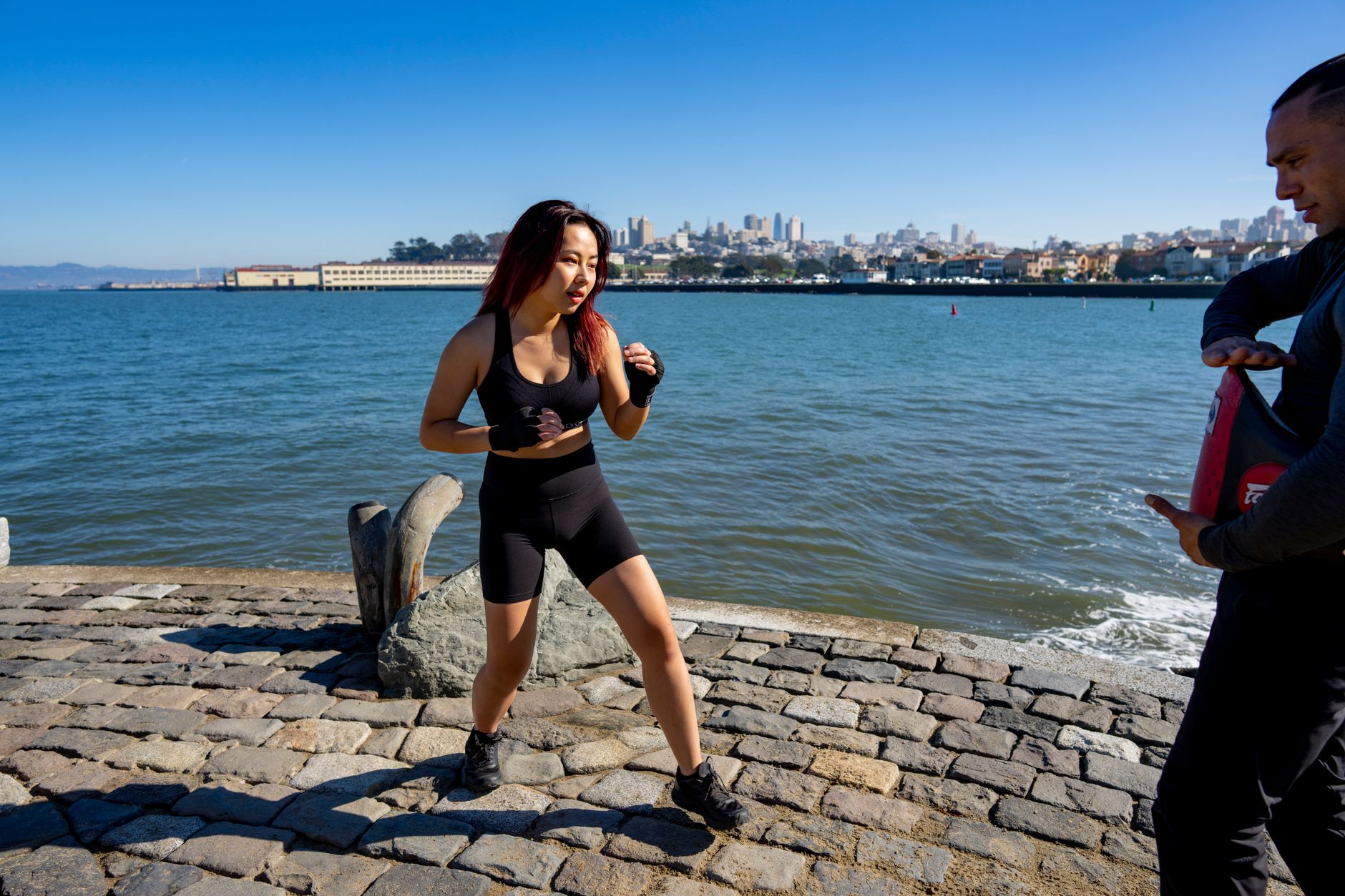
San Francisco yoga studios logged more than 1.2 million class bookings in 2025, according to ClassPass data released this spring, and that number is trending higher through the first half of 2026. The city now counts over 200 registered yoga studios, from intimate Noe Valley storefronts to sprawling wellness centers anchored off Market Street. The sheer volume of options — hot yoga, aerial yoga, yin, restorative, ashtanga, kundalini — has left newcomers genuinely bewildered about where to start.
That confusion matters more than it used to. Bay Area mental health practitioners have spent much of the past year pointing patients toward structured movement practices as a complement to therapy, partly driven by a 2024 UCSF study that linked consistent yoga practice to measurable reductions in cortisol levels after eight weeks. The city's wellness culture has long been an early adopter, but a proliferation of styles without a clear entry map can push people away before they ever find a mat that fits.
Vinyasa is where most San Franciscans start, and for good reason. It links breath to movement in continuous sequences — physically demanding, mentally absorbing, and offered at nearly every studio in the city. Yoga Tree, which operates locations on Divisadero Street in the Lower Haight and on Valencia Street in the Mission, runs vinyasa classes seven days a week starting at $25 a drop-in session. It suits people who already run the Panhandle or cycle the Bay Trail and want a movement practice that mirrors that cardiovascular rhythm.
Ashtanga is vinyasa's more disciplined older sibling. The sequence never changes — same 41 postures, same order, every time — which makes it ideal for analytical personalities who want a fixed framework. Ashtanga Yoga San Francisco, based in the Richmond District near Arguello Boulevard, offers a Mysore-style program where practitioners work at their own pace within a supervised room. Expect to commit: most serious practitioners show up six mornings a week by 6:30 a.m.
Yin yoga operates at the opposite end of the spectrum. Poses are held for three to five minutes, targeting connective tissue rather than muscle. It pairs well with the kind of desk-bound, screen-heavy workweek common in SoMa and the Financial District. The Pad Studios on Townsend Street runs yin sessions specifically timed for the after-work crowd, with a 6:15 p.m. class that draws a reliable mix of tech workers and healthcare staff from UCSF's Mission Bay campus two blocks away.
Hot yoga — typically practiced in a room heated to 95–105°F — remains polarizing but deeply embedded in San Francisco's fitness culture. Bikram's original 26-posture sequence fell from grace after its founder's legal troubles, but the format survived under new branding. CorePower Yoga, with five Bay Area locations including a studio on Post Street in Union Square, runs heated classes that pack out Thursday evenings. Memberships run $89 a month. Practitioners swear by the detox effect; sports medicine clinicians at UCSF Medical Center caution that adequate hydration before class is non-negotiable.
Restorative yoga and yoga nidra — sometimes called yogic sleep — are worth knowing if stress management is the primary goal. These practices involve almost no muscular effort. Props like bolsters, blankets, and blocks support the body completely while the nervous system downshifts. Insight Meditation Center in the Mission offers yoga nidra sessions integrated with their broader mindfulness programming, currently scheduled every other Saturday morning.
Kundalini, with its chanting, breathwork, and white clothing tradition, has a devoted following around the Haight-Ashbury neighborhood and is genuinely unlike anything else on this list. New students often find it strange. Regular practitioners describe it as the most neurologically disruptive practice available without a prescription.
The practical advice from instructors across the city is consistent: try three different styles before deciding you hate yoga, because the one that bored you on Tuesday might unlock something on Friday morning. Most San Francisco studios offer a two-week unlimited introductory pass — typically $30 to $40 — which is enough time to sample the spectrum. If you have an existing injury or a chronic condition, check with your physician or a UCSF physical therapist before signing up for anything heated or high-impact.
How does this story make you feel?
Spread the word
About this article
Published by The Daily San Francisco
Daily brief
Free, in your inbox before 7am. Weekdays.
More in Wellness