Staying Mobile After 60: Evidence-Based Tips That Actually Work for San Francisco's Terrain
Our city's hills and microclimates demand a smarter approach to active ageing—here's what the science says works.
Our city's hills and microclimates demand a smarter approach to active ageing—here's what the science says works.

Listen to this article · 3:42
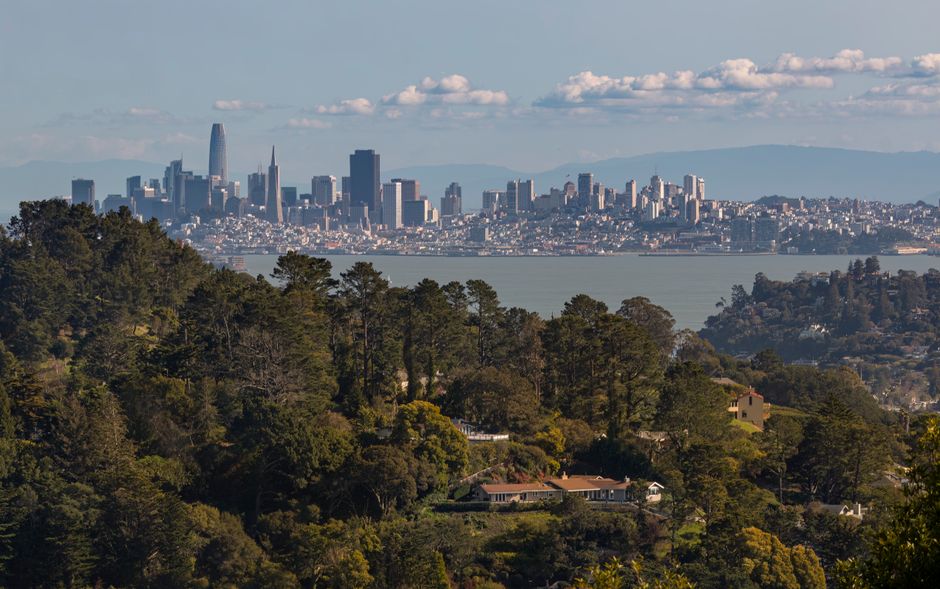
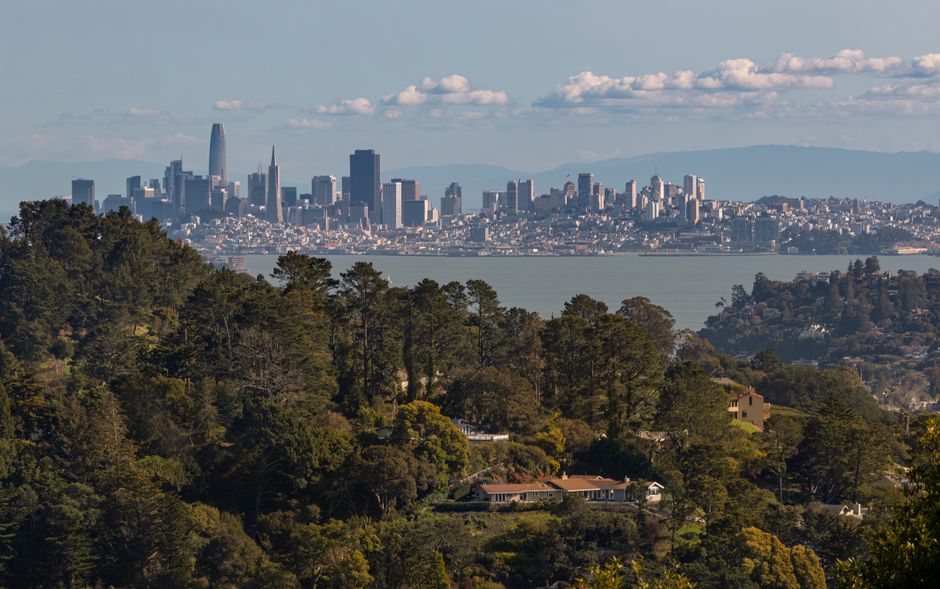
San Francisco's topography is unforgiving. A casual stroll through the Mission District involves elevation changes that would challenge most fitness enthusiasts, let alone adults navigating the mobility shifts that come after 60. Yet our city's unique geography—combined with research from UCSF and real-world data from local wellness organizations—offers actionable insights for maintaining strength and independence on our particular terrain.
Start with what exercise scientists call "functional fitness." Rather than generic gym routines, focus on movements that directly support daily life in San Francisco. Walking the Bay Trail from the Ferry Building to Crissy Field mirrors the balance and endurance demands of neighbourhood exploration. Research consistently shows that 150 minutes of moderate aerobic activity weekly—achievable through local walking routes—reduces fall risk by up to 30% in adults over 65. The key: vary your surfaces. Alternating between the paved Embarcadero and the uneven terrain near Land's End builds proprioception in ways flat paths cannot.
Strength training matters more than many realize. UCSF studies indicate that twice-weekly resistance work prevents the muscle loss that accelerates mobility decline. The good news: you don't need an expensive gym membership. Many San Francisco Parks and Recreation centers offer affordable strength classes; the Ocean Beach Rec Center charges under $100 monthly for seniors. Bodyweight exercises—squats, step-ups on your front stairs, wall push-ups—are equally effective and free.
Don't overlook the environmental factor. San Francisco's famous fog and microclimates create real challenges. Morning mist near the Marin Headlands reduces visibility; the concrete in North Beach can be slippery. Local orthopaedic specialists recommend investing in proper footwear—shoes with aggressive treading and ankle support—not as luxury but as essential injury prevention. Budget $120–150 for quality walking shoes; one prevented fall saves thousands in medical costs.
Finally, consider community. The San Francisco Senior Center on Van Ness Avenue and programmes through District recreation centers offer group hiking, water aerobics, and mobility classes specifically designed for older adults navigating Bay Area conditions. Social engagement during exercise improves adherence by 40%, according to gerontology research.
The evidence is clear: successful ageing in San Francisco requires meeting the city's demands head-on with targeted, locally-informed strategies. Your mobility at 70 depends less on genetics than on starting now with approaches proven to work in our specific environment.
For personalized guidance, consult your doctor or a physical therapist at UCSF or a local clinic.
This article was compiled by AI and screened before publishing. See our editorial standards.
How does this story make you feel?
Spread the word
About this article
Published by The Daily San Francisco
Daily brief
Free, in your inbox before 7am. Weekdays.
More in Wellness