Senior Mobility Exercises San Francisco: Daily Habits That Work
Discover how San Francisco seniors maintain independence through simple, consistent daily routines. Local experts and UCSF research reveal evidence-based mobility practices.
Discover how San Francisco seniors maintain independence through simple, consistent daily routines. Local experts and UCSF research reveal evidence-based mobility practices.
Listen to this article · 3:54
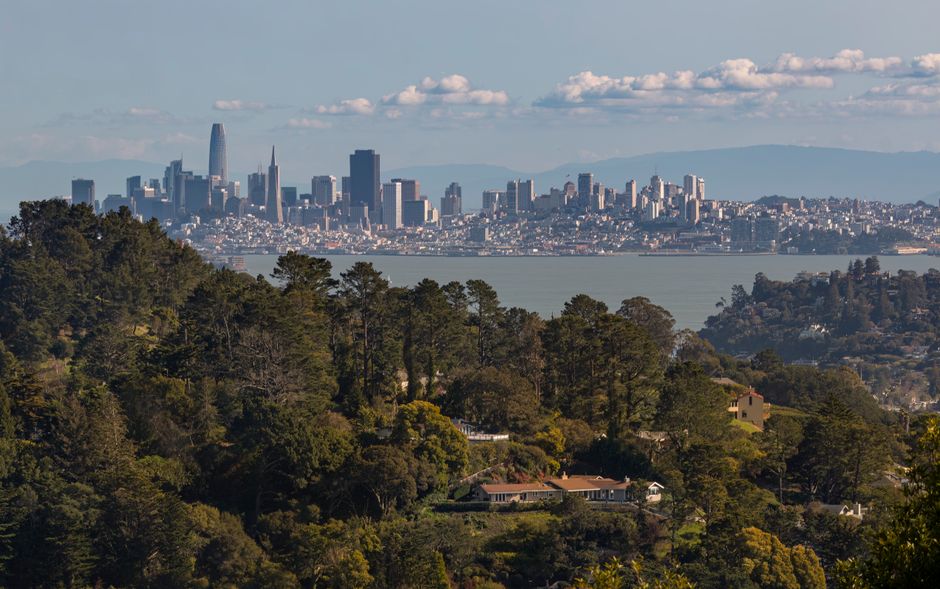
At 6:45 a.m., before the fog lifts over the Marin Headlands, Margaret Chen laces her shoes for a 45-minute walk along the Bay Trail near the Embarcadero. She's not training for anything. She's maintaining. At 72, Chen has discovered what San Francisco's most resilient seniors know: consistency beats intensity, and the right daily habits compound into decades of continued independence.
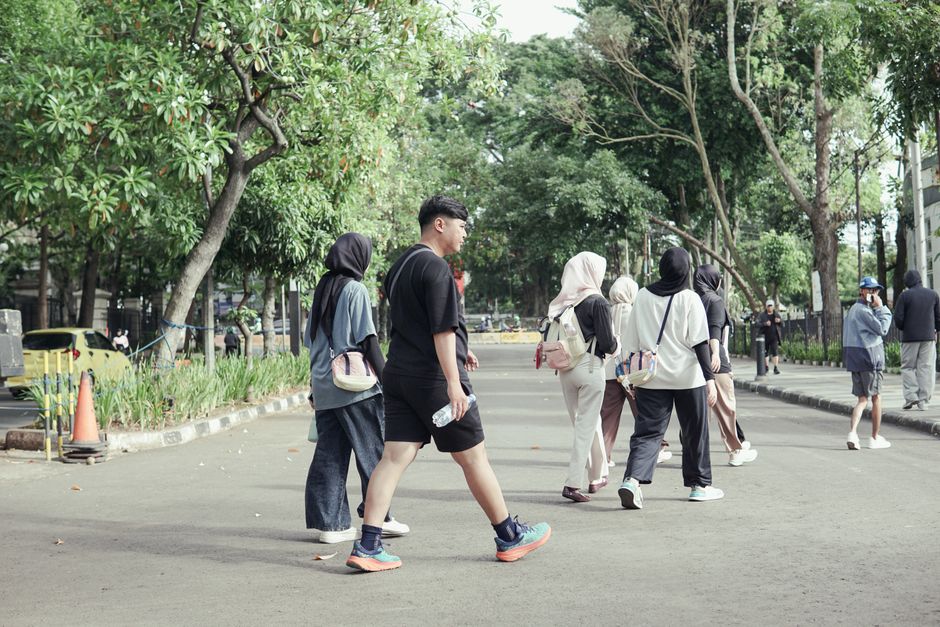
The city's active aging movement isn't about fitness challenges or wellness retreats. It's about the small, repeatable actions that locals have embedded into their lives—often without fanfare. UCSF researchers tracking Bay Area aging trends note that seniors who maintain regular, moderate-intensity movement show significantly better mobility outcomes than those who exercise sporadically or intensely. The sweet spot: 30 minutes most days, at a conversational pace.
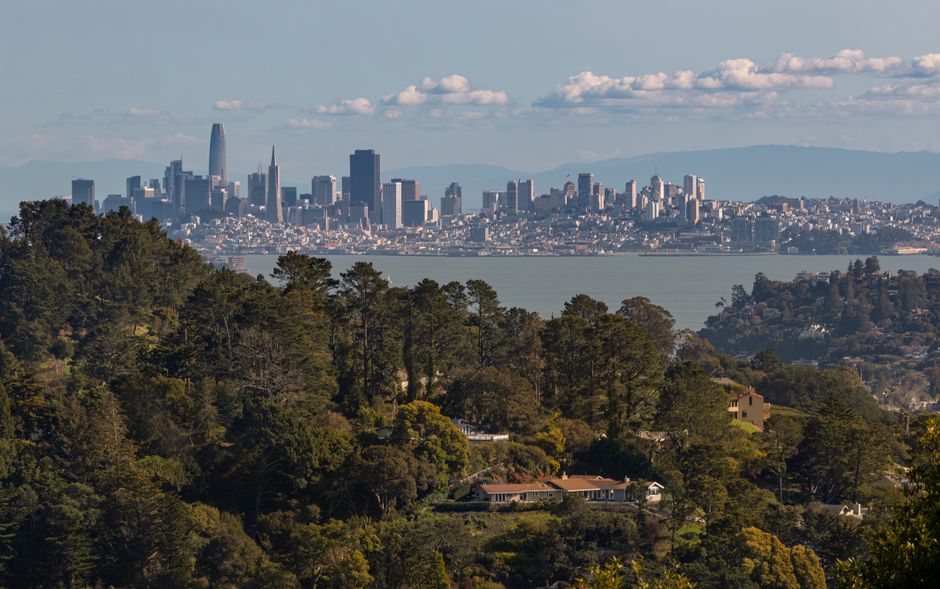
For San Francisco residents, this translates into practical habits shaped by geography. Stair climbing is unavoidable on Russian Hill or Pacific Heights; locals joke that their neighborhoods provide free strength training. The 49-mile scenic route around the city has become a de facto physical therapy loop for cyclists over 60, particularly those living near the Marina or Presidio. Golden Gate Park's flat pathways and measured distances offer accessibility without monotony.
Beyond structured exercise, successful agers focus on what UCSF geriatricians call "purposeful movement"—activity embedded in daily life rather than cordoned off as exercise. This might mean parking farther away on Valencia Street, taking stairs at the Civic Center BART station, or standing during phone calls. These micro-movements, repeated daily, preserve the neuromuscular coordination that prevents falls.
Local physical therapy clinics in neighborhoods like the Castro and Sunset District report a growing trend: preventive care. Many seniors work with physical therapists quarterly, not because they're injured, but because they're maintaining. A single session costs $75–$150 without insurance; many pursue this as aging insurance.
Flexibility and balance—often overlooked—emerge as critical. Tai chi classes at Chinese cultural centers throughout the Richmond District and beginner yoga at community centers cost $5–$15 per session. These practices target proprioception, the body's spatial awareness, which is foundational to injury prevention.
The pattern emerging from San Francisco's most mobile seniors isn't revolutionary: walk somewhere purposeful, use stairs without avoiding them, maintain friendships that require in-person visits, and periodically assess your physical capacity with professionals. These habits don't require expensive equipment or time-intensive training. They require showing up, consistently, to the ordinary demands of an active life.
For personalized mobility guidance, consult a healthcare provider at UCSF or your neighborhood clinic.
This article was compiled by AI and screened before publishing. See our editorial standards.
How does this story make you feel?
Spread the word
About this article
Published by The Daily San Francisco
Daily brief
Free, in your inbox before 7am. Weekdays.
More in Wellness