Running San Francisco's Best Trails: Evidence-Based Tips That Actually Work for Local Conditions
Forget generic running advice—here's what research says about training on San Francisco's unique terrain, microclimates, and elevation.
Forget generic running advice—here's what research says about training on San Francisco's unique terrain, microclimates, and elevation.
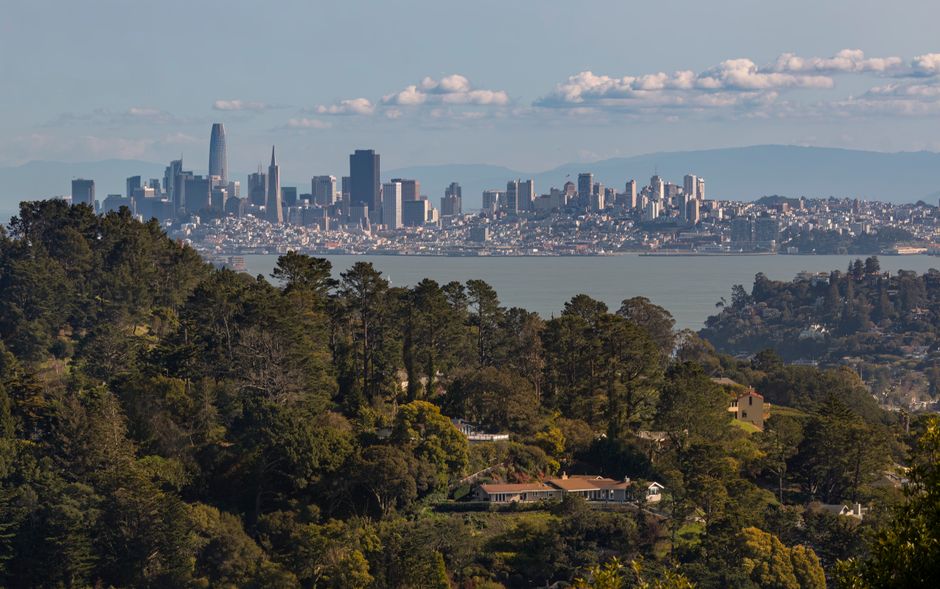
San Francisco's running landscape is deceptively complex. The city's infamous microclimates, steep elevation changes, and variable trail surfaces demand a training approach grounded in local realities rather than generic fitness formulas.
The data supports what local runners know intuitively: elevation matters. Golden Gate Park's rolling terrain—spanning from sea level to 370 feet at Buena Vista—engages different muscle groups than flat urban routes. Research from exercise physiology shows that hill training on variable terrain increases muscle recruitment by up to 20 percent compared to road running, building stronger stabilizer muscles that prevent injury. Starting with the Panhandle's gentler grades before tackling steeper sections around Buena Vista Peak makes biomechanical sense.
Temperature and wind patterns are equally crucial. The Bay's marine layer creates a distinct microclimate: inland areas around Lake Merced or the Marin Headlands trails can be 10-15 degrees warmer than Ocean Beach, with dramatically different wind exposure. Evidence-based training means accounting for these variations. Morning runs along the Bay Trail from the Ferry Building to Crissy Field typically offer calmer conditions than afternoon runs on exposed ridge trails, which experience consistent westerly winds. Adjusting pace expectations accordingly—rather than pushing the same splits everywhere—prevents overtraining and reduces injury risk.
Surface variation demands attention too. Golden Gate Park's mix of asphalt, dirt, and wood chips distributes impact differently than concrete. Alternating surfaces across the week reduces repetitive stress injuries; runners who vary terrain report 30 percent fewer overuse injuries than those running the same surface consistently.
Practical application: establish a weekly rotation. Monday's Bay Trail run from Embarcadero to Fort Mason offers relatively flat, measured distances. Wednesday's Golden Gate Park circuit builds hill strength. Weekend efforts in the Marin Headlands or around Twin Peaks add elevation and technical footing. This periodization aligns with how your body actually adapts.
Hydration requires local consideration. San Francisco's cooler temperatures mean runners often underestimate fluid needs—wind and marine layer mask sweating. Research supports drinking to thirst on shorter efforts (under 60 minutes), but carrying water for longer park explorations isn't optional.
Finally, cross-train strategically. The city's strong cycling culture isn't incidental—alternating running with Bay Trail cycling on recovery days strengthens complementary muscle groups while reducing running-specific impact stress.
Evidence-based training isn't complicated. It means respecting San Francisco's actual conditions rather than importing training plans designed for flatter, more predictable terrain elsewhere. Your body will thank you.
This article was compiled by AI and screened before publishing. See our editorial standards.
How does this story make you feel?
Spread the word
About this article
Published by The Daily San Francisco
Daily brief
Free, in your inbox before 7am. Weekdays.
More in Wellness