Silicon Valley's Secret: How Senior Wellness and Active Aging Are Reshaping San Francisco Neighborhoods
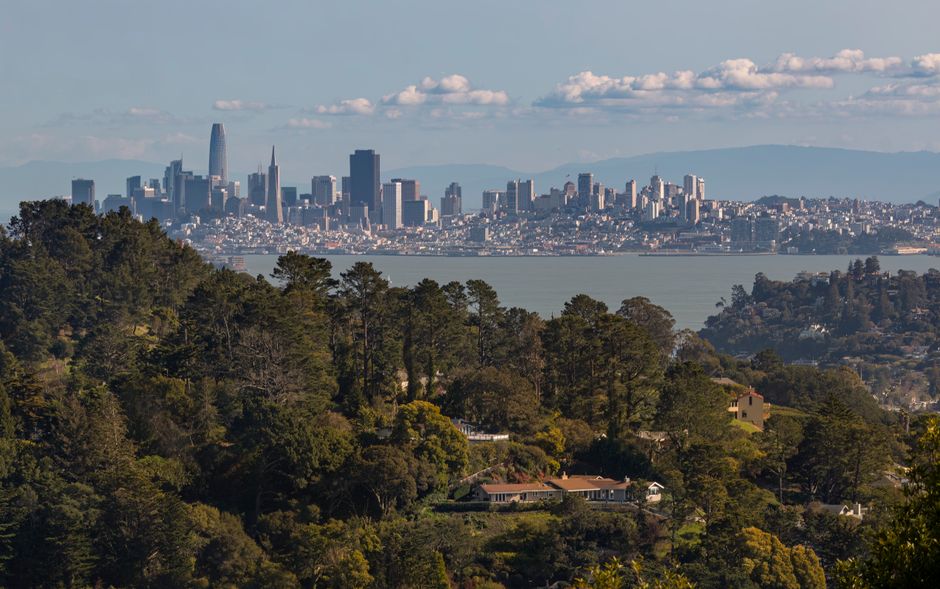
From Marin Headlands to the Embarcadero, a quiet revolution in how older adults stay mobile is transforming the city's fitness culture.
From Marin Headlands to the Embarcadero, a quiet revolution in how older adults stay mobile is transforming the city's fitness culture.
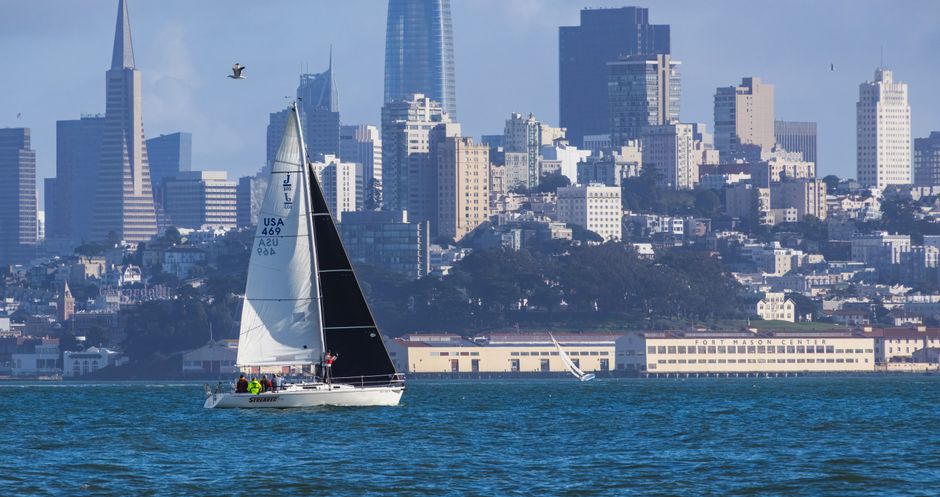
Walk along the Embarcadero on any Saturday morning and you'll notice a shift in who's moving through San Francisco's streets. Where jogging culture once belonged almost exclusively to the under-40 crowd, you'll now see seventy-somethings tackling the Bay Trail on e-bikes, groups of older adults gathering for low-impact aquatic fitness at the facilities near Fort Mason, and hiking clubs with average ages creeping steadily upward as they tackle the Marin Headlands.
This isn't coincidence. San Francisco is experiencing a measurable surge in senior-focused active aging programs, driven partly by demographic shifts—the city's population aged 65 and older has grown approximately 15% over the past five years—and partly by a wellness industry reckoning with how mobility and longevity actually work.
"We're seeing demand that's hard to keep up with," says the director of programs at one of the city's major senior centers, where classes in tai chi, adaptive strength training, and balance work now have waitlists running 6-8 weeks. The YMCA locations on Market Street and the Presidio have both expanded their older-adult programming, recognizing that "senior fitness" is no longer niche.
UCSF's Division of Geriatrics has become an unlikely hub for this movement, publishing research on neighborhood-based mobility interventions and working with community organizations across the Mission, Richmond, and Sunset districts to make movement more accessible. Their findings suggest that consistent, low-intensity activity beats sporadic intense exercise for maintaining independence—a message that's finally resonating citywide.
The economics tell the story too. Boutique studios catering to active older adults have quietly proliferated. Classes emphasizing joint protection and functional movement—the kind that helps you carry groceries up the steps of a Noe Valley Victorian without pain—now charge $25-35 per session, filling studios across SoMa and the Financial District.
What's particularly San Francisco about this trend is how it's integrating with the city's existing wellness culture rather than creating parallel infrastructure. Golden Gate Park's running trails now attract multigenerational groups. The Richmond District's many yoga studios have added "gentle" and "mobility" options that appeal to older bodies without the stigma of "senior" classes.
For San Francisco, a city that's long positioned itself as a wellness pioneer, this shift represents something deeper: recognition that active aging isn't about defying age, but about designing movement that works with how bodies actually change. That's a lesson worth spreading far beyond the Bay.
This article was compiled by AI from the sources linked above and screened before publishing. See our editorial standards.
How does this story make you feel?
Spread the word
About this article
Published by The Daily San Francisco
Daily brief
Free, in your inbox before 7am. Weekdays.
More in Wellness