How to Start a Walking Group in Your Neighborhood
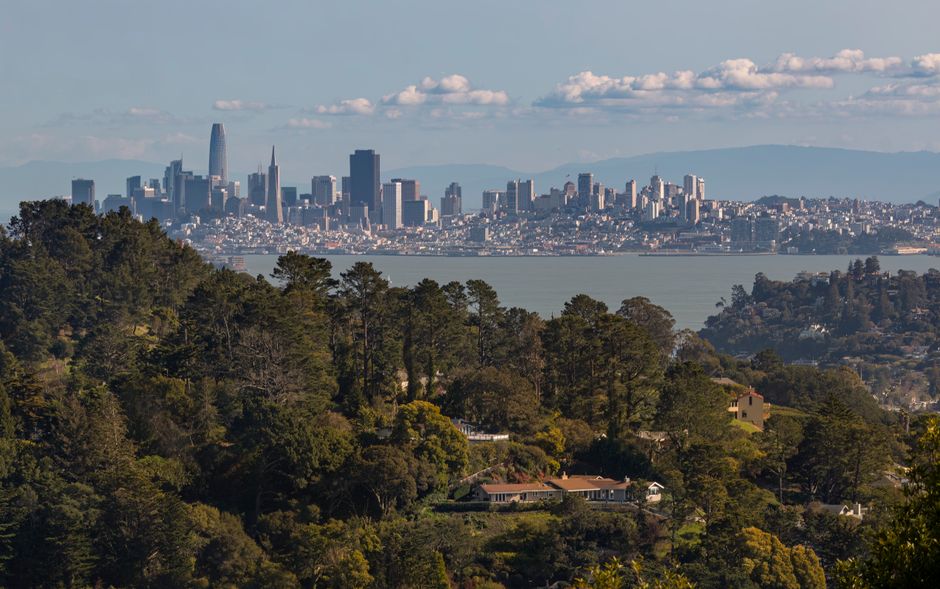
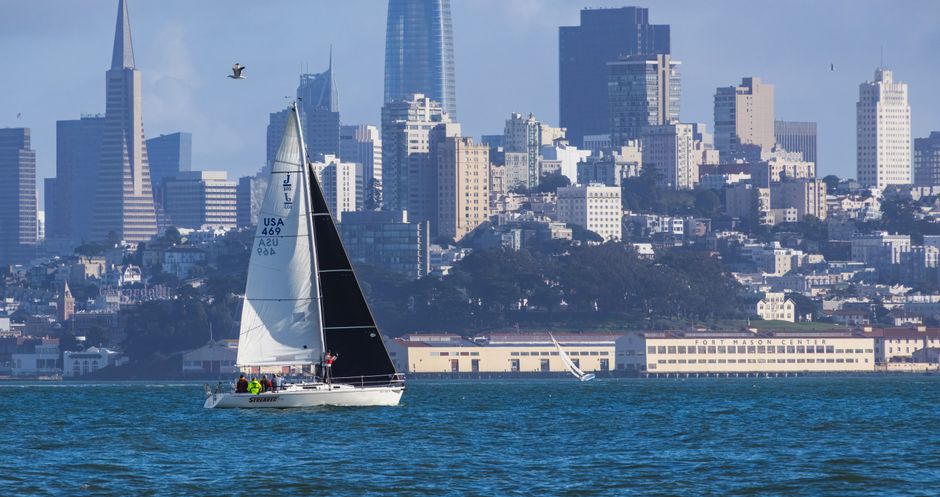
San Francisco's most vibrant fitness communities often begin with a simple invitation and a familiar street corner.
San Francisco's most vibrant fitness communities often begin with a simple invitation and a familiar street corner.
Walking groups have quietly become one of San Francisco's most accessible fitness trends. Unlike the high-intensity studio culture that dominates neighborhoods like SOMA and the Mission, walking groups require no equipment, no membership fee, and no prior fitness level—just neighbors willing to move together. If you've noticed others gravitating toward group fitness, starting your own walking club might be easier than you think.
The first step is identifying your route. San Francisco's topography offers natural gathering points: the flat stretches along the Embarcadero, the gentle slopes through the Presidio, or the accessible paths in Golden Gate Park near the Conservatory of Flowers. Choose somewhere local to your neighborhood—the Haight-Ashbury commercial corridor, the Sunset District's Irving Street, or along the Bay Trail in the Marina. A 30-to-45-minute loop works well for mixed fitness levels. Walk it yourself first, noting water fountains, benches, and bathroom access.
Next, establish a consistent schedule. Tuesday or Thursday evenings at 6 p.m., or Saturday mornings at 9 a.m., tend to attract steady participation. Consistency builds habit; people will remember when you meet. A Nextdoor neighborhood post costs nothing and reaches exactly the people within walking distance of your route. Include the start location (a specific storefront or park entrance), the day and time, and the estimated duration. Facebook groups remain popular for San Francisco fitness communities; search your neighborhood and post there too.
Set realistic expectations for pace and inclusivity. Frame your group as a social walk rather than a fitness event—this invites people of all abilities. Build in a regular coffee stop afterward; many San Francisco walkers cite the post-walk conversation as the activity's real draw. Consider rotating the meeting spot to keep logistics fresh.
For slightly more structured engagement, check whether organizations like the Parks Conservancy or the San Francisco Recreation and Park Department offer group walk coordinators. Some neighborhoods have existing walking groups through libraries or senior centers worth connecting with rather than duplicating.
The barrier to entry is genuinely low. San Francisco's weather supports year-round walking, and most neighborhoods have enough interesting streets to sustain regular variety. Start with a single invitation to neighbors. Word spreads quickly in tight-knit communities. Within a few weeks, you may find you've created something your neighborhood didn't know it needed.
This article was compiled by AI from the sources linked above and screened before publishing. See our editorial standards.
How does this story make you feel?
Spread the word
About this article
Published by The Daily San Francisco
Daily brief
Free, in your inbox before 7am. Weekdays.
More in Wellness