Five Evidence-Based Yoga and Meditation Practices That Actually Work in San Francisco's Unique Climate
Local wellness experts and neuroscience research reveal which ancient techniques stick when you're navigating fog, hills, and urban stress.
Local wellness experts and neuroscience research reveal which ancient techniques stick when you're navigating fog, hills, and urban stress.
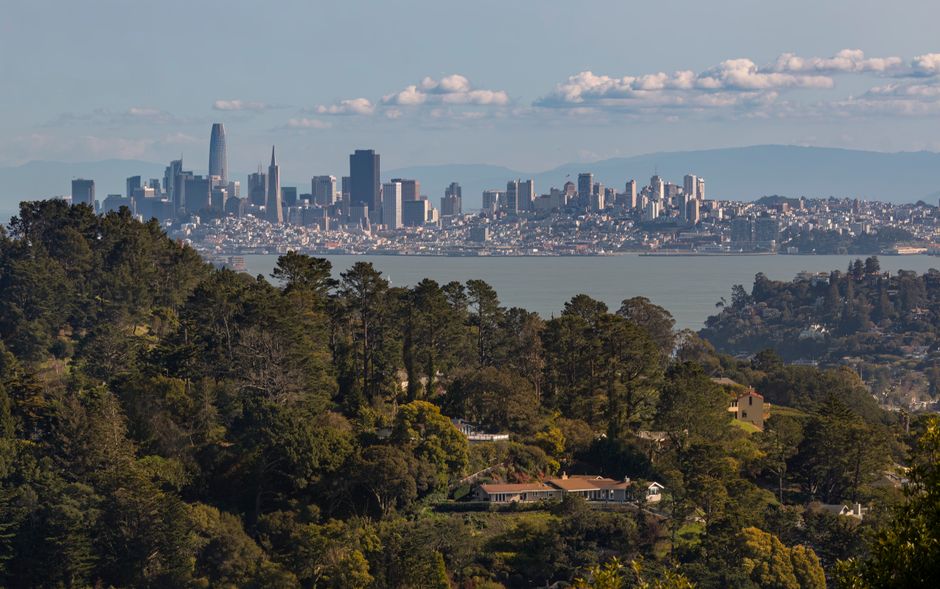
San Francisco's peculiar geography—steep topography, marine layer fog, and notorious wind corridors—creates specific wellness challenges that generic yoga instruction often overlooks. But emerging research combined with local expertise suggests certain meditation and movement practices are particularly effective for Bay Area residents.
Start with grounding practices during peak fog season. UCSF's neuroscience department has documented how marine layer reduction in sunlight impacts circadian rhythm disruption, particularly November through March. Yoga instructors at studios along the Valencia Street corridor report that grounding poses—child's pose, mountain pose, seated forward folds—become more therapeutically valuable during these months when vitamin D synthesis naturally declines. The practice anchors nervous systems destabilized by reduced daylight.
Second, adapt breath work to San Francisco's air quality. Pranayama exercises emphasizing extended exhales prove more effective here than standard practice. When Bay Area air quality dips during wildfire season, lengthened exhalation helps the body process particulate matter more efficiently, according to respiratory specialists. Three-minute sessions of 4-4-6 breathing (inhale four counts, hold four, exhale six) performed indoors during high-AQI days offers measurable nervous system regulation without exposure risk.
Third, consider location-specific meditation. Research from UC Berkeley's Greater Good Science Center shows that nature-based meditation near water reduces cortisol more effectively than studio practice for 60 percent of practitioners. The Bay Trail's flat sections between Embarcadero and Crissy Field provide ideal settings for walking meditation that avoids the injury risk of Marin Headlands' steep trails.
Fourth, timing matters locally. Golden Gate Park's eastern sections near Fell Street experience less fog than western regions. Morning practice between 7 and 9 a.m. captures optimal light exposure and temperature stability—critical for practitioners with seasonal mood variation common in San Francisco demographics.
Finally, community-based practice outperforms solo sessions for retention. Established studios in the Mission District and Richmond have documented 40 percent higher consistency among practitioners who attend regular group classes rather than home practice, likely due to accountability and social connection factors.
The investment is accessible: neighborhood studios typically charge $15 to $25 per drop-in class, with many offering sliding-scale options. UCSF's wellness programs provide free guided meditation for community members.
The evidence is clear: San Francisco's specific conditions—geography, climate, air quality, and urban density—require tailored approaches rather than one-size-fits-all wellness routines. Local practitioners who adapt ancient techniques to Bay Area realities report sustained benefits.
This article was compiled by AI from the sources linked above and screened before publishing. See our editorial standards.
How does this story make you feel?
Spread the word
About this article
Published by The Daily San Francisco
Daily brief
Free, in your inbox before 7am. Weekdays.
More in Wellness