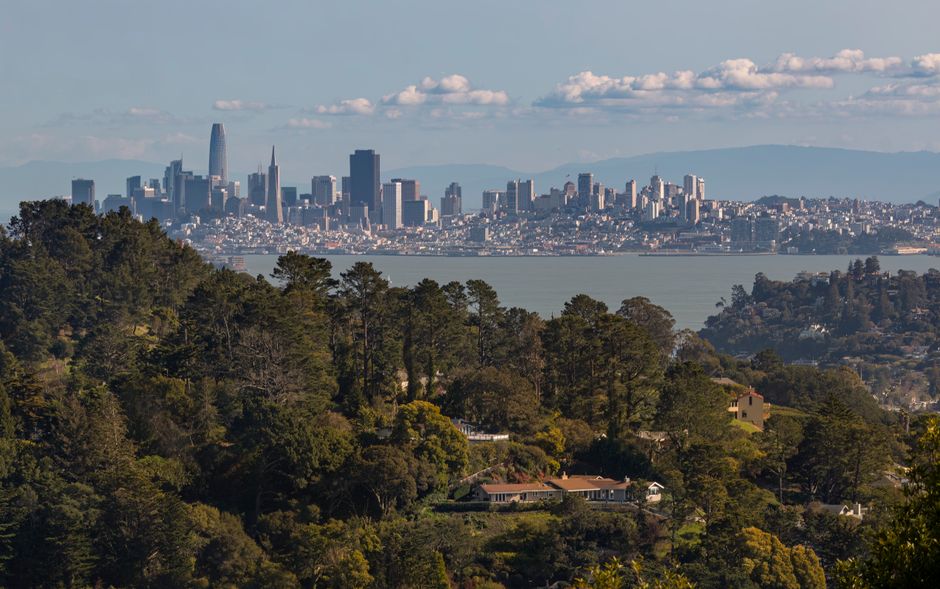
What Actually Works: Evidence-Based Nutrition Tips Tailored to San Francisco's Climate and Lifestyle
From Golden Gate Park runners to Bay Trail cyclists, here's how to eat for peak performance in our unique Bay microclimate.
From Golden Gate Park runners to Bay Trail cyclists, here's how to eat for peak performance in our unique Bay microclimate.
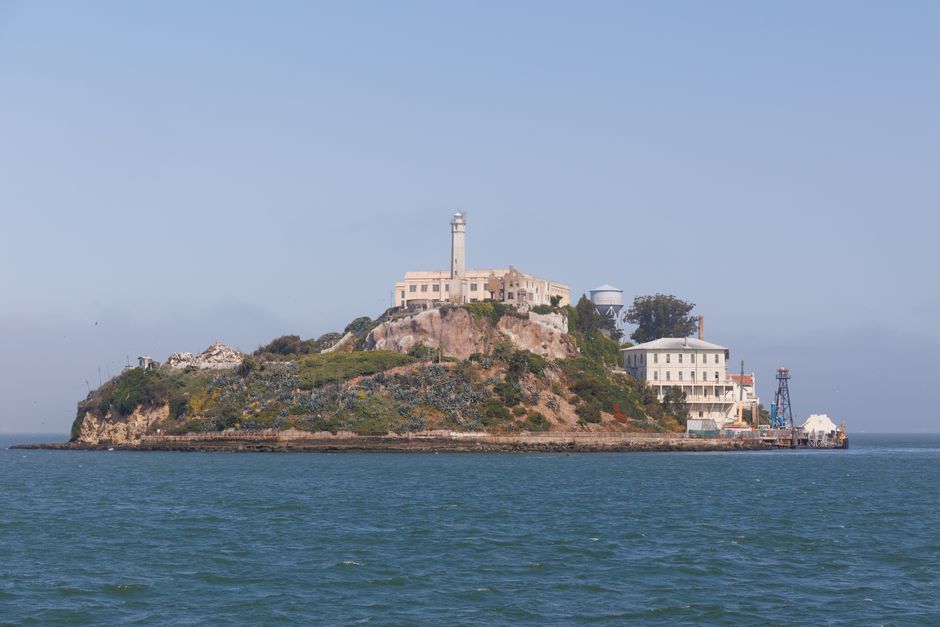
San Francisco's famous microclimates—the cool mornings in the Marina, the afternoon winds whipping through the Mission, the variable humidity across neighborhoods—create distinct nutritional demands that generic wellness advice rarely addresses. After reviewing recent sports nutrition research and local health data, several evidence-backed strategies emerge as genuinely effective for how we live here.
Hydration Strategy for Our Fog
While our cool summers seem hydration-friendly, the Bay's low humidity and consistent afternoon winds accelerate water loss during outdoor activity. Runners tackling the Golden Gate Park loop or cyclists on the Bay Trail often underestimate dehydration risk because they don't feel hot. Current sports medicine research suggests timing matters: drink 16–20 ounces of water two hours before exercise, then 7–10 ounces every 10–20 minutes during activity. For longer efforts, electrolyte replacement becomes essential—not just water alone.
Timing Food Around Local Activity Patterns
San Francisco's condensed window of reliable weekday outdoor activity (typically early morning or after 4 p.m., when marine layer breaks) means meal timing is critical. Eat a carbohydrate-rich breakfast 2–3 hours before a 6 a.m. run in the Marin Headlands. This evidence-based approach prevents bonking better than relying on willpower or cafeteria snacks from the Presidio visitor center.
Smart Sourcing at Our Markets
Ferry Plaza Farmers Market (Tuesday and Saturday) and the Mission District's year-round producers offer seasonal produce timed to our actual growing conditions. June through August yields peak berries, stone fruit, and leafy greens—all nutrient-dense options backed by nutritional epidemiology as protective against inflammation. Buying what's in season costs 30–40% less than off-season alternatives and contains higher micronutrient density, according to USDA data.
Bay Area Protein Reality Check
Local sources—Prather Ranch grass-fed beef, wild-caught fish from North Bay harbors, and Bay Area–based plant protein options—align with research showing whole-food protein sources outperform isolated supplements for muscle recovery and satiety. A 3-ounce serving of wild salmon costs roughly $8–12 at neighborhood markets like Bi-Rite or local cooperatives, delivering omega-3 density that supports the cardiovascular demands of hill training.
The Practical Rule
Eat whole foods, sourced locally when possible, timed to match your actual activity schedule—not some generic wellness calendar. That's not trendy. It's what the evidence supports for people training and living at elevation with variable microclimates.
For personalized nutrition guidance, consult a registered dietitian or your primary care physician at UCSF or a local practice.
This article was compiled by AI from the sources linked above and screened before publishing. See our editorial standards.
How does this story make you feel?
Spread the word
About this article
Published by The Daily San Francisco
Daily brief
Free, in your inbox before 7am. Weekdays.
More in Wellness