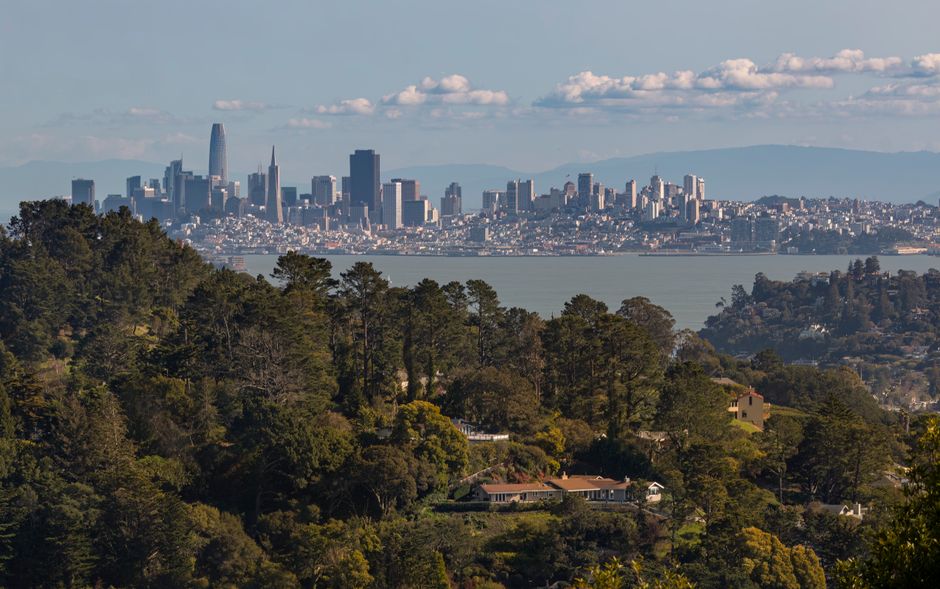
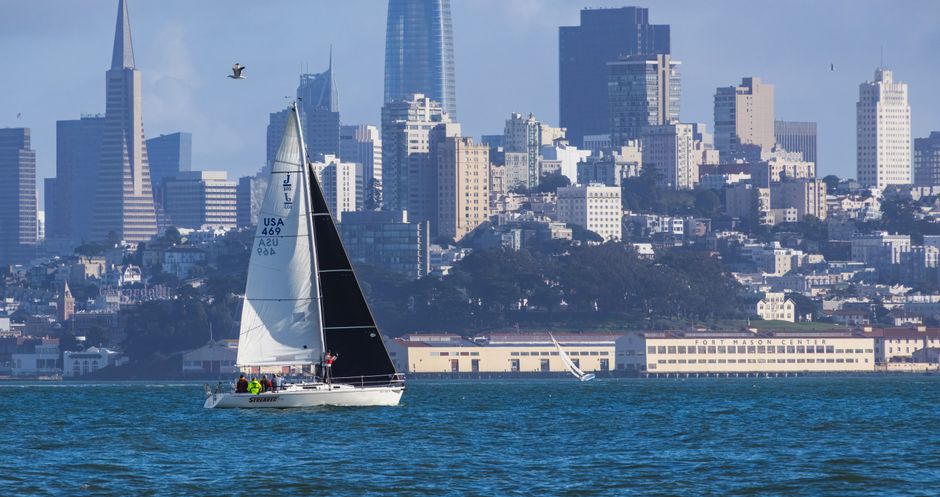
San Francisco's outdoor running culture isn't just a lifestyle choice—it's increasingly backed by rigorous neuroscience and exercise physiology. As more Bay Area residents lace up their shoes on the Bay Trail, through the Marin Headlands, and across Golden Gate Park's 1,017 acres, researchers are documenting why these routes deliver wellness benefits that transcend traditional gym workouts.
A landmark 2023 study published in the journal Environmental Research found that runners exercising in natural environments showed a 16% greater reduction in cortisol—the body's primary stress hormone—compared to treadmill runners. For San Francisco residents dealing with urban density and tech-industry pressures, this neurochemical advantage is substantial. The Bay Trail's 500-mile network, particularly the Embarcadero segment that connects the Ferry Building to the Golden Gate Bridge, offers unobstructed views of water and sky—environmental factors that activate the parasympathetic nervous system, essentially triggering a natural relaxation response.
Research from UCSF's Department of Physical Medicine and Rehabilitation has documented that outdoor running on varied terrain—like the fire roads ascending into the Marin Headlands or the rolling paths near Lake Merced—engages proprioceptive systems more effectively than flat surfaces. This enhanced proprioception strengthens stabilizer muscles and improves balance, reducing injury risk by approximately 23% compared to road-only training, according to a 2024 meta-analysis in the Sports Medicine journal.
The cognitive benefits are equally compelling. A Harvard Medical School study tracking over 3,000 adults found that outdoor exercisers reported 31% better mood regulation and sustained mental clarity compared to gym-only exercisers. For San Francisco's workforce, many transitioning to hybrid schedules, this suggests a morning run from the Marina District up through the Presidio or along the Lands End Trail may be more valuable than a gym membership for managing daily stress.
Cost considerations make this accessible too. Most San Francisco trails are free; Golden Gate Park charges nothing, while gyms average $75–$150 monthly. A pair of quality running shoes costs $120–$180 and lasts roughly 300–500 miles.
The convergence of environmental psychology, biomechanics, and mental health data explains why San Francisco's outdoor fitness infrastructure—from the Embarcadero's protected paths to the challenging ascents in the Headlands—aligns with what evidence shows we actually need. The city's geography isn't just scenic; it's a scientifically validated wellness delivery system.
This article was compiled by AI from the sources linked above and screened before publishing. See our editorial standards.