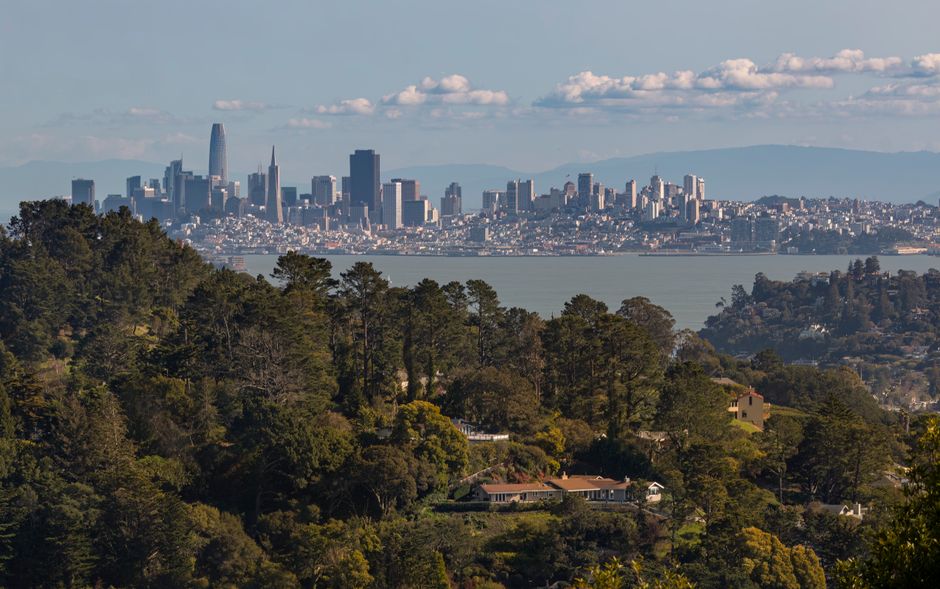
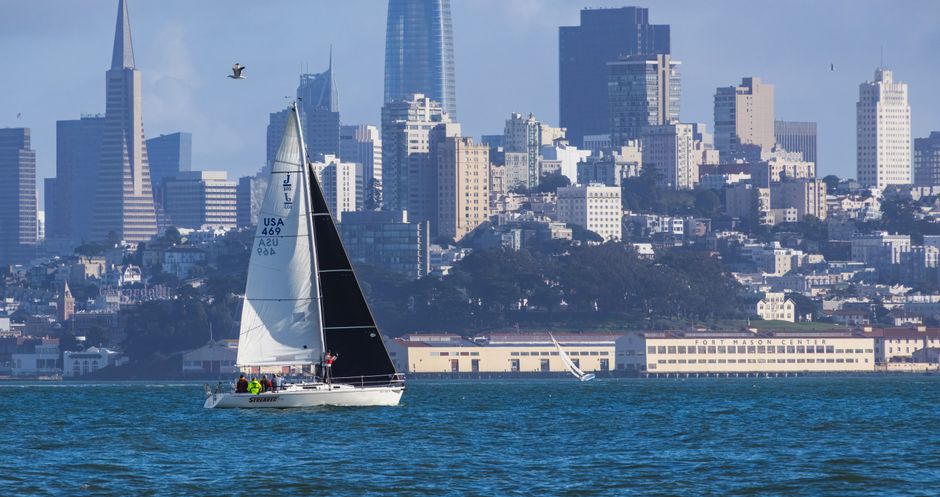
San Francisco's wellness culture has long celebrated the grind—early morning runs across the Golden Gate Bridge, lunch-hour cycling on the Bay Trail, weekend hikes through the Marin Headlands. But something is shifting. The city's health-conscious residents are increasingly recognizing that sleep and deliberate rest aren't luxuries; they're foundational to everything else.
This trend is reshaping how San Franciscans approach their routines. Sleep clinics in the Mission District and Hayes Valley are reporting waitlists extending six weeks or longer, while fitness studios from SOMA to the Marina are adding "recovery-focused" classes—stretching, breathwork, and restorative yoga—alongside their high-intensity offerings. One Marina-based wellness studio saw membership requests for evening wind-down sessions triple between 2024 and early 2026.
The shift reflects broader recognition that rest isn't passive. Dr. conversations at UCSF continue to emphasize sleep's role in cognitive function, immunity, and metabolic health. Local naturopaths and sleep specialists report that Bay Area professionals—particularly those in tech, finance, and medicine—are finally treating sleep deprivation as seriously as they once ignored joint strain.
Practical changes are visible across neighborhoods. In the Presidio, running clubs have added "low-intensity recovery days" to weekly schedules. Along the Embarcadero, evening Bay Trail users increasingly report preferring gentle walks to speed work. Sleep tracking has become mainstream; local gyms now offer sleep data analysis alongside traditional fitness metrics.
Mattress and bedding retailers throughout the city note increased foot traffic, particularly at locations near Nob Hill and Pacific Heights, where residents are investing in premium sleep environments. Blackout curtains, sleep-optimized temperature settings, and digital sunset reminders have become standard wellness conversations in neighborhoods that once only discussed calorie burns.
Meditation apps and sleep-focused podcasts have gained particular traction in San Francisco's commute culture, with residents using BART and Caltrain journeys for guided relaxation rather than work emails. Some employers, responding to local wellness trends, now offer sleep wellness stipends—a shift unthinkable just three years ago.
The city's wellness industry hasn't abandoned intensity. Rather, it's reframing the equation: better sleep means better performance during active hours. This philosophy aligns with UCSF research showing that recovery optimizes the benefits of exercise—and that true vitality comes from balance, not relentless output.
For San Francisco residents accustomed to measuring success through activity, this represents genuine cultural change. Rest, finally, is becoming aspirational.
This article was compiled by AI from the sources linked above and screened before publishing. See our editorial standards.