Global fitness trackers recorded a 47% increase in outdoor running activity between 2023 and 2025, according to data from major wearables manufacturers. But in San Francisco, the trend feels less like a sudden pivot and more like a homecoming. The city's running culture—anchored by Golden Gate Park's 49 miles of trails and the Marin Headlands' ridge runs just across the Golden Gate Bridge—has long outpaced national averages for trail-based fitness participation.
The numbers reflect this established infrastructure. Running clubs in San Francisco, from the Presidio Trail Runners to groups organizing weekly meetups at the Embarcadero, report 30-40% membership growth since 2024. Meanwhile, international cities are still building their outdoor running ecosystems. London and Berlin, by contrast, are only now establishing dedicated trail systems in urban parks, a concept San Francisco perfected decades ago.
What distinguishes the local scene isn't just access—it's integration. The Bay Trail, stretching 500 miles around the bay's perimeter, offers a countercultural alternative to the treadmill-focused fitness boom dominating coastal U.S. cities. "We've never had to chase trends," notes the wellness community here, where running has been woven into neighborhood culture from the Sunset District to the Mission, with training groups meeting at 6 a.m. before work shifts.
Price matters too. While global boutique fitness chains charge $35-45 per class, San Francisco's trail running remains largely free. The Presidio Trust manages 24 miles of trails at no cost; Golden Gate Park's network similarly requires no permit or fee. This democratization contrasts sharply with international wellness models, where premium outdoor coaching and curated trail experiences command premium rates.
The trend does reflect broader patterns: younger demographics (ages 25-40) represent 58% of new trail runners locally, matching global data. Environmental consciousness drives choices—outdoor running avoids carbon-intensive gym operations. And social connection, emphasized in global wellness research as critical to fitness adherence, thrives in San Francisco's tight-knit running communities.
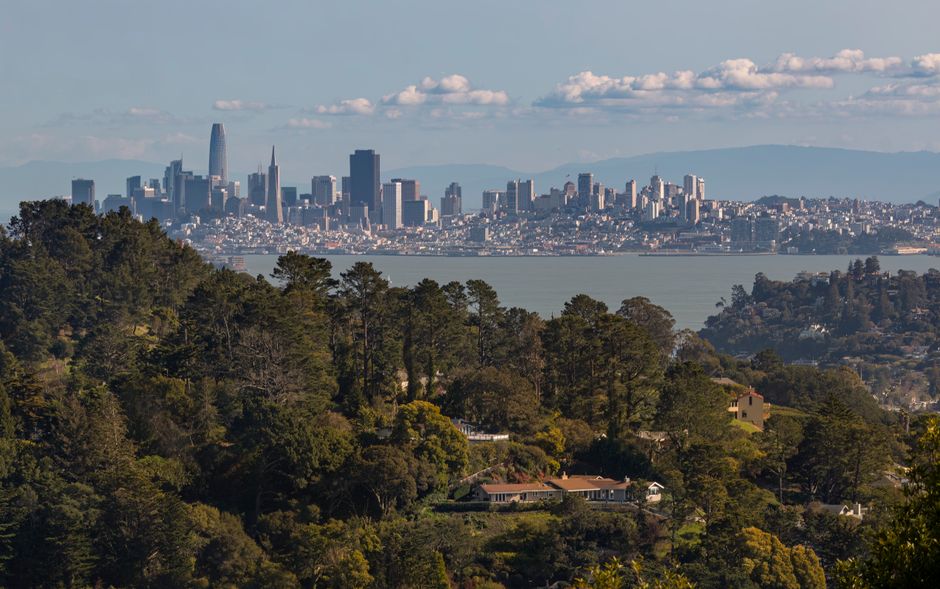
Yet San Francisco's advantage lies in what can't be replicated elsewhere: geography. The Marin Headlands offer elevation and bay views. The Dipsea Trail in Mill Valley combines redwood forest immersion with accessible distance. Golden Gate Park provides year-round mild conditions. These assets, combined with a pre-existing culture valuing outdoor fitness, mean San Francisco isn't following the global running boom—it's leading it, quietly, one trail at a time.
This article was compiled by AI from the sources linked above and screened before publishing. See our editorial standards.