From Desk Bound to Trail Ready: How San Francisco Runners Are Reclaiming Their Health
Local fitness communities are proving that transformation starts with a single step—and San Francisco's trails make it irresistible.
Local fitness communities are proving that transformation starts with a single step—and San Francisco's trails make it irresistible.
On any given Saturday morning, the Polo Field in Golden Gate Park pulses with runners of every fitness level. Some are training for marathons; others are rediscovering what their bodies can do after years of sedentary office work. This scene—repeated across the city's most beloved running corridors—tells a larger story about Bay Area wellness culture: that proximity to world-class trails and supportive local communities can fundamentally reshape how people move through life.
The statistics back this up. Running clubs across San Francisco have seen 40% membership growth since 2024, according to Bay Area running retailers. Organizations like the San Francisco Road Runners offer free Saturday morning events at various locations including Crissy Field, the Embarcadero, and through the Presidio—creating accessible entry points for beginners alongside competitive training groups. The Friday Night Runs from Justin Herman Plaza have become a cultural phenomenon, attracting hundreds weekly.
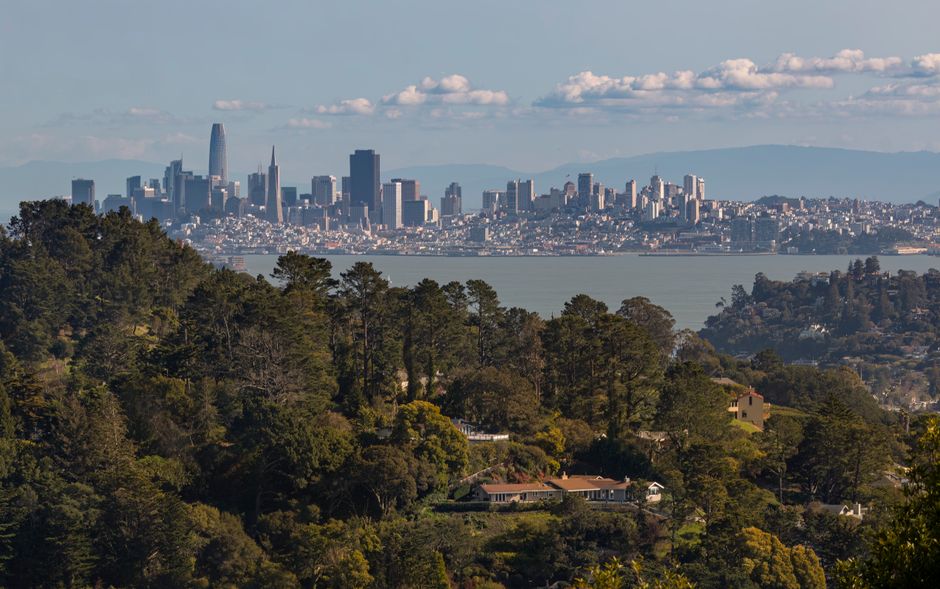
What makes these trails transformative isn't just their accessibility. The Marin Headlands—a 45-minute drive north—offers challenging elevation gain and sweeping Bay views that motivate runners to push further than they thought possible. The Bay Trail, extending from Candlestick Point along the waterfront to the Golden Gate Bridge, provides car-free miles of stunning scenery that make long-distance training feel less like work. Even neighborhood runs through the Presidio's tree-lined paths or around Lake Merced's 4.6-mile loop create natural gathering points for community building.
Local running specialty stores like Fleet Feet San Francisco and The Runner's Den provide gait analysis and personalized coaching—critical support for injury prevention. UCSF Sports Medicine, anchored in the city's medical research ecosystem, has positioned San Francisco as a place where runners can access world-class care and evidence-based training guidance.
The communities emerging around these spaces matter most. Facebook groups dedicated to neighborhood running routes, Strava clubs tracking progress on specific segments, and casual meetups at cafés near popular trailheads create accountability and friendship. For many San Francisco residents—tech workers, service industry staff, retirees, parents—this social dimension transformed occasional exercise into sustainable lifestyle change.
The beauty of San Francisco's running culture is its inclusivity. Whether you're navigating the steep hills of Telegraph Hill, exploring the quieter paths through the Presidio, or joining organized groups, transformation doesn't require expensive gym memberships or boutique fitness classes. It requires showing up, moving forward, and discovering that you're stronger than you believed.
This article was compiled by AI from the sources linked above and screened before publishing. See our editorial standards.
How does this story make you feel?
Spread the word
About this article
Published by The Daily San Francisco
Daily brief
Free, in your inbox before 7am. Weekdays.
More in Wellness