The Research Behind San Francisco's Senior Fitness Revolution
UCSF-backed studies show that targeted mobility work isn't just keeping older adults active—it's fundamentally rewiring how their bodies age.
UCSF-backed studies show that targeted mobility work isn't just keeping older adults active—it's fundamentally rewiring how their bodies age.
Walk along the Bay Trail in the early morning, and you'll notice something that research labs at UCSF are now documenting with precision: San Francisco's older adults aren't slowing down. They're strategically moving differently.
The shift reflects a growing body of evidence that challenges decades of aging assumptions. Rather than accepting decline as inevitable, gerontologists and exercise physiologists are discovering that intentional mobility work—stretching, balance training, and low-impact resistance—can meaningfully reverse some markers of aging itself.
"What we're seeing in the literature is that sarcopenia, the age-related loss of muscle mass, isn't destiny," explains research emerging from UCSF's Department of Physical Therapy and Rehabilitation Sciences. Studies tracking participants over five years show that seniors engaging in twice-weekly resistance and balance training maintain muscle density at rates comparable to people 20 years younger. The mechanism: resistance work triggers satellite cells in muscle tissue to activate and repair—a process that doesn't significantly decline with age, but rather with disuse.
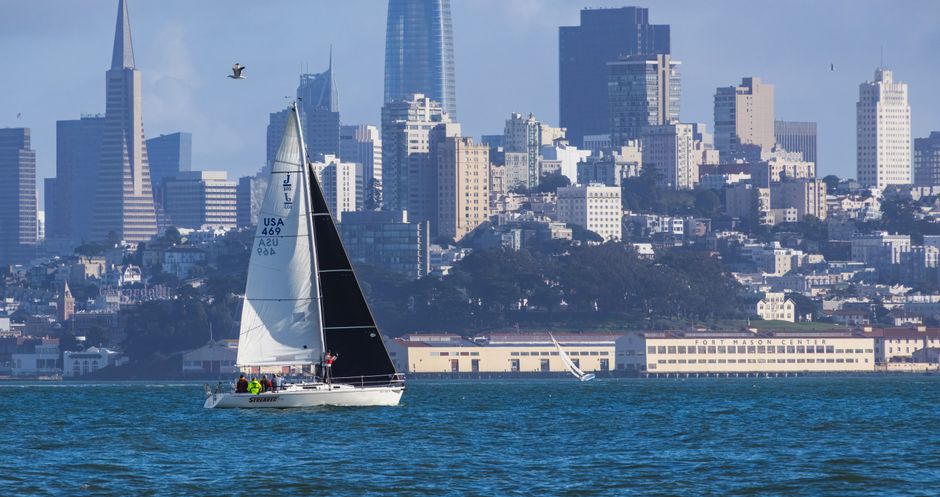
San Francisco's topography has inadvertently created a living laboratory. The steep grades of neighborhoods like Pacific Heights and the varied terrain of the Marin Headlands demand constant postural adjustment and proprioceptive engagement—exactly what mobility science now emphasizes. Local organizations like the Recreation and Park Department's senior programs at facilities near Fort Mason have adapted programming based on this research, shifting away from pure cardio toward functional movement patterns that mirror real-world demands.
One striking finding: balance training reduces fall risk by up to 46 percent, according to meta-analyses of randomized controlled trials. For the Bay Area's active older population—many hiking Lands End trails or cycling across the Golden Gate Bridge—this translates directly to injury prevention and maintained independence.
The economic implications matter, too. A single fall hospitalization averages $35,000 in medical costs. Prevention through mobility work costs roughly $15 per session through community centers on Chestnut Street in the Marina or the Sunset Recreation Center.
What distinguishes current research from earlier fitness trends is specificity. It's not about becoming an athlete. Gait analysis, carried out at UCSF's Movement Analysis Laboratory, shows that older adults who incorporate just 20 minutes of deliberate ankle mobility and hip flexibility work experience measurable improvements in walking efficiency within weeks—reducing fatigue and expanding the distance they can comfortably cover.
The takeaway resonates across San Francisco's health-conscious communities: mobility science reveals that how we move matters as much as whether we move at all. For this city's aging population, that distinction might mean the difference between watching the city's hills and walking them.
This article was compiled by AI from the sources linked above and screened before publishing. See our editorial standards.
How does this story make you feel?
Spread the word
About this article
Published by The Daily San Francisco
Daily brief
Free, in your inbox before 7am. Weekdays.
More in Wellness