SF Startups Battle Rising Costs, Funding Cuts in 2026
Venture capital pullback and regulatory hurdles strain Bay Area's startup ecosystem as operational expenses climb.
Venture capital pullback and regulatory hurdles strain Bay Area's startup ecosystem as operational expenses climb.
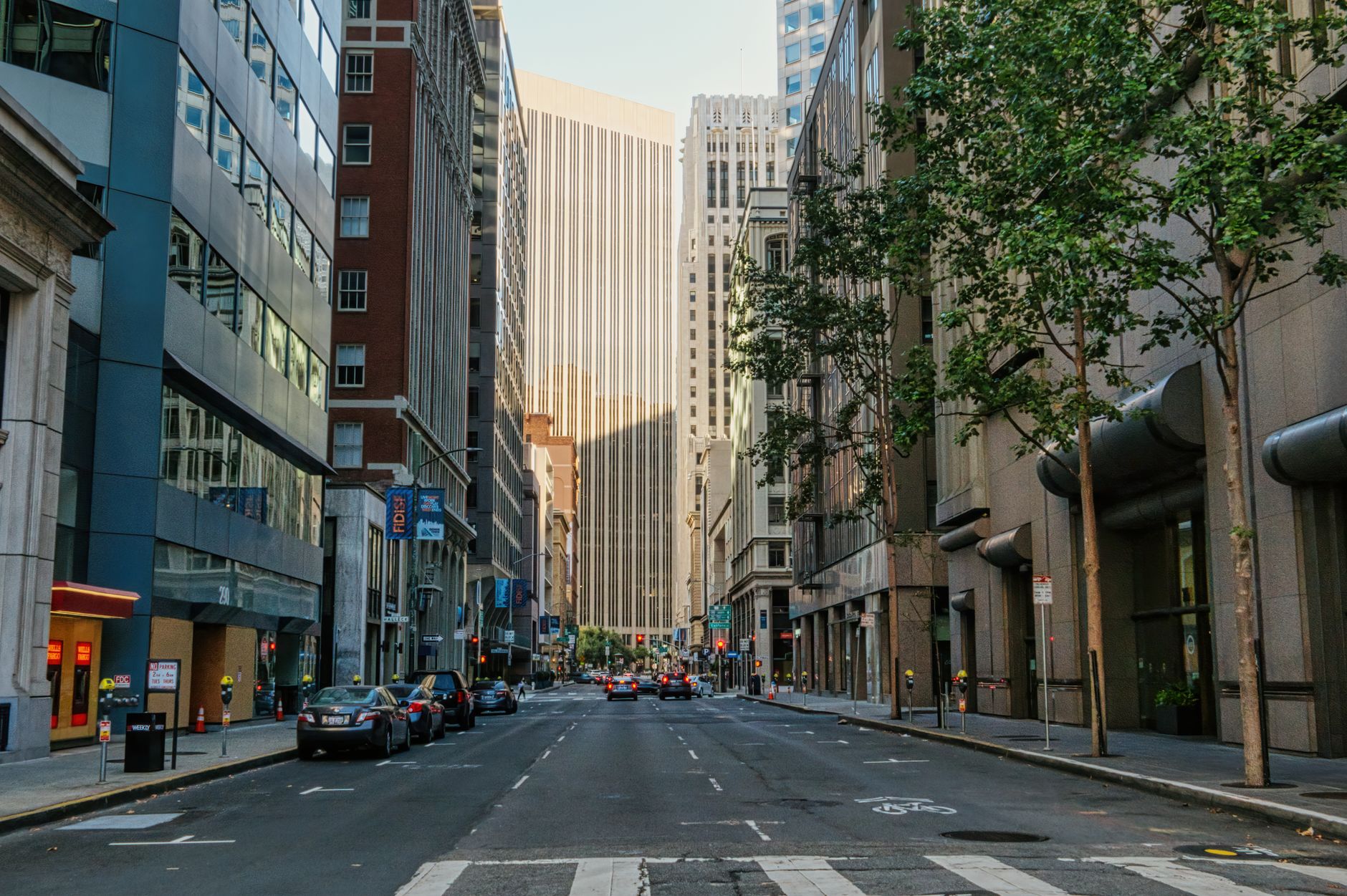
The gleaming office parks of South of Market and the converted warehouses along the Embarcadero that once symbolized San Francisco's boundless entrepreneurial ambition are facing an uncomfortable reckoning this year. Despite the city's continued status as a global innovation hub, startup founders and venture capitalists are grappling with a constellation of headwinds that threaten to reshape the local ecosystem.
Real estate costs remain stubbornly elevated, even as office vacancy rates in the SOMA district hover near 20 percent. A modest 2,000-square-foot startup suite on Harrison Street commands $8,000 to $10,000 monthly—pricing that strains early-stage companies burning through limited runways. Simultaneously, the talent recruitment competition has intensified. Engineering salaries in San Francisco have plateaued or declined slightly in real terms, yet competitors in Austin, Singapore, and Toronto are offering compelling alternatives with lower living costs.
Venture funding patterns reveal deeper structural concerns. According to recent data from regional investment tracking firms, Series A and B rounds in the Bay Area have contracted by approximately 15 percent year-over-year. The era of exuberant capital deployment has given way to investor caution, with established firms like those clustered on Sand Hill Road adopting longer evaluation periods and demanding clearer paths to profitability.
Regulatory headwinds add another layer of complexity. Local permitting timelines for hardware companies testing prototypes have extended to eight months in some cases, frustrating entrepreneurs eager to iterate quickly. Meanwhile, federal policy uncertainty around emerging technologies—artificial intelligence governance, cryptocurrency frameworks, biotech oversight—creates planning challenges for founders operating in these spaces.
The challenge is particularly acute for the city's iconic neighborhoods that have defined its startup culture. The Dogpatch, once a scrappy haven for pre-revenue founders, has seen commercial rents climb 35 percent since 2023. Shared workspace operators that thrived during the pandemic are consolidating, reducing affordable desk options for bootstrap-stage teams.
Yet industry observers note the ecosystem retains considerable strengths: proximity to major tech employers, world-class universities within driving distance, and accumulated expertise in venture financing. The question facing San Francisco in 2026 isn't whether it remains a startup destination—it clearly does. Rather, it's whether the city can adapt its cost structure and regulatory environment quickly enough to retain the scrappy, experimental edge that made it legendary.
This article was compiled by AI and screened before publishing. See our editorial standards.
How does this story make you feel?
Spread the word
About this article
Published by The Daily San Francisco
Daily brief
Free, in your inbox before 7am. Weekdays.
More in Business