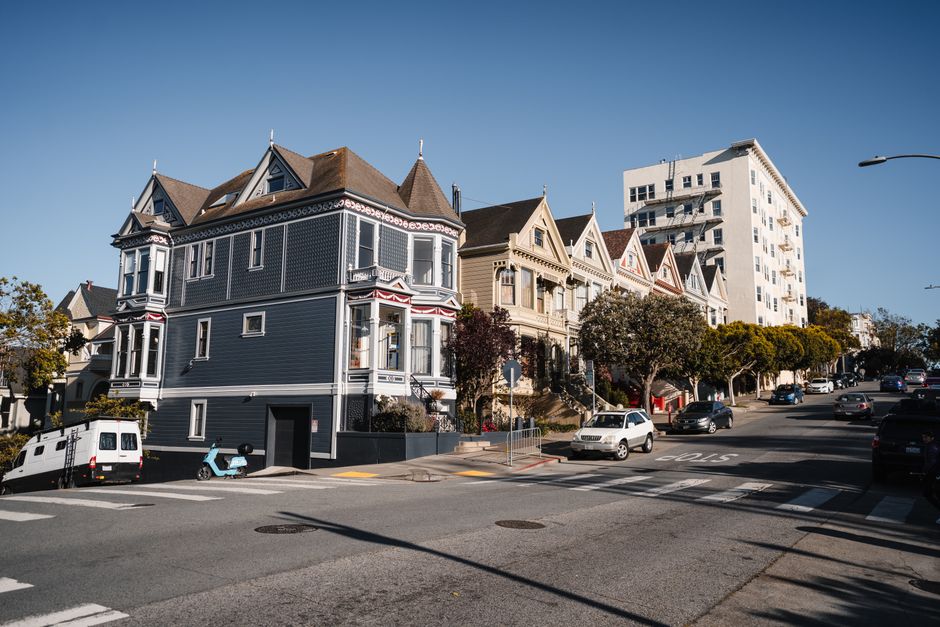
San Francisco's $1.3M median home prices squeeze working families out
New policies are reshaping San Francisco's housing landscape as median prices remain locked at $1.3 million, forcing families to look beyond traditional neighborhoods.
New policies are reshaping San Francisco's housing landscape as median prices remain locked at $1.3 million, forcing families to look beyond traditional neighborhoods.
Listen to this article · 3:51
San Francisco's affordable housing shortage has reached a critical inflection point. While the median home price hovers around $1.3 million—pricing out most working families—a confluence of policy changes, zoning reforms, and demographic shifts is beginning to reshape the market in unexpected ways.
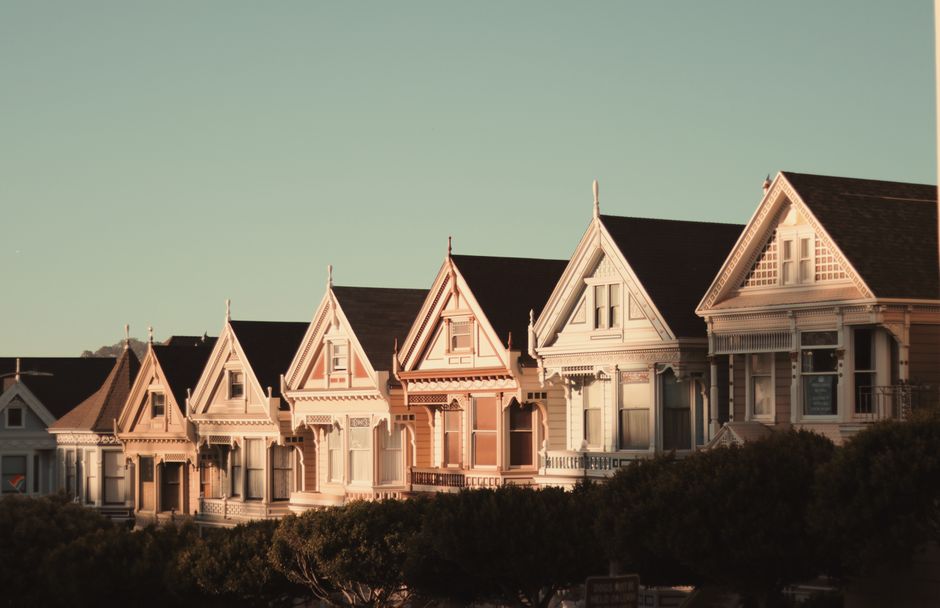
The primary culprit remains supply. San Francisco produced fewer than 5,000 new housing units last year, far below the 25,000 needed annually to stabilize prices. This scarcity has concentrated wealth in established neighborhoods like Pacific Heights and the Marina, where waterfront properties command seven-figure premiums, while simultaneously pushing working professionals toward emerging areas like the Mission and Dogpatch, where renovation-ready Victorians and converted warehouses now regularly exceed $1.2 million.
What's changed recently is the city's approach to solving it. The San Francisco Planning Department's new ministerial approval process for affordable units has accelerated construction timelines, allowing developers to fast-track projects on Van Ness Avenue and along the Embarcadero without lengthy discretionary review. Meanwhile, the elimination of parking minimums in certain neighborhoods has reduced development costs, savings that are trickling down to below-market-rate (BMR) units.
For first-time buyers, the implications are significant. The city's affordable housing lottery system—which allocates roughly 25 percent of new units to households earning 55-120 percent of area median income—remains the primary pathway to ownership below market rates. Last year's lottery winners accessed units starting at $485,000 in the Tenderloin and $650,000 in Mission Bay. But competition is fierce: some lotteries receive over 1,000 applications per unit.
Tech sector return-to-office mandates have also reheated demand in neighborhoods with BART and Caltrain access, pushing prices higher in the Inner Mission and along the Peninsula corridor. This, paradoxically, has made some Bayview and Visitacion Valley properties more attractive to speculative buyers—a pressure the city's Community Land Trust model is designed to mitigate by permanently decoupling land from market appreciation.
Buyers entering the market now should monitor three developments closely: the expansion of the Down Payment Assistance Loan Program, which now covers up to $200,000 for qualifying households; changes to Ellis Act protections affecting rental-to-purchase conversions; and ongoing litigation around the city's affordable housing requirements.
The window remains narrow, but it's becoming clearer: for San Francisco's working families, 2026 represents a genuine turning point. Those ready to navigate the affordable housing pathways have genuine opportunities. Those waiting for prices to fall are likely betting on a demographic shift that may never come.
This article was compiled by AI and screened before publishing. See our editorial standards.
How does this story make you feel?
Spread the word
About this article
Published by The Daily San Francisco
Daily brief
Free, in your inbox before 7am. Weekdays.
More in Property