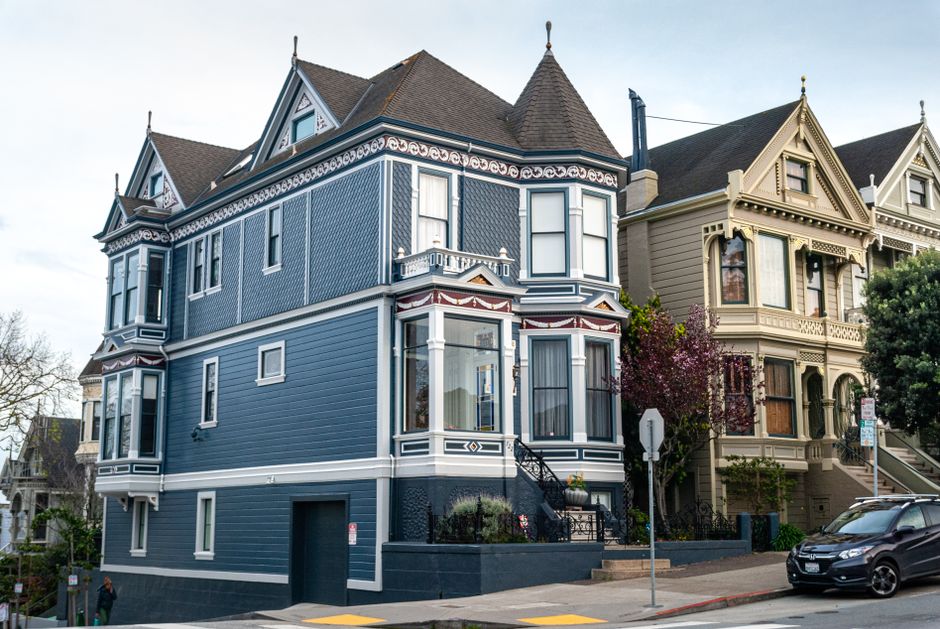
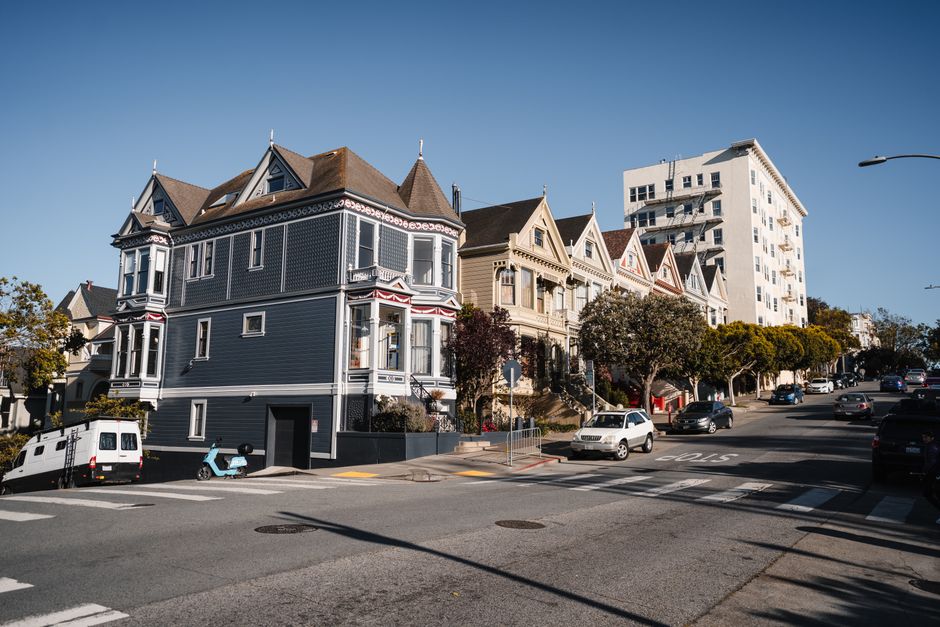
For decades, the Outer Sunset carried a reputation as San Francisco's forgotten corner—a place where fog rolled in relentlessly and younger buyers looked elsewhere. But 2026 has brought a quiet reordering of the city's investment landscape, and the neighbourhoods stretching toward the Pacific are finally capturing serious attention from first-time buyers and seasoned investors alike.
The numbers tell the story. While Pacific Heights and Marina properties continue commanding eight-figure sums, homes along Irving Street and Judah Avenue have gained 18 percent year-over-year, according to recent market data. A two-bedroom, one-bath home near Sunset Boulevard and 42nd Avenue recently sold for $1.15 million—a figure that would barely secure a studio in Pac Heights. For families and remote workers less tethered to downtown office requirements, the equation has shifted dramatically.
"What's changed is the calculus," explains the local sentiment among agents working the corridor. The Outer Sunset now offers something increasingly rare in San Francisco: three-bedroom homes with actual yards, detached garages, and views of the Golden Gate Park's green expanse. The neighbourhood's tree-lined blocks, anchored by community staples like The Booksmith on Irving and emerging café culture around 9th Avenue, have begun attracting young families priced out of Mission or Dogpatch alternatives.
The tech sector's return to in-office mandates hasn't hurt either. While the peninsula and Marin remain traditional tech corridors, SF's own downtown office revival has created renewed demand for accessible residential neighbourhoods with actual commute advantages. The N-Judah light rail connects residents directly to downtown and the Mission in under 30 minutes—a competitive edge that Interior or Western Addition properties lack.
Still, the Outer Sunset remains remarkably affordable by San Francisco standards. Properties in the $1.1 to $1.4 million range still represent genuine value compared to $1.8 million medians just three neighbourhoods east. And unlike previous investment cycles, this movement appears less speculative than organic—driven by genuine lifestyle preference and family space rather than short-term flipping momentum.
The fog, it seems, is finally lifting on an neighbourhood that learned to thrive despite decades of being overlooked. Whether this represents a lasting shift or a temporary reprieve in the city's relentless affordability crisis remains an open question. But for now, the Outer Sunset has stopped being the place buyers settle for. It's becoming the place they choose.
This article was compiled by AI and screened before publishing. See our editorial standards.