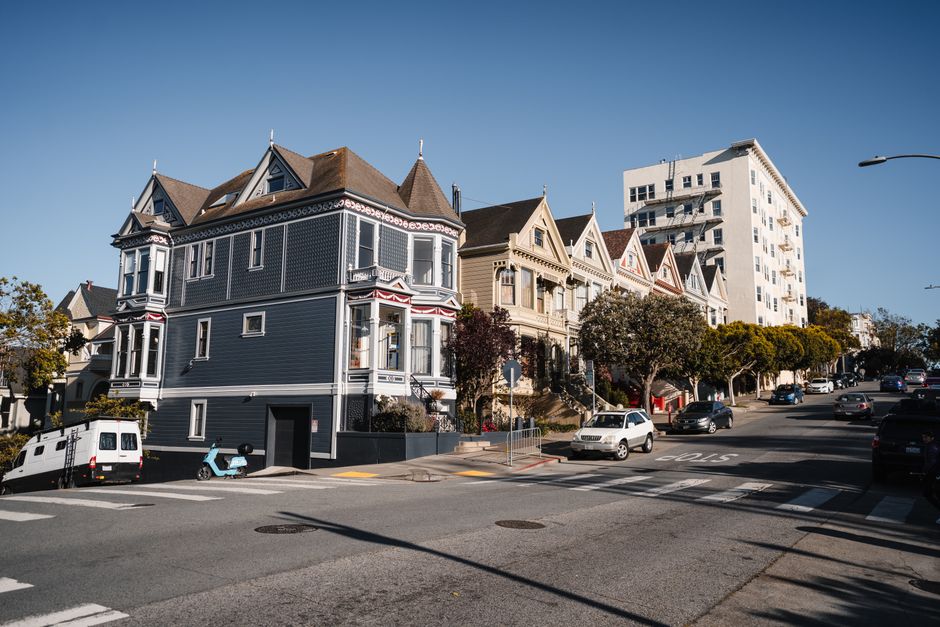
San Francisco's emerging projects reshape neighborhood investment returns across districts.
New projects across Dogpatch and the Mission are forcing landlords to recalculate yields as location premiums shift.
New projects across Dogpatch and the Mission are forcing landlords to recalculate yields as location premiums shift.

Listen to this article · 4:18
The San Francisco investment property market is undergoing a quiet realignment. While Pacific Heights and Marina remain the traditional wealth repositories, savvy landlords are increasingly watching the neighborhoods where cranes are appearing—because new development projects aren't just changing skylines, they're rewriting rental economics.
Consider Dogpatch. Five years ago, this industrial-turned-residential pocket south of the Mission was landlord territory largely defined by older multi-unit buildings and scattered live-work conversions. Today, major mixed-use projects along 20th Street are drawing institutional capital and retail anchors. For existing property holders here, the calculus has shifted dramatically. A modest 1960s apartment building that might have yielded 3.2 percent gross returns two years ago now attracts tenants willing to pay 12-15 percent premiums, thanks to new restaurants, parks, and transit improvements catalyzed by these developments.
The Mission District presents a different puzzle. As new residential projects cluster around Valencia Street and the BART corridor, landlords of older single-family homes are facing pressure—both competitive and regulatory. New buildings meet current seismic and energy codes; older stock doesn't. This is creating a bifurcated market where pre-1970s residential properties are attracting renovation-minded investors, while newer construction captures the premium rental demographic seeking modern amenities.
Data from local real estate platforms shows rental rates in project-adjacent neighborhoods appreciated 8.7 percent year-on-year through mid-2026, compared to 4.9 percent citywide. But this comes with cautionary arithmetic. New development often brings displacement risk and community opposition—factors that can extend timelines and complicate planning approval. For landlords, this means opportunity windows are narrowing.
The broader dynamic centers on infrastructure. When a major project receives entitlements near your property—whether it's residential towers at the waterfront or mixed-use infill along a commercial corridor—property values and rents typically track the development timeline rather than market averages. Landlords near the 181 Fremont project or the reimagined blocks around the Ferry Building have already seen this effect.
The median San Francisco property still hovers around $1.3 million, but micro-neighborhoods are increasingly divergent. A landlord in the Mission could achieve 4.1 percent yields on a property valued at $950,000. That same investor near emerging development nodes might see yields compress to 2.8 percent as values appreciate faster than rental income grows—a classic sign of speculative intensity.
The practical playbook for modern landlords? Track development applications through the Planning Department's website. Proximity to approved projects often outweighs current neighborhood demographics as a predictor of rent growth. But timing matters enormously: buying too early means extended low-yield periods; buying too late means capturing appreciation gains without rental upside.
San Francisco's investment landscape has always rewarded location intelligence. That principle hasn't changed—it's just become geographically more complex.
This article was compiled by AI and screened before publishing. See our editorial standards.
How does this story make you feel?
Spread the word
About this article
Published by The Daily San Francisco
Daily brief
Free, in your inbox before 7am. Weekdays.
More in Property