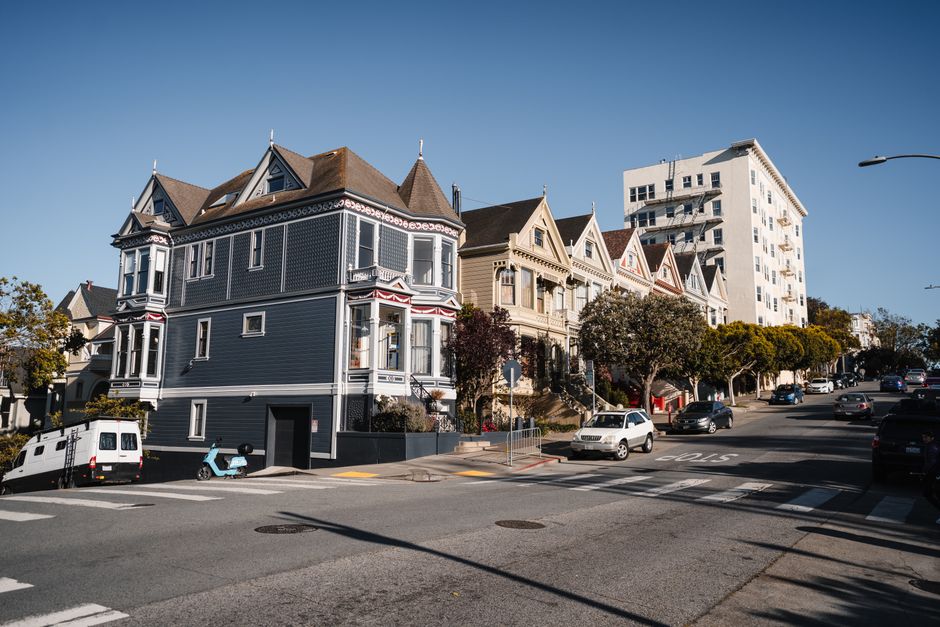
San Francisco Investors Quietly Capture Returns in Overlooked Corridors
Investors bypass hype to find real returns in overlooked neighborhoods where fundamentals—not speculation—drive growth.
Investors bypass hype to find real returns in overlooked neighborhoods where fundamentals—not speculation—drive growth.
Listen to this article · 3:58
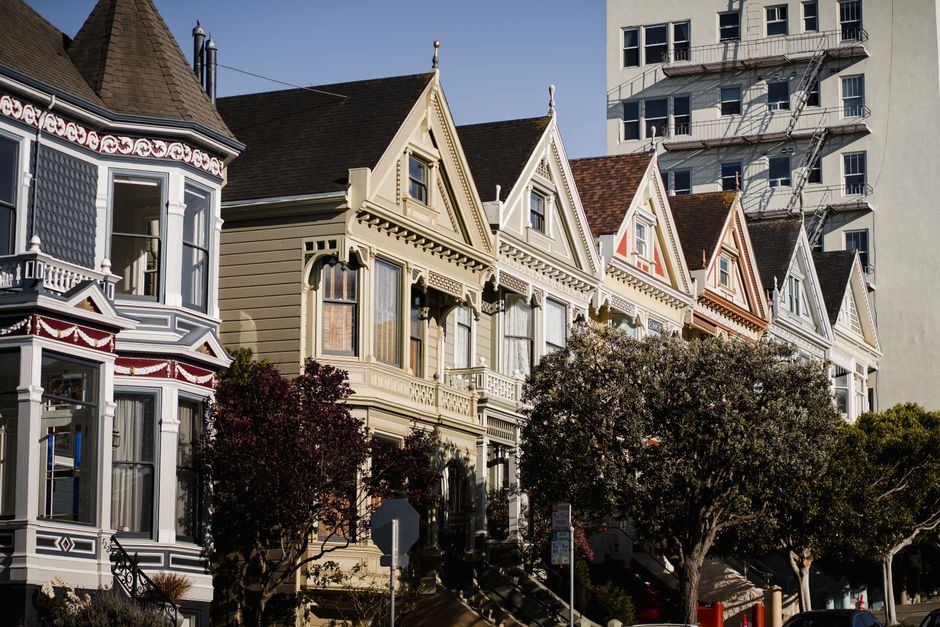
While Pacific Heights remains the postcard neighbourhood and Marina properties command premium prices, savvy investors are reading a different map. The real story playing out across San Francisco isn't about record-breaking headlines at the top end—it's about steady, measurable returns in neighbourhoods where supply constraints and demographic tailwinds are quietly reshaping the investment calculus.
The Mission District offers a case study. Over the past three years, residential properties along Valencia Street and the emerging Outer Mission corridor have seen consistent mid-to-high single-digit annual appreciation, with rental yields hovering around 3.5 to 4 percent—respectable in a market where tech workers still command strong salaries and housing scarcity persists. Unlike Pacific Heights, where properties trade on location prestige and generational wealth, Mission assets move on practical metrics: walkability, transit proximity via BART, and proximity to employment hubs in SoMa and the Financial District.
Dogpatch tells a similar story, though with different mechanics. Once dismissed as industrial remnants, properties near Third Street have attracted both owner-occupiers and investors drawn to the neighbourhood's transformation. A modest two-bedroom near the Minnesota Street Project gallery district that traded for $850,000 in 2019 recently appraised at $1.15 million. That 35 percent appreciation outpaces the city median, yet the neighbourhood remains substantially below Pacific Heights pricing—a gap that suggests the market still perceives upside.
Rental fundamentals matter too. The Tenderloin, historically volatile, has attracted stabilised multifamily investors who've repositioned older stock into managed short-term rentals and supportive housing models. While not suitable for all investors, those with operational expertise are extracting yields that single-family residential markets struggle to match.
What separates these narratives from speculative fever is data discipline. Successful investors are tracking absorption rates—how quickly new units lease—and monitoring migration patterns of the returning tech workforce. San Francisco's condo market, dormant during remote-work peaks, is showing renewed velocity as companies mandate return-to-office protocols. This directly feeds yields for smaller units in walkable neighbourhoods.
The median home price holding at $1.3 million masks important granularity. Properties between $900,000 and $1.4 million—roughly 40 percent of the active market—show the strongest transaction volume and most predictable appreciation. Beyond that threshold, appreciation slows and volatility increases, suggesting the market's true conviction lies in the middle band.
For investors, the lesson is mechanical: returns come from neighbourhoods where constraints are real, where demographics support demand, and where prices haven't yet captured the underlying fundamentals. Pacific Heights already has. The Mission and Dogpatch, arguably, still do.
This article was compiled by AI and screened before publishing. See our editorial standards.
How does this story make you feel?
Spread the word
About this article
Published by The Daily San Francisco
Daily brief
Free, in your inbox before 7am. Weekdays.
More in Property