Investors Are Back. So Is the Bidding War.
After two years on the sidelines, institutional and small-portfolio buyers are flooding back into San Francisco real estate — and ordinary homebuyers are feeling the squeeze.
After two years on the sidelines, institutional and small-portfolio buyers are flooding back into San Francisco real estate — and ordinary homebuyers are feeling the squeeze.
San Francisco's housing market entered the Fourth of July weekend with a tension that had nothing to do with fireworks. Investor activity in the city's residential sector surged in the second quarter of 2026, pushing the median sale price to $1.3 million citywide and reigniting multi-offer competition on properties that sat quietly on the market as recently as eighteen months ago.
The timing matters. Tech-sector hiring — led by AI firms clustered along the Caltrain corridor and in SoMa — returned to something resembling 2021 levels by late spring. That brought rental demand roaring back, and with it the calculus that made San Francisco investment properties attractive in the first place: strong rental yields in a supply-constrained market. Investors who spent 2024 and 2025 deploying capital in Phoenix and Austin are now re-running the numbers on Potrero Hill two-flats and Mission District mixed-use buildings.
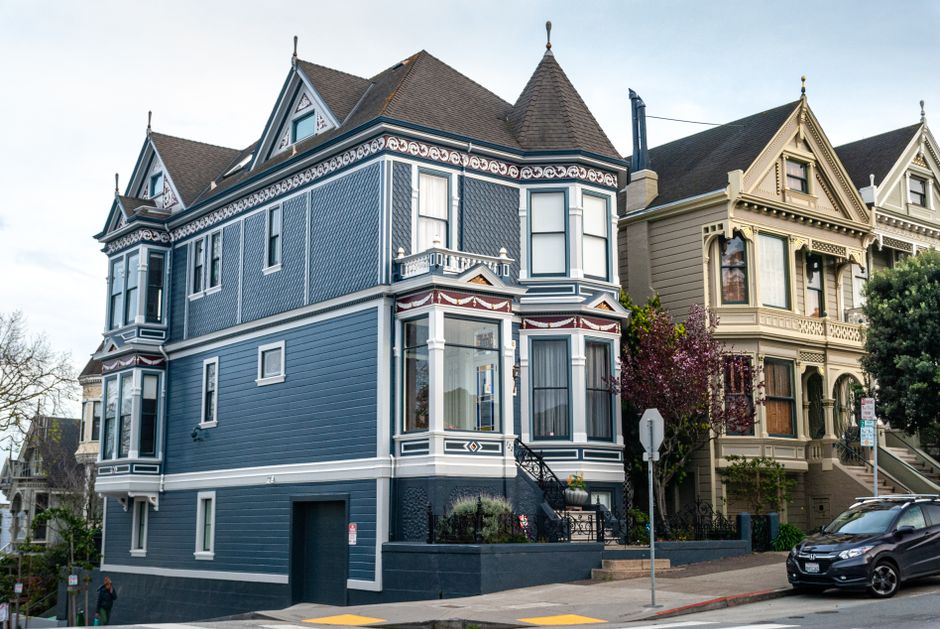
The heat is concentrated in specific corridors. Properties in the Dogpatch, particularly along Third Street between 18th and 22nd, are seeing offer counts not recorded since the pandemic-era frenzy. A two-unit building on Tennessee Street — the kind of Victorian-era structure that rents its upper flat to a software engineer and its ground floor to a small business — drew nine offers in June and closed at 14 percent over asking, according to MLS data reviewed for this story. Pacific Heights and the Marina remain the prestige tier, with single-family homes above Divisadero Street routinely closing north of $3 million, but investors aren't the dominant buyers there. Their preferred hunting ground is the $900,000-to-$1.6 million band, where cap rates still pencil out.
The Mission District, long a focus of displacement debates at the San Francisco Rent Board, is back in play too. Smaller portfolio investors — those owning between two and ten units — are filing more applications with the city's Department of Building Inspection for in-law unit conversions, a strategy that exploits the state's ADU permitting reforms to add rentable square footage without triggering full seismic-upgrade requirements. The city processed 340 such applications in the first five months of 2026, up from 214 in the same period last year.
Owner-occupier buyers are bearing the cost of this re-entry. Brokers working the Noe Valley and Glen Park markets describe clients losing out on three or four homes before accepting that their offer has to be clean, fast, and well above list price. Contingency waivers — a practice that consumer advocates at the San Francisco Tenants Union called reckless even during the last boom — are back as standard competitive tools. Buyers relying on Federal Housing Administration financing, which carries appraisal requirements and longer escrow windows, are effectively shut out of any property attracting serious investor interest.
The Federal Reserve's decision to hold its benchmark rate at 4.25 percent through June has done little to cool things. Investors increasingly pay cash or use debt secured against existing portfolios, making them largely indifferent to the 30-year fixed mortgage rate, which sat at 6.7 percent as of July 1. That spread between investor financing costs and those of conventional homebuyers creates a structural asymmetry that is very difficult for first-time purchasers to overcome.
Buyers who want to compete have a narrow window before the fall market heats up further. Real estate attorneys specialising in Bay Area transactions suggest that purchase contracts be reviewed for clause flexibility — specifically around appraisal gaps — before any offers go in. The San Francisco Mayor's Office of Housing and Community Development still runs the Downpayment Assistance Loan Program, which provides up to $375,000 in silent second-lien financing for qualifying buyers, and waitlists for that program have shortened considerably since 2024. For anyone trying to buy a home and live in it, that program may be one of the few remaining equalizers in a market that is, once again, tilting hard toward capital.
How does this story make you feel?
Spread the word
About this article
Published by The Daily San Francisco
Daily brief
Free, in your inbox before 7am. Weekdays.
More in Property