San Francisco's residential auction clearance rate climbed to 68 percent in June 2026, up from 54 percent in January, according to data compiled by the San Francisco Association of Realtors. That six-month swing is the sharpest consecutive improvement the local market has recorded since the post-pandemic frenzy of 2021, and it's landing at a moment when the city's overall inventory remains stubbornly thin.
Clearance rates — the share of properties that sell at or before auction close without being passed in or withdrawn — function as one of the most unfiltered gauges of supply-demand pressure available to analysts. When they rise, it generally means buyers are competing harder for fewer homes. When they fall, sellers start making concessions. At 68 percent, San Francisco is firmly in sellers' territory, and the number matters because it's moving fast, not just sitting high.
Where the Competition Is Hottest
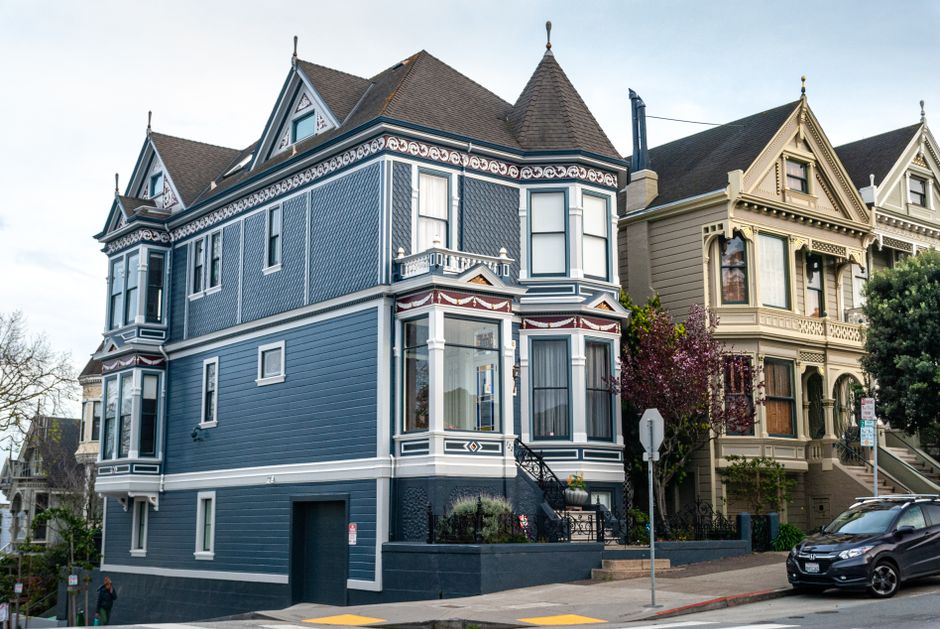
The heat is not evenly distributed. Pacific Heights and the Marina District, long the city's benchmark luxury corridors, are recording some of the cleanest auction results. A three-bedroom Victorian on Broadway Street in Pacific Heights cleared auction at $3.1 million in late June — 11 percent over its reserve — after drawing nine registered bidders, a figure that would have seemed optimistic as recently as eighteen months ago. Meanwhile, Dogpatch, which has absorbed a steady wave of tech-sector relocations since Salesforce and several mid-size AI firms expanded their Caltrain-adjacent footprints, posted a clearance rate of 72 percent for the quarter — the highest of any emerging neighborhood tracked by the San Francisco MLS.
The Mission District is a more complicated picture. Clearance rates there sit at 61 percent, respectable but below the city median. Properties priced above $1.6 million are moving; those under $900,000 are drawing intense competition but occasionally stalling when financing contingencies complicate the auction format. Buyers in that price band are often stretching and sometimes can't complete.
The city-wide median sale price currently holds at $1.3 million across all residential categories, but that figure masks significant divergence. Single-family homes in Noe Valley are routinely trading between $1.9 million and $2.4 million. The condo market, which spent much of 2023 and 2024 in the doldrums, has recovered enough that two-bedroom units in Rincon Hill are clearing at or above ask roughly six times out of ten.
What's Driving the Numbers
Three forces are converging. First, new listings in June 2026 were down 14 percent compared with June 2025, per San Francisco Association of Realtors data, meaning fewer properties are entering the competitive pool. Second, returning tech-sector confidence — anchored in part by hiring expansions along the Market Street corridor and at the Mission Bay campus cluster — has pulled more qualified buyers back into the market after a two-year hesitation. Third, the Federal Reserve held rates steady at its June 11 meeting, giving buyers enough certainty to commit without waiting for another cut.
Auction formats themselves have been growing more common in San Francisco since Pacific Union's 2024 partnership with Concierge Auctions expanded its Bay Area calendar. More sellers are choosing transparent competitive bidding over the traditional offer-deadline model, partly because it compresses the timeline and partly because a public clearance signals market legitimacy to future buyers in the same building or block.
For anyone who sat out the last eighteen months expecting prices to soften further, the June clearance data is a useful recalibration. Properties are not hanging around. The average days-on-market for homes that cleared auction in June was nine days — down from twenty-two in January. Buyers serious about closing before fall should treat pre-approval as non-negotiable and be prepared to move within 48 hours of a listing going active. Sellers, on the other hand, have more leverage than they may realize, but overpricing a reserve can still kill momentum: the 32 percent of properties that did not clear in June mostly shared one trait — reserves set more than 8 percent above recent comparable sales on Valencia Street and in the Inner Sunset.