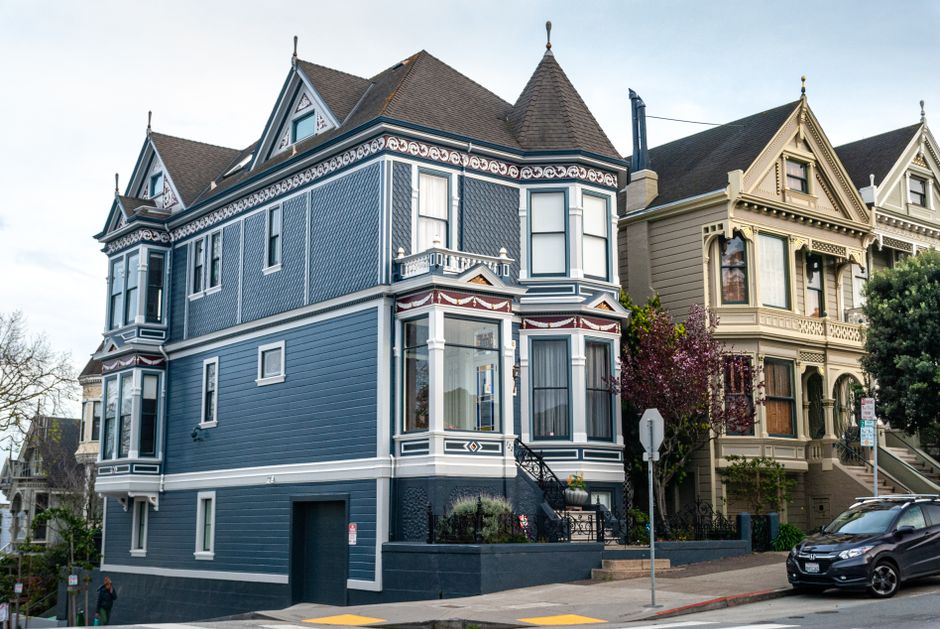
The math is brutal. At San Francisco's current median home price of $1.3 million, a buyer putting down 20 percent still faces a monthly mortgage payment north of $6,800 — before property taxes, HOA fees, or the first broken appliance. For a growing share of the city's workforce, the question is no longer when to buy. It's whether renting, done right, can substitute for ownership altogether.
That shift is driving serious money into build-to-rent development across the Bay Area. Unlike older apartment stock converted from condos or carved out of Victorian flats, build-to-rent projects are conceived from the ground up for long-term tenancy. Developers bake in the amenities, the lease flexibility, and the management infrastructure that individual landlords rarely provide. The model has reshaped rental markets in cities like Tokyo and Berlin, and San Francisco's version is now arriving in neighborhoods where the for-sale market has effectively priced out anyone outside finance or late-stage tech.
What Tenants Actually Get
Two projects illustrate the shift most clearly. The first is a 312-unit build-to-rent tower on 16th Street in the Mission, delivered in early 2026 by a joint venture involving Carmel Partners, which has operated in the San Francisco market since the mid-2000s. Units range from studios at $2,850 a month to two-bedrooms topping $4,600. The building offers professional on-site management, in-unit washers and dryers, a co-working floor on the fourth level, and — critically — leases with built-in renewal protections that go beyond the city's standard rent ordinance requirements. The second is a 187-unit development near Illinois Street in Dogpatch, completed last November by Related California, which is also behind the large-scale affordable project at 1950 Mission. The Dogpatch building targets renters who work in the biotech corridor along Third Street and want walkability to Caltrain without paying Pacific Heights prices.
The difference between these buildings and a standard apartment rental is structural. Because the developer never intends to sell individual units, there's no incentive to cut corners on soundproofing, appliance quality, or common areas. The revenue model depends on retention: keeping tenants for three, five, even ten years. That changes what gets built and how it gets managed. Amenity packages in newer build-to-rent properties in San Francisco now routinely include dedicated package rooms with refrigerated storage, EV charging in the garage, and professional concierge services. These aren't luxury upsells — they're retention tools.
The Affordability Calculation
Rent is still not cheap. San Francisco's average asking rent for a one-bedroom sits at approximately $3,100 a month as of the second quarter of 2026, according to data tracked by Apartment List. But put that against the $6,800-plus monthly cost of servicing a median-priced mortgage, and the gap matters. A renter in the Dogpatch build-to-rent building paying $3,400 a month for a one-bedroom with parking is spending roughly half what a buyer of a comparable condo on the same block would pay, once carrying costs are included. The renter also retains liquidity, avoids the $25,000 to $40,000 in typical San Francisco closing costs, and can exit on 30 days' notice if the city's economic climate shifts again the way it did between 2020 and 2022.
San Francisco's Office of Housing and Community Development has acknowledged the build-to-rent trend in its 2025-2030 Housing Element update, classifying such projects as market-rate but flagging them as critical to overall rental supply targets. The city needs roughly 82,000 new units by 2031 under state mandate. Build-to-rent can deliver density faster than for-sale condo towers because developers don't wait on individual unit closings to recoup capital.
For renters weighing their next move, the practical advice is straightforward: before signing any lease in a newer building, ask specifically whether it was built as rental or converted from a condo project. Ask for the management company's tenant-retention statistics. And read the renewal terms before the first lease expires, not during. The best build-to-rent operators in this city will tell you their vacancy rate without being asked. That number — currently running between 4 and 6 percent in the better-managed buildings — says more about whether a building is worth living in than any amenity list ever will.